




The Future of Energy: How AI and Smart Meter Integration Is Reshaping the Grid

Energy systems are undergoing a quiet revolution. It's not happening at a single power plant or through one dramatic policy shift — it's building steadily inside millions of homes and businesses, through devices most people barely think about: smart meters. When you layer artificial intelligence on top of the data these meters generate, the result is something genuinely new: a grid that can see, think, and adapt in real time.

What Smart Meters Do Today

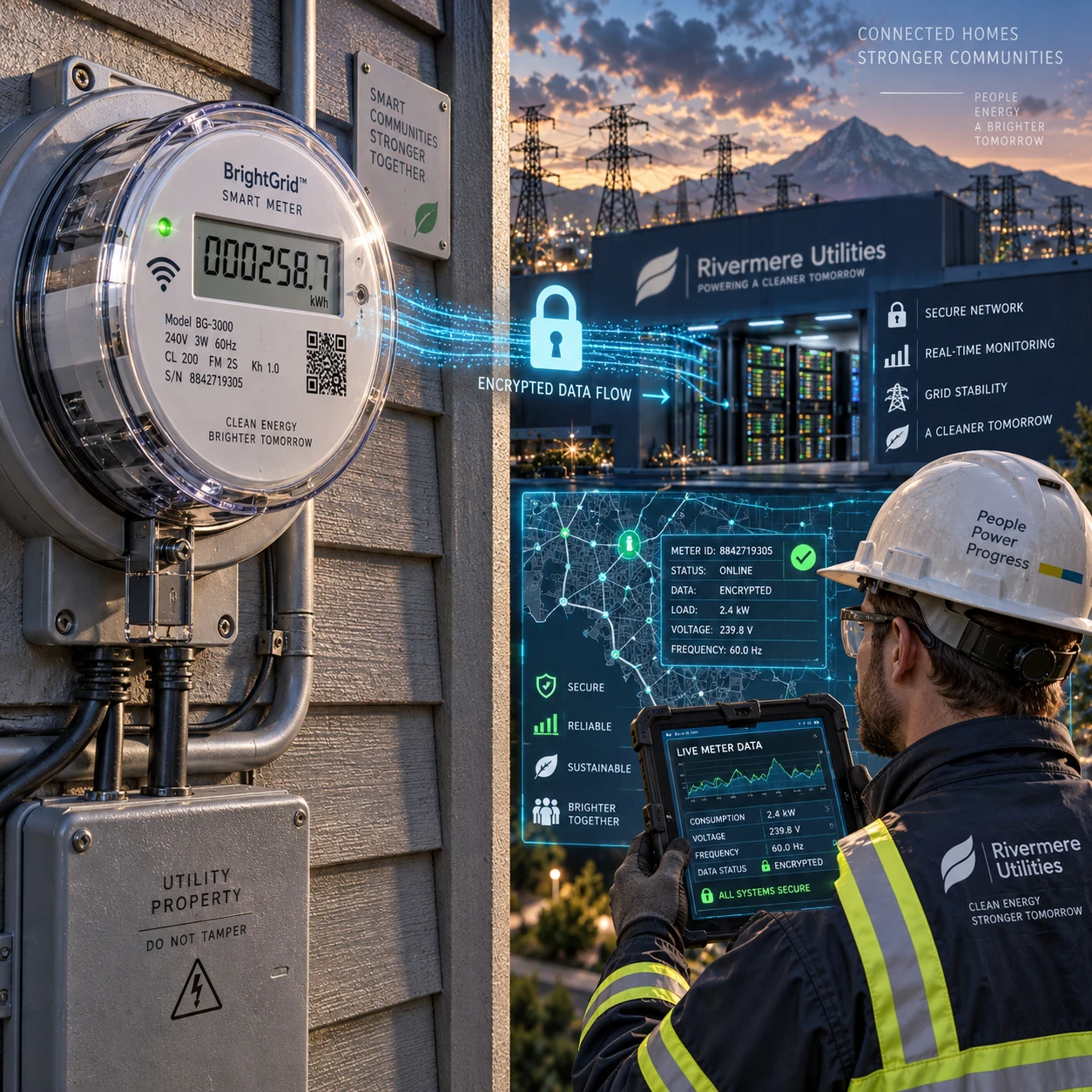
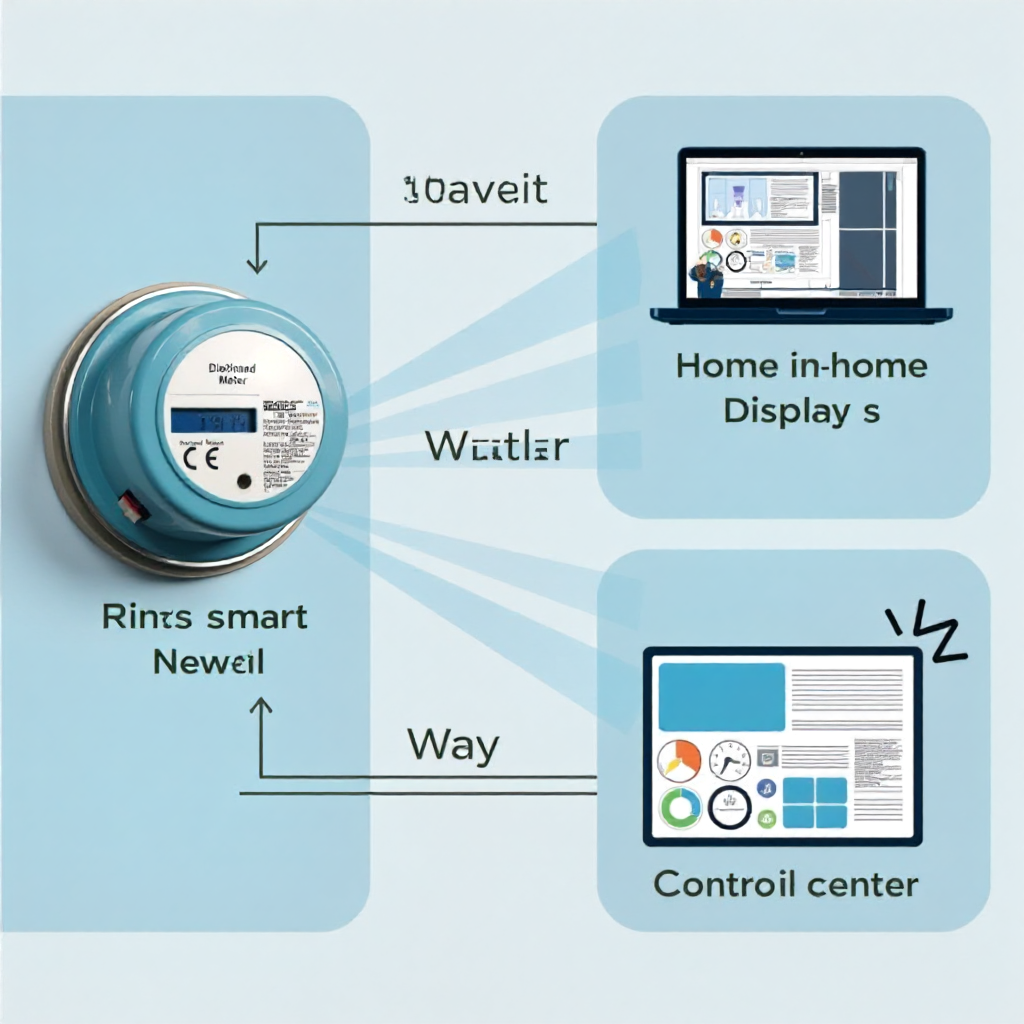
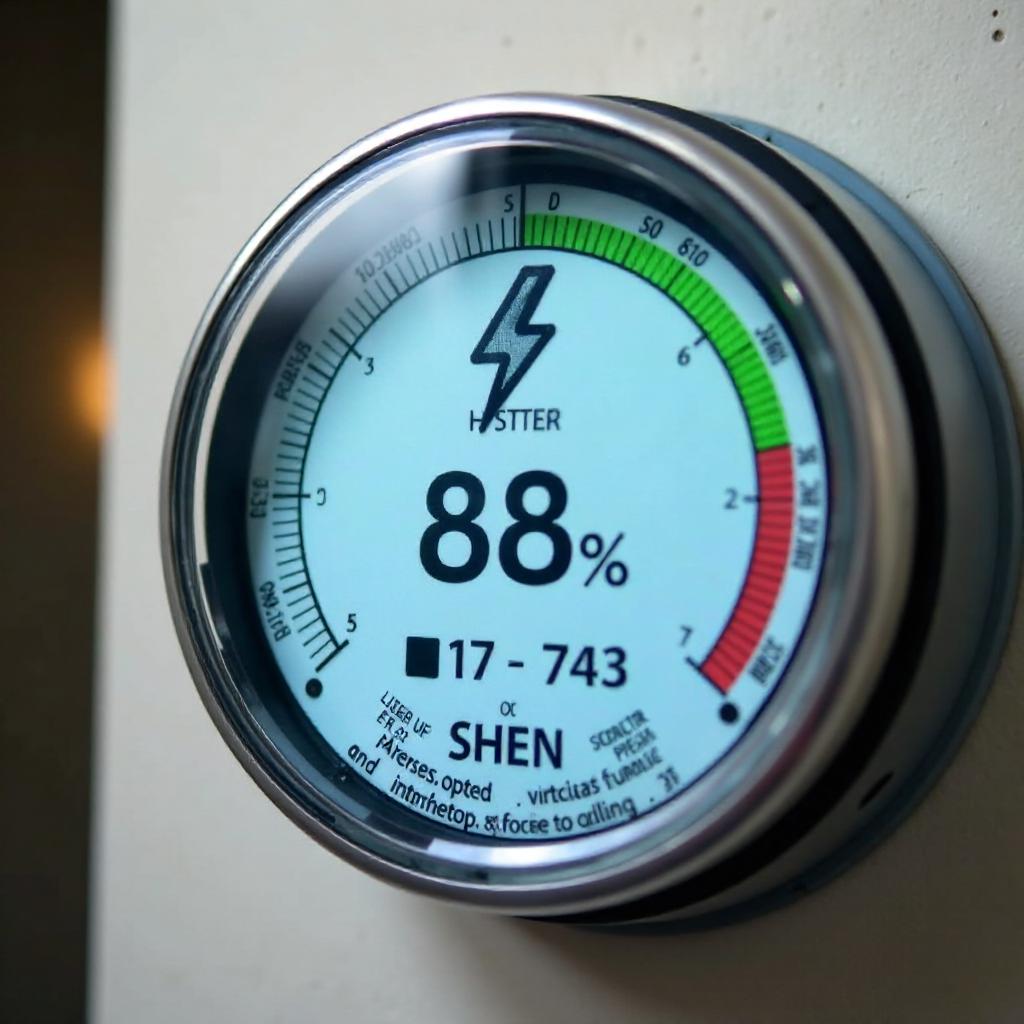
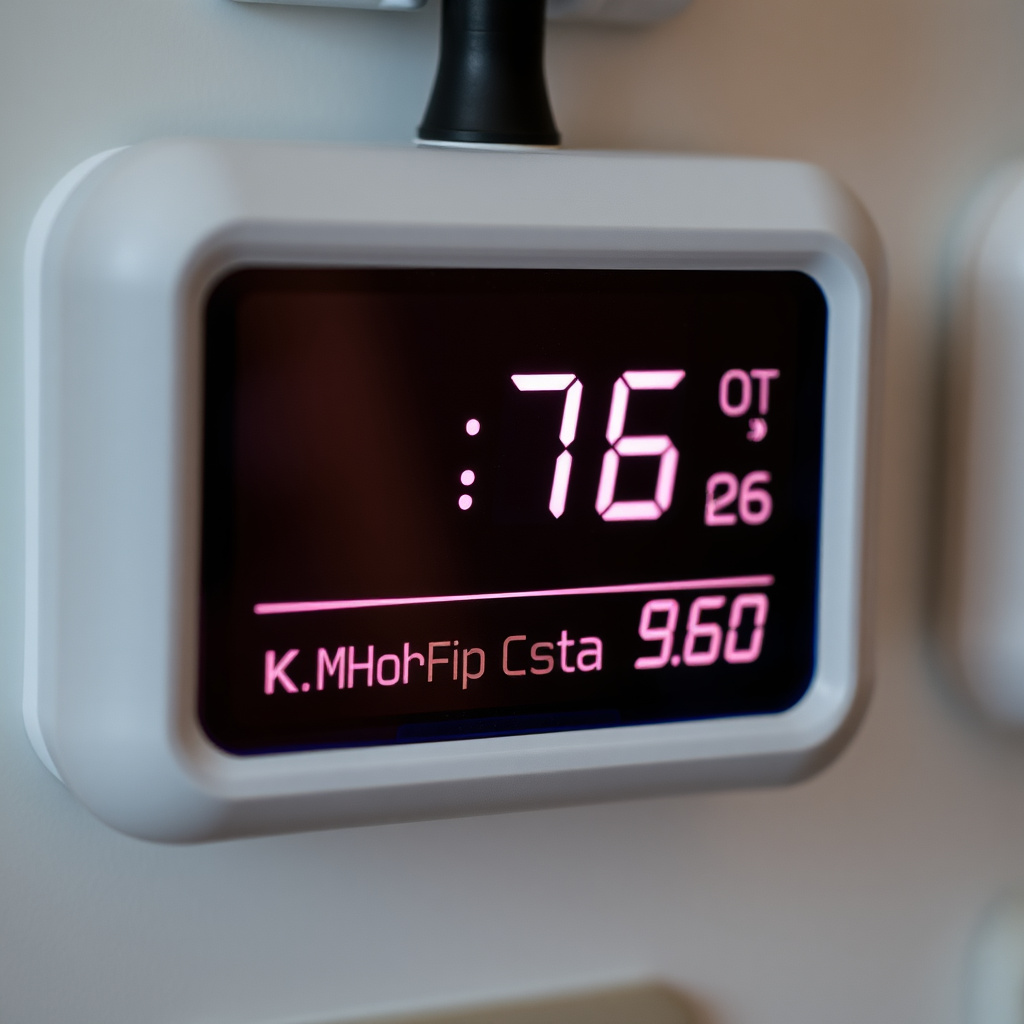
Smart meters are digital devices that record energy consumption at frequent intervals — typically every 15 to 30 minutes — and transmit that data automatically to utilities. Unlike traditional analog meters that required manual readings once a month, smart meters create a continuous, two-way communication channel between the consumer's premises and the energy provider.

Today, over 1 billion smart meters are deployed globally, with the United States, Europe, and China leading adoption. They give utilities visibility into real-time energy consumption data across their entire network, enabling faster fault detection, accurate billing, and a clearer picture of demand at any given moment.

But here's the limitation: data alone isn't intelligence. A smart meter generates enormous volumes of usage information, and without sophisticated tools to interpret it, much of that value goes unused. That's exactly where AI enters.

Where AI Enters the Picture

AI adds an analytical layer on top of smart meter data streams, transforming raw numbers into actionable decisions. Specifically, machine learning algorithms can identify patterns, detect anomalies, and generate predictions at a scale and speed no human analyst could match.

Consider what this looks like in practice. A utility receives consumption readings from 500,000 meters every 30 minutes. Machine learning models trained on this data can identify which households are likely to increase usage in the next two hours, flag a meter showing irregular spikes that suggest a fault or energy theft, and automatically adjust grid load distribution — all without human intervention.

The key functions AI applies to smart meter data include:

  • Pattern recognition — identifying recurring usage behaviors across time, season, and customer segment
  • Anomaly detection — flagging unusual consumption that signals equipment failure, theft, or safety issues
  • Load forecasting — predicting future demand based on historical data, weather inputs, and behavioral signals
  • Automated optimization — adjusting grid operations dynamically based on real-time and predicted conditions

None of these functions are theoretical. Utilities in the UK, Germany, and Australia are already running AI-driven metering platforms at scale.

Predictive Analytics and Demand Forecasting

Predictive analytics uses historical and real-time meter data to anticipate future consumption — reducing grid strain before it happens rather than reacting after the fact. This is one of the most commercially significant applications of AI in energy today.

Traditional demand forecasting relied on broad seasonal models and historical averages. Those methods work reasonably well under stable conditions but fail when demand shifts unexpectedly — during a heatwave, a major sporting event, or a sudden industrial shutdown. AI-driven demand forecasting incorporates dozens of variables simultaneously: temperature forecasts, time-of-day patterns, local events, even social behavior signals.

The accuracy gains are measurable. Studies from grid operators in the EU have shown that machine learning-based load forecasting can reduce prediction errors by 20–40% compared to conventional statistical models. For a large utility, that margin translates directly into lower reserve capacity costs and fewer emergency interventions on the network.

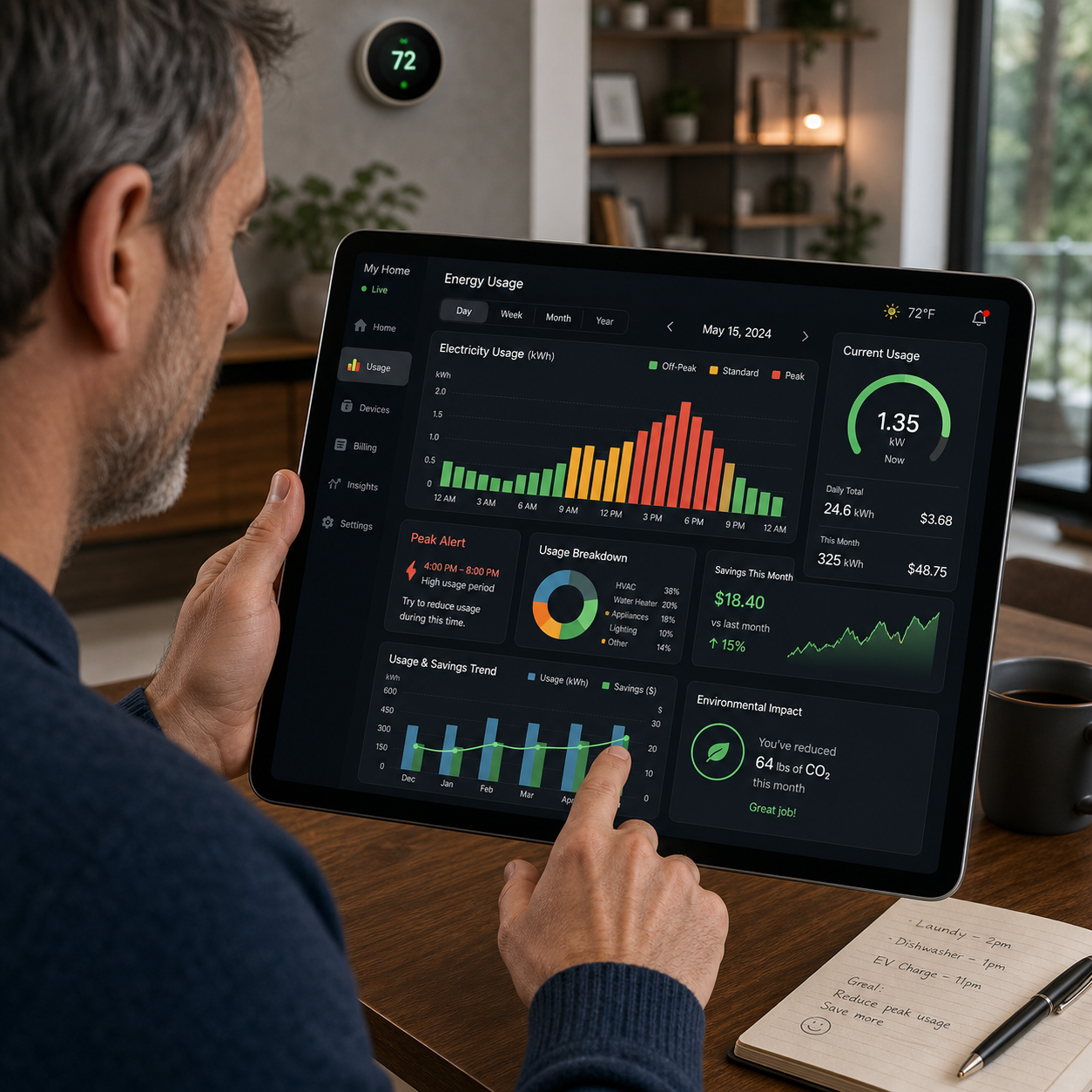
For consumers, predictive analytics surfaces in the form of personalized energy insights — alerts that say "your usage is trending 15% higher than last month" or "you could save by shifting your dishwasher to 10pm." These aren't generic tips; they're generated from that specific household's data patterns.

Enabling Smarter Demand Response

AI-driven smart meters help utilities and consumers automatically shift or reduce energy usage during peak periods, reducing stress on the grid without requiring anyone to flip a switch manually. This is the core promise of intelligent demand response.

Conventional demand response programs asked customers to voluntarily cut usage when the utility sent an alert. Participation rates were low, timing was imprecise, and the burden fell entirely on the consumer. AI changes the dynamic fundamentally.

With AI-integrated smart meters, demand response can be automated and targeted. The system identifies which customers have flexible loads — EV chargers, water heaters, HVAC systems — and coordinates small adjustments across thousands of households simultaneously. Each individual change is barely noticeable; the aggregate effect on grid stability is significant.

Utilities running AI-enabled demand response programs have reported peak load reductions of 10–15% during critical periods. That's capacity they don't need to build, and carbon emissions they don't need to generate. For consumers enrolled in dynamic pricing programs, the same technology can automatically shift consumption to cheaper, lower-carbon windows — reducing bills without requiring active management.

Accelerating Renewable Energy Integration

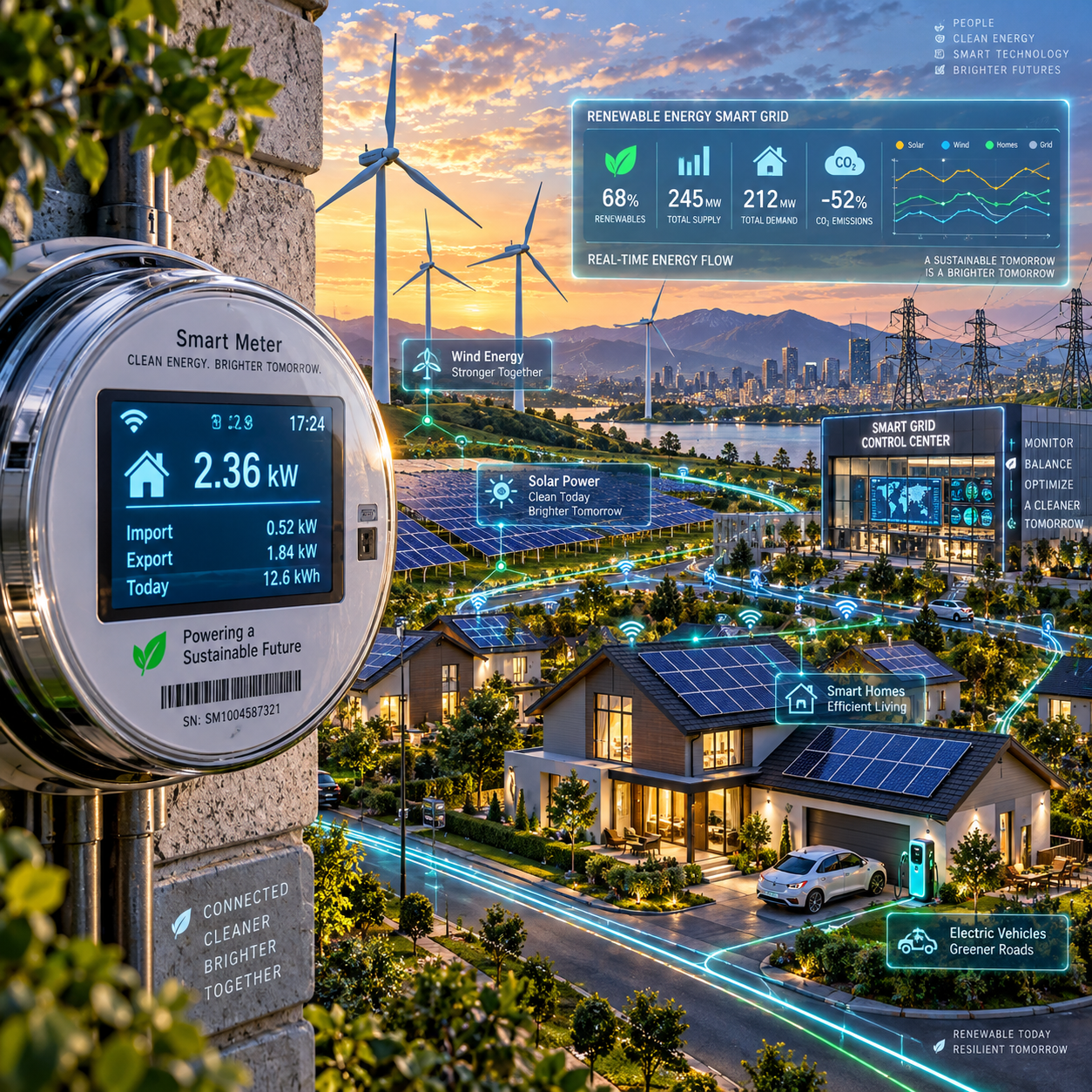
AI-smart meter systems help balance intermittent renewable sources by anticipating supply and demand fluctuations before they create instability. This capability is becoming central to the global energy transition.

Solar and wind generation are inherently variable. A cloud passing over a solar farm or a drop in wind speed can reduce output within minutes. Traditional grids managed this with dispatchable fossil fuel plants that could ramp up quickly. As renewable energy integration deepens, that buffer shrinks — and the grid needs smarter tools to compensate.

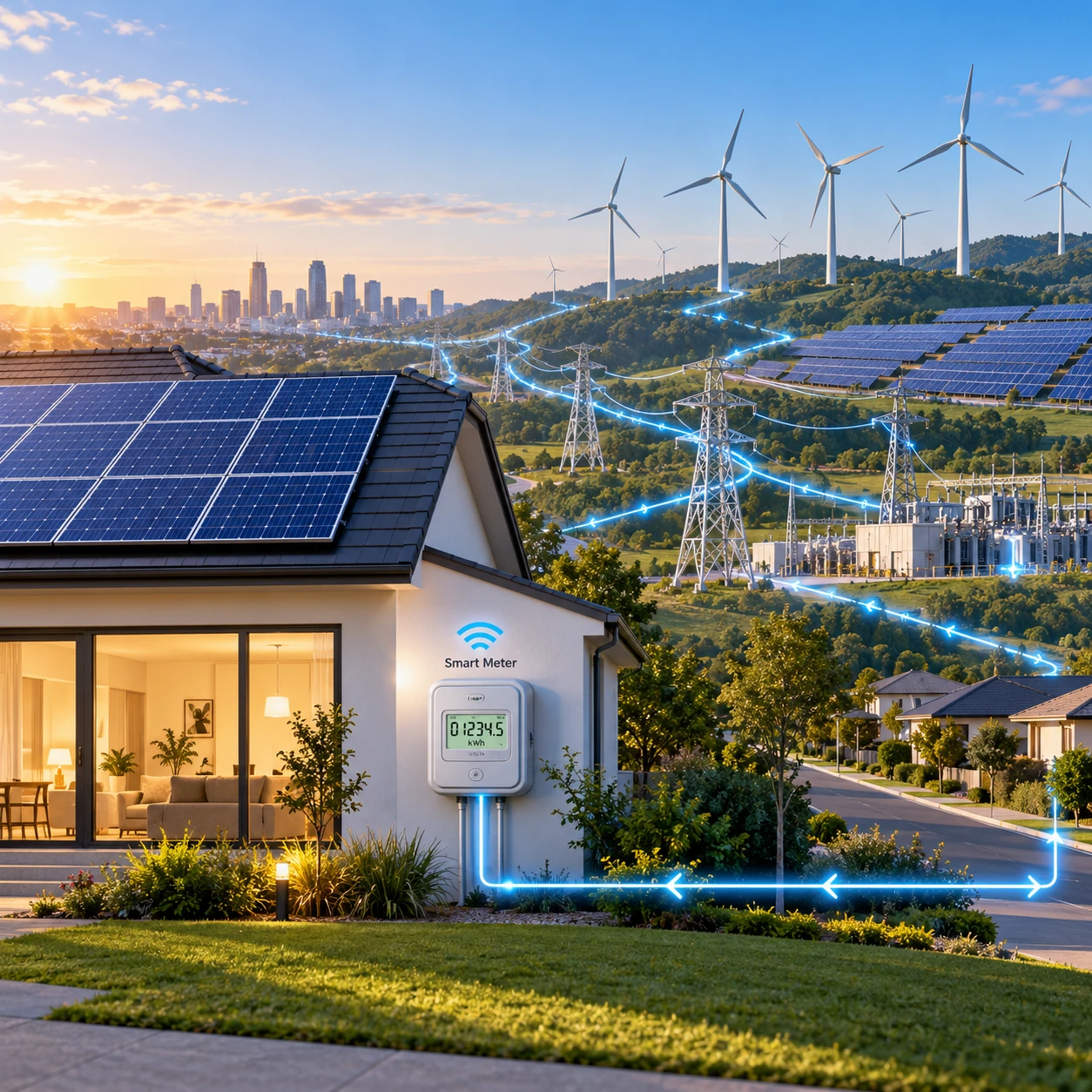
AI-integrated smart meters contribute on both sides of the equation. On the supply side, they feed real-time consumption data into grid management systems that can anticipate demand shifts and coordinate distributed generation assets — including rooftop solar, battery storage, and vehicle-to-grid systems. On the demand side, they enable the kind of flexible, automated load management described above.

The result is a smart grid that can absorb higher proportions of renewable generation without sacrificing reliability. The International Energy Agency has noted that advanced metering infrastructure combined with AI optimization is a prerequisite for grids targeting 60–80% renewable penetration. That's not a distant goal — several European grids are already operating at those levels on favorable days.

Benefits for Consumers and Utilities

The practical value of AI and smart meter integration divides clearly between two groups, though the interests often align more than they conflict.

For utilities and energy providers, the operational benefits are substantial:

  • Reduced outage duration through faster fault detection and automated rerouting
  • Lower capital expenditure by deferring infrastructure upgrades through demand optimization
  • Improved revenue protection through AI-powered detection of meter tampering and energy theft
  • Better regulatory compliance as real-time data supports accurate emissions reporting

For households, the benefits are more personal but equally real. Consumers with access to AI-driven energy insights typically reduce consumption by 5–15% within the first year, according to data from smart metering pilots in the UK and Scandinavia. That's partly behavioral — people respond to clear information — and partly automated, through smart devices that act on the meter's signals.

The broader sustainability impact compounds these individual gains. When millions of households and businesses are optimizing simultaneously, guided by AI working across the entire network, the aggregate reduction in peak demand and carbon intensity becomes a meaningful contribution to decarbonization goals.

Challenges and the Road Ahead

Deploying AI-integrated smart metering at scale involves real obstacles, and honest assessment requires acknowledging them alongside the benefits.

Data privacy is the most frequently cited concern. Smart meters with AI generate detailed profiles of household behavior — when people wake up, when they're home, what appliances they use. That data is valuable for optimization, but it also creates exposure if mishandled. Regulatory frameworks like GDPR in Europe set boundaries, but enforcement and consumer trust remain works in progress.

Infrastructure requirements are also significant. Many existing grid systems weren't designed for bidirectional data flows at the scale AI requires. Upgrading communication networks, data processing capacity, and cybersecurity architecture is expensive and takes time. Smaller utilities in less developed markets face particular challenges here.

Looking ahead, the near-term developments most likely to reshape the landscape include:

  • Edge AI processing — running machine learning models directly on the meter device rather than in the cloud, reducing latency and improving privacy
  • Integration with vehicle-to-grid systems as EV adoption accelerates
  • Expansion of AI-driven peer-to-peer energy trading in local microgrids
  • Tighter coupling between smart meters and building automation systems

The trajectory is clear, even if the timeline varies by market. AI and smart meter integration isn't a speculative future — it's an infrastructure transition already underway, with the pace of deployment accelerating as costs fall and capabilities mature.

Frequently Asked Questions

What is the difference between a standard smart meter and an AI-enabled smart meter?

A standard smart meter collects and transmits usage data automatically. An AI-enabled smart meter — or a smart meter connected to an AI analytics platform — goes further by interpreting that data: identifying patterns, predicting future consumption, and triggering automated responses. The hardware may be similar; the intelligence lives in the software layer processing the data stream.

How does AI help reduce energy bills for homeowners?

AI analyzes your specific consumption patterns and identifies opportunities to shift usage to cheaper time periods, flags appliances running inefficiently, and — in homes with smart devices — can automate adjustments without requiring you to act manually. Typical savings range from 5–15% annually, depending on how actively the system is used and whether dynamic pricing is available.

Can smart meters with AI support renewable energy at home, such as solar panels?

Yes. AI-integrated smart meters can track solar generation alongside household consumption, optimize when to use stored energy versus drawing from the grid, and even coordinate with battery systems to maximize self-consumption. As the IEA notes, this kind of distributed intelligence is essential for households to function as active participants in the energy system rather than passive consumers.

What data do AI-integrated smart meters collect, and is it secure?

These systems typically collect consumption readings at 15–30 minute intervals, voltage and power quality data, and in some cases appliance-level usage through disaggregation algorithms. Security standards vary by region, but reputable deployments use end-to-end encryption and anonymization protocols. The main risk isn't the meter itself but the data infrastructure around it — which is why regulatory oversight matters.

How soon will AI and smart meter integration become standard for most households?

In markets with strong smart meter rollout — the UK, most of Western Europe, parts of the US — AI-driven analytics are already available to tens of millions of households. Full integration, where AI actively manages consumption automatically, will likely become mainstream within 5–10 years as infrastructure matures and costs continue to fall. Developing markets will take longer, but the gap is narrowing.

{{HOMEPAGE_LINKS}}