


Traditional vs. Advanced Smart Meters: What\'s the Difference and Which One Do You Need?

What Is a Smart Meter? A Quick Baseline

A smart meter is an electronic device that records energy consumption and communicates that data to the utility provider automatically — replacing the need for manual meter readings. But here's where many people get confused: not all smart meters are equally "smart."

The word "smart" has been applied to a broad range of metering technology spanning nearly two decades. A meter installed in 2008 and one installed in 2024 may both carry the label, yet their capabilities differ dramatically. Understanding that distinction is the foundation for everything that follows in this article.

The two main generations are traditional smart meters (often called first-generation or AMR meters) and advanced smart meters built on AMI — Advanced Metering Infrastructure. The gap between them isn't just technical; it has real consequences for how you understand and manage your energy use.

How Traditional Smart Meters Work

Traditional smart meters use one-way data transmission to send consumption readings to the utility, typically on a scheduled basis rather than continuously. This technology, known as Automatic Meter Reading (AMR), was a significant step forward from manual reads — but it still operates largely on the utility's terms, not the consumer's.

In practice, an AMR meter records your total electricity or gas usage and periodically transmits that figure — often daily or even less frequently — to a receiver operated by the utility company. The data flows in one direction only: from your meter outward. The utility can collect readings remotely, but it cannot send commands back to the meter.

From a consumer perspective, this means limited visibility. You typically see your usage summarized on a monthly bill, with no granular breakdown of when you used energy or how your consumption patterns shift throughout the day. There's no in-home display compatibility in most first-generation deployments, and features like remote disconnect or time-of-use tariff support are generally absent.

These meters were a practical upgrade for utilities — reducing truck rolls and estimated bills — but they didn't fundamentally change the consumer's relationship with energy data.

How Advanced Smart Meters Work

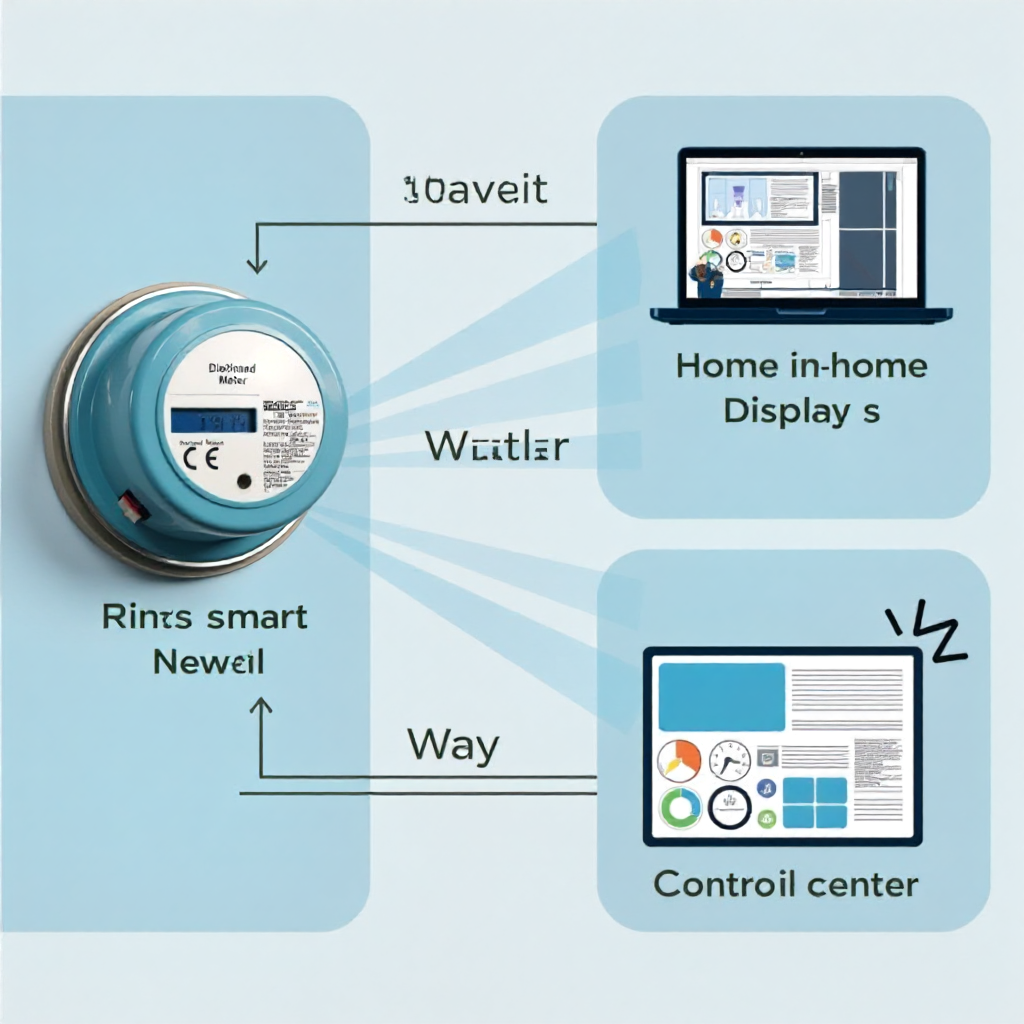
Advanced smart meters operate on two-way communication infrastructure, allowing data to flow both from the meter to the utility and back. This bidirectional architecture is the defining feature of AMI technology and the reason advanced meters can do things their predecessors simply cannot.

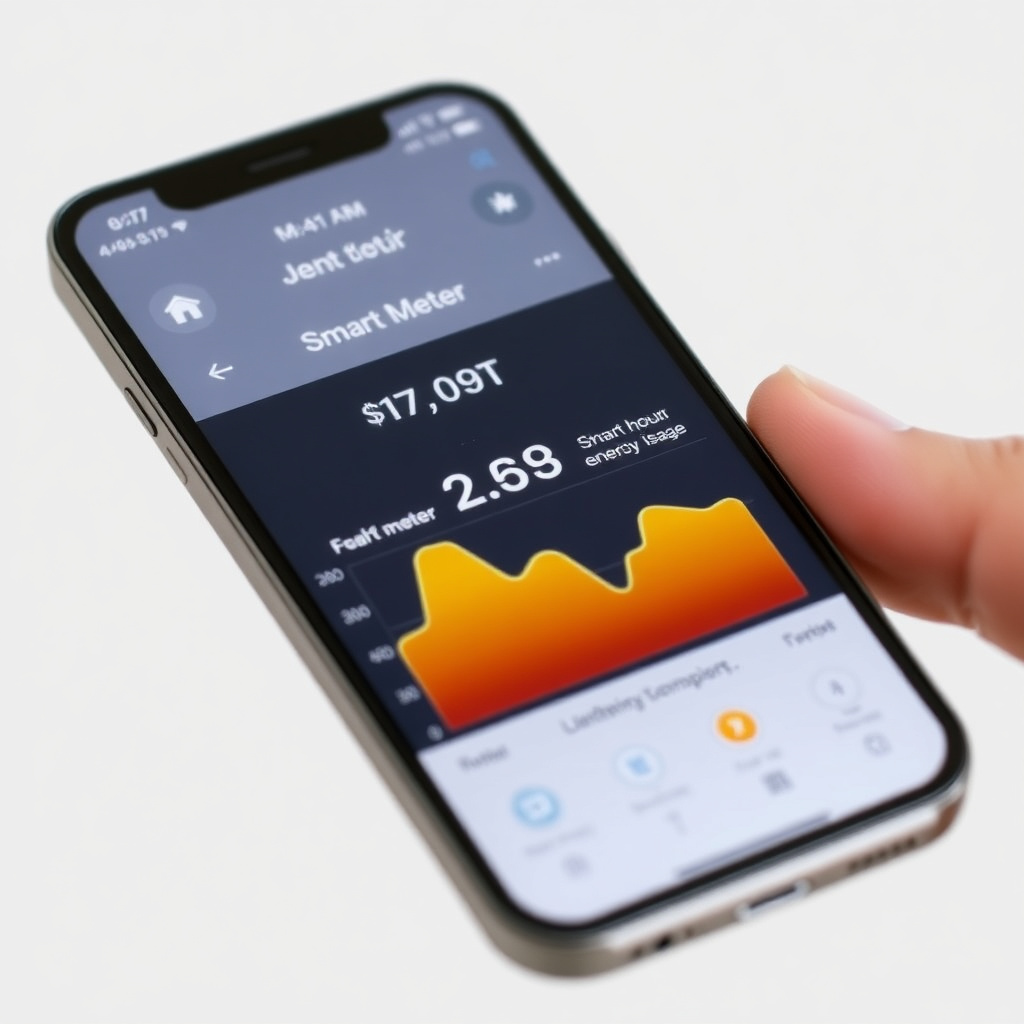
Rather than transmitting a single daily total, an advanced meter captures interval data — typically in 15- or 30-minute increments — giving utilities and consumers a detailed picture of consumption patterns throughout the day. This granularity is what makes time-of-use tariffs possible: the meter can distinguish between energy used at peak hours versus off-peak periods, enabling more accurate and flexible billing.

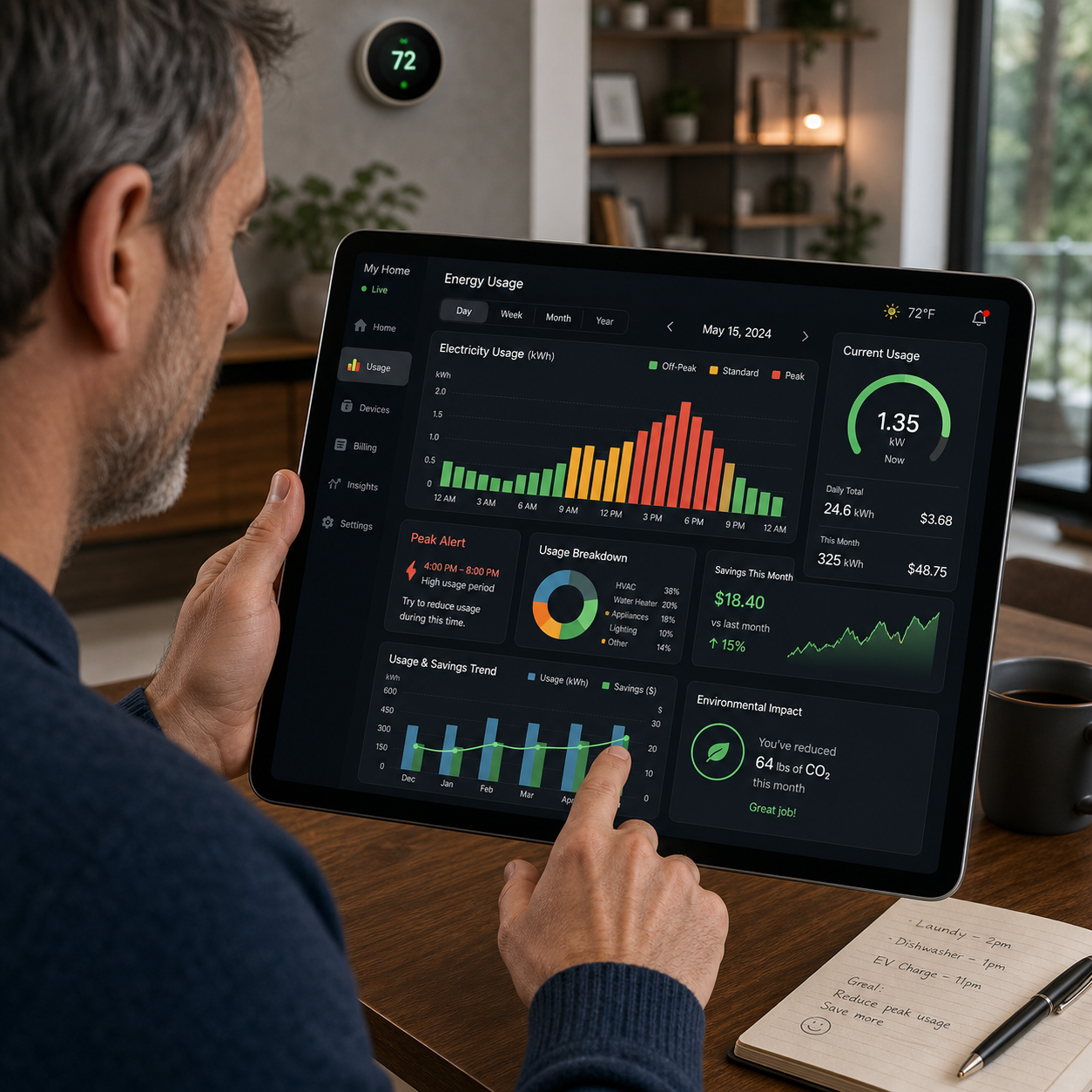
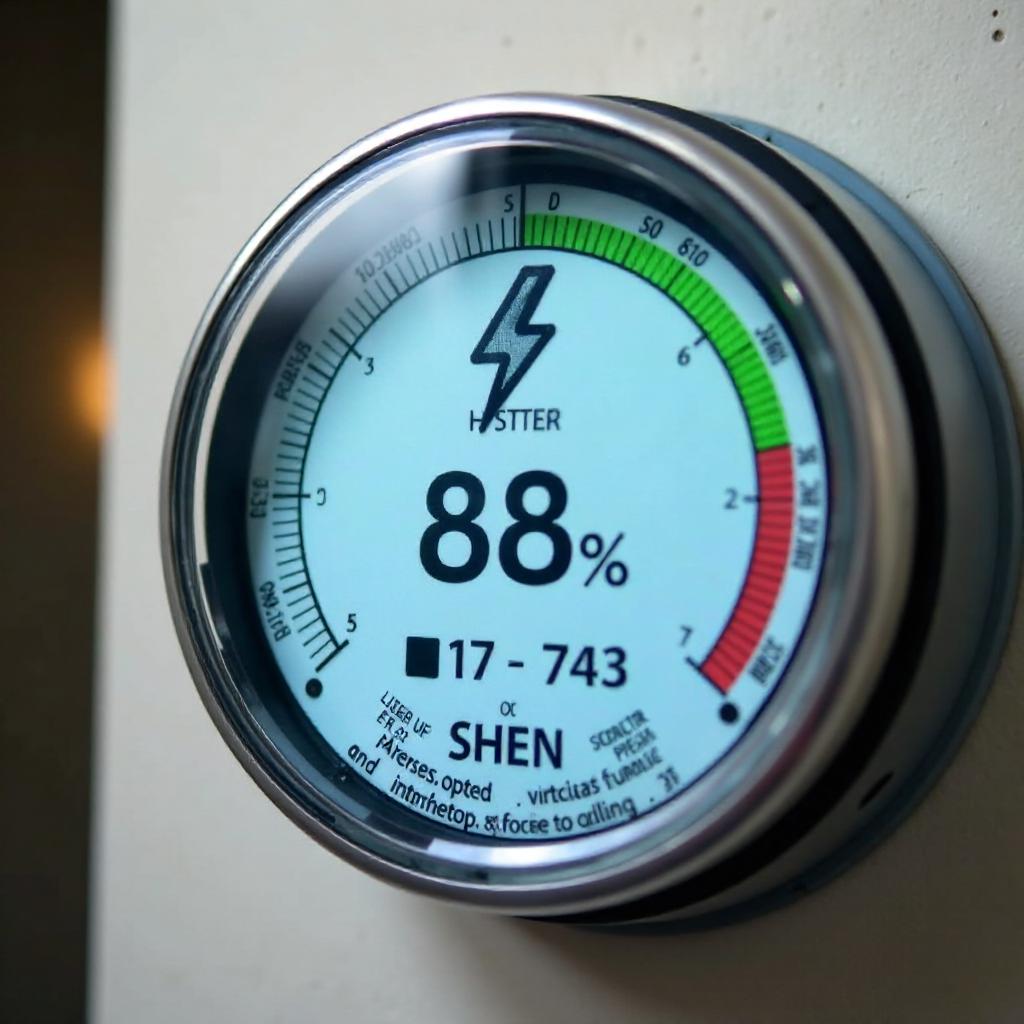
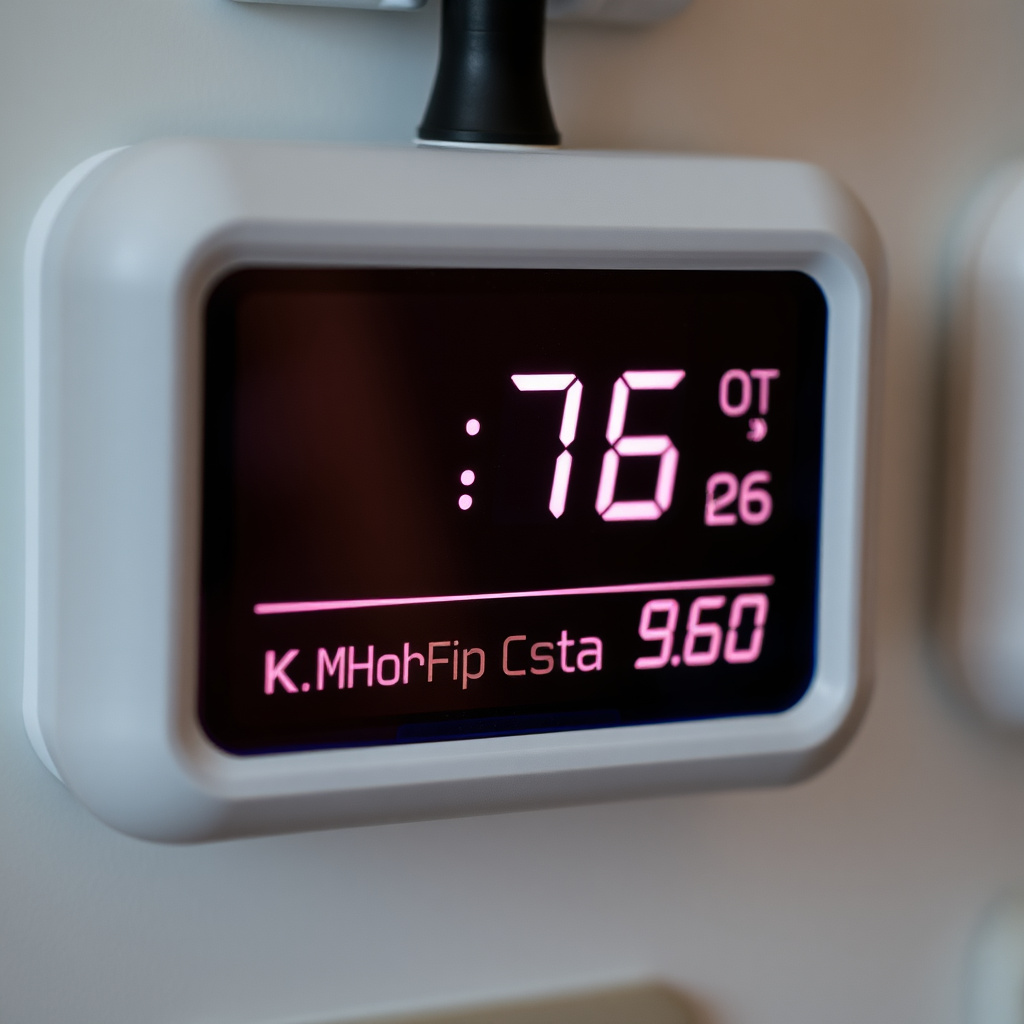
The two-way link also enables remote management. Utility operators can push firmware updates, adjust meter settings, and — where legally permitted — perform remote disconnect and reconnect without sending a technician. For consumers, advanced meters often pair with an in-home display (IHD), a small device that shows near-real-time energy consumption in kilowatt-hours or estimated cost.

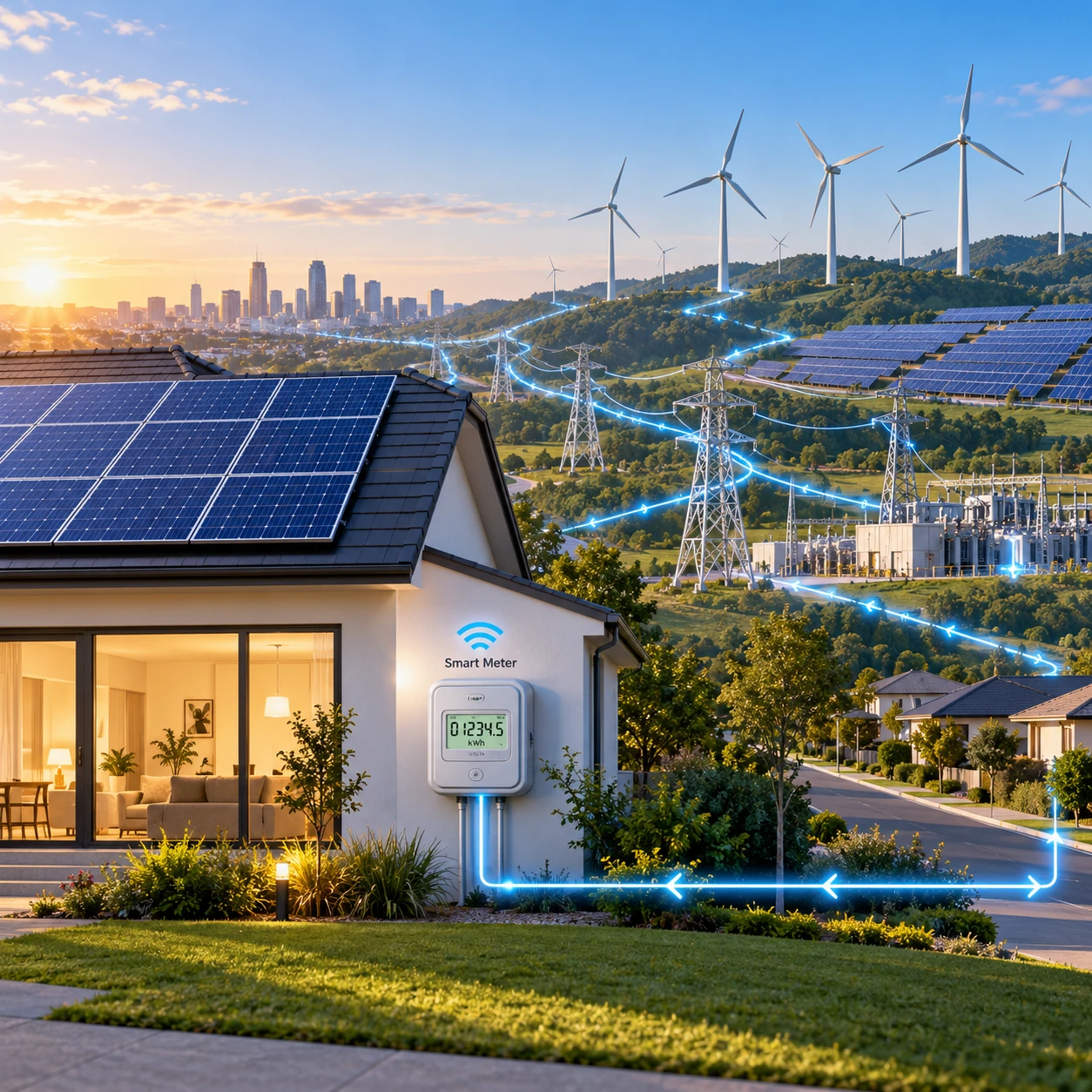
Advanced meters also integrate more deeply with grid management systems. Utilities can use the data stream for outage detection, load balancing, and demand-response programs — capabilities that become increasingly important as grids absorb more renewable energy sources.

Feature-by-Feature Comparison

Laying the two meter types side by side makes the practical differences immediately clear. Here's how they stack up across the features that matter most to households and businesses:

FeatureTraditional Smart Meter (AMR)Advanced Smart Meter (AMI)
Communication directionOne-way (meter to utility)Two-way (meter ↔ utility)
Data frequencyDaily or lessEvery 15–30 minutes
Time-of-use tariff supportNoYes
In-home display (IHD)Rarely compatibleTypically compatible
Remote disconnect/reconnectNoYes (where permitted)
Outage detectionLimitedAutomated, near-real-time
Consumer energy portal accessBasic monthly dataDetailed interval data
Grid integration capabilityMinimalHigh

The communication architecture is the root cause of almost every other difference in this table. One-way transmission is a reporting tool; two-way communication is an interactive system. That distinction shapes everything from your billing options to how quickly your utility detects a power outage on your street.

Benefits and Limitations of Each Model

Neither meter type is universally superior — each has a context where it makes sense, and each comes with genuine trade-offs.

Traditional Smart Meters

Where they work well: For utilities managing large, geographically dispersed networks, AMR meters dramatically reduce the cost of meter reading operations. They eliminate estimated bills and provide a reliable consumption record without requiring significant infrastructure investment. In regions with flat-rate tariffs and stable grid conditions, they do the job adequately.

Where they fall short: Consumers gain almost nothing in terms of energy awareness. Monthly billing data is too coarse to drive behavioral change. There's no mechanism for demand response, no support for dynamic pricing, and no ability for the utility to respond to grid conditions through the meter. As energy systems grow more complex, AMR meters become a bottleneck rather than an asset.

Advanced Smart Meters

Where they work well: Households that want to actively manage their energy costs benefit significantly. Access to interval data through an energy portal or IHD lets you see exactly which hours of the day drive your bill up — and adjust accordingly. Businesses with variable loads can optimize operations around time-of-use tariffs. Utilities gain a real-time operational tool for grid management.

Where they fall short: The infrastructure cost is substantially higher. Advanced meters require a robust communication network (often using mesh radio or cellular protocols), and the data management systems on the utility side are complex. There are also legitimate privacy considerations: 15-minute interval data can reveal detailed patterns about when occupants are home, asleep, or away. Regulatory frameworks for data protection vary significantly by region.

Which Smart Meter Is Right for Your Situation?

The right meter depends on what you want from it — and in many cases, the choice isn't entirely yours to make. Utilities typically determine which meter technology is deployed in a given area. But understanding your needs helps you advocate for the right solution and make the most of whatever system is available.

  • Homeowners focused on reducing energy bills: An advanced smart meter paired with a time-of-use tariff is the most direct path to savings. Shifting dishwasher cycles, EV charging, and laundry to off-peak hours can reduce electricity costs meaningfully — but only if your meter can distinguish when that energy was used.
  • Renters with limited control: Even a basic advanced meter with IHD access gives you visibility into consumption, which is useful for negotiating with landlords or understanding shared utility costs.
  • Small businesses with predictable loads: A traditional AMR meter may be sufficient if your energy use is consistent and your tariff is flat-rate. But if your utility offers demand-based pricing, an advanced meter could pay for itself quickly.
  • Utility planners and grid operators: AMI is the only viable path for modern grid management. The data granularity and two-way control capabilities of advanced meters are prerequisites for demand-response programs and renewable integration.

If you're in an area where advanced meters have been rolled out, it's worth contacting your utility to confirm you're enrolled in a compatible tariff — simply having the hardware isn't enough to unlock the full benefit.

The Future of Smart Metering: Where Is the Technology Heading?

Advanced metering infrastructure is already evolving beyond its current form, with several developments reshaping what smart meters will be capable of in the next five to ten years.

Higher data granularity is one clear direction. Some utilities are already piloting sub-minute interval readings, which opens the door to appliance-level disaggregation — identifying the energy signature of individual devices without additional hardware. Imagine your meter detecting that your refrigerator compressor is running inefficiently, flagging it before you notice the impact on your bill.

EV integration is another frontier. As electric vehicle adoption grows, smart meters capable of communicating with home charging systems will enable vehicle-to-grid (V2G) programs, where EV batteries can discharge energy back to the grid during peak demand. This requires the kind of real-time, bidirectional communication that only AMI meters support.

Demand-response programs — where utilities incentivize consumers to reduce load during grid stress events — are also expanding. Advanced meters are the enabling infrastructure for these programs, and their value will grow as electricity grids absorb more intermittent renewable generation from solar and wind sources.

The trajectory is clear: metering technology is moving toward greater intelligence, tighter grid integration, and more consumer control. Traditional AMR meters, while still functional, are increasingly a dead end in this landscape. For a broader overview of how smart grid technology is developing globally, the International Energy Agency's smart grids research provides useful context on where investment and policy are heading.

Frequently Asked Questions

Can a traditional smart meter be upgraded to an advanced model?

In most cases, upgrading requires a full meter replacement rather than a software update, because AMR and AMI meters use fundamentally different communication hardware. The decision and cost typically sit with the utility, not the consumer. If you want an advanced meter, your best option is to contact your energy provider and ask about their rollout schedule.

Do advanced smart meters raise privacy concerns with real-time data collection?

Yes, and it's a legitimate concern. Interval data collected every 15 minutes can reveal detailed behavioral patterns — occupancy, sleep schedules, appliance use. Most jurisdictions have data protection rules governing how utilities store and share this information, but the specifics vary. Reviewing your utility's data privacy policy is a reasonable step before opting into granular data sharing.

What is the difference between AMR and AMI?

AMR (Automatic Meter Reading) uses one-way communication to collect meter data on a scheduled basis. AMI (Advanced Metering Infrastructure) uses two-way communication to enable near-real-time data exchange, remote management, and integration with utility systems. AMI is a superset of AMR's capabilities — every AMI meter can do what an AMR meter does, plus considerably more.

Will an advanced smart meter automatically qualify me for time-of-use tariffs?

Having an advanced meter is a necessary condition for TOU tariffs, but not sufficient on its own. You typically need to enroll in a TOU plan through your utility separately. Some providers automatically migrate customers; others require an opt-in. Check with your energy supplier to confirm your current tariff and available options.

How does an in-home display work with an advanced smart meter?

An IHD connects wirelessly to your advanced smart meter using a dedicated home area network (HAN) protocol. It receives near-real-time consumption data — typically updated every few seconds — and displays it in kilowatt-hours, cost per hour, or carbon terms depending on the device. The IHD itself doesn't store data or communicate with the utility; it simply translates the meter's signal into a readable format for the household.

{{HOMEPAGE_LINKS}}