Your Meter Is Getting Smarter — Here's What That Means for You

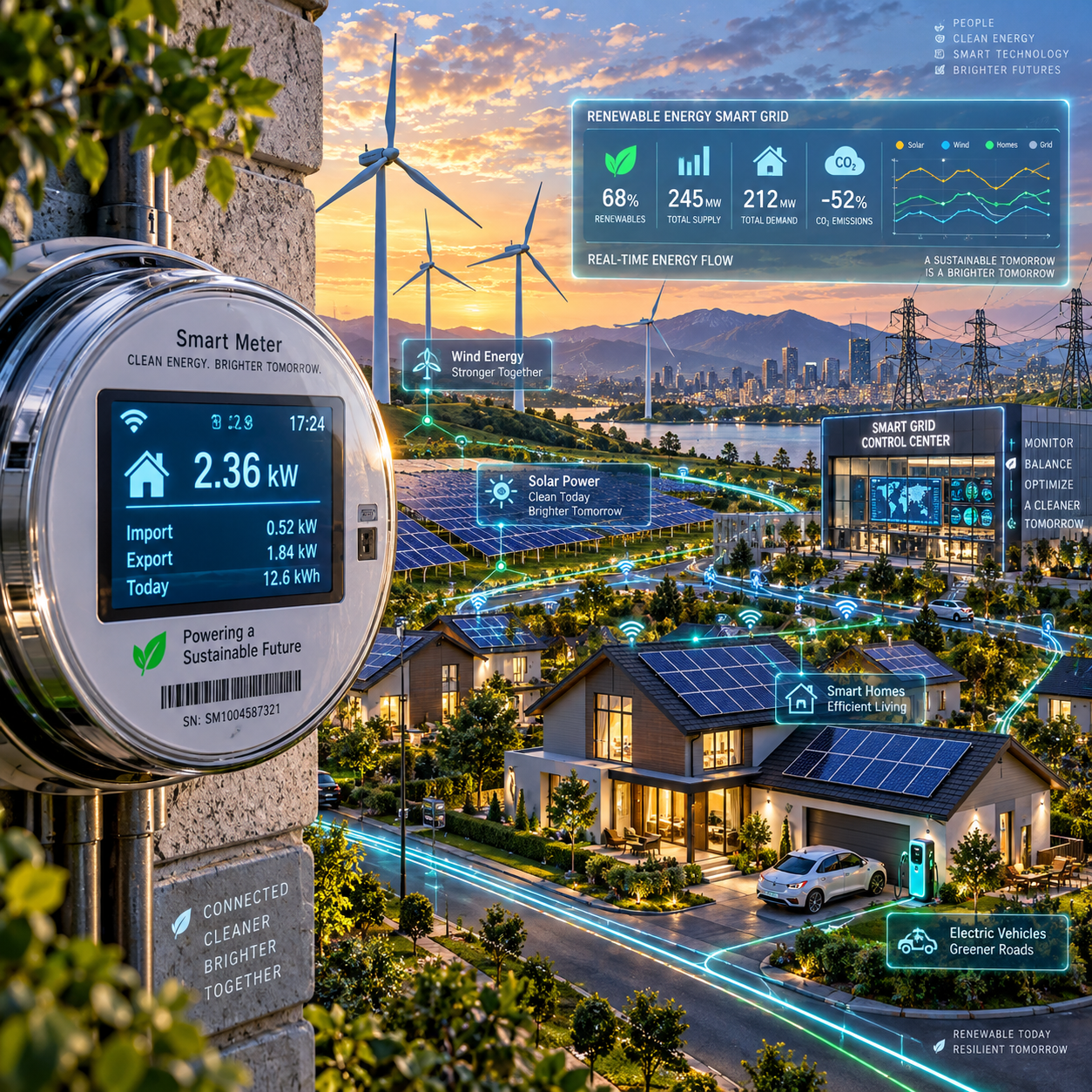
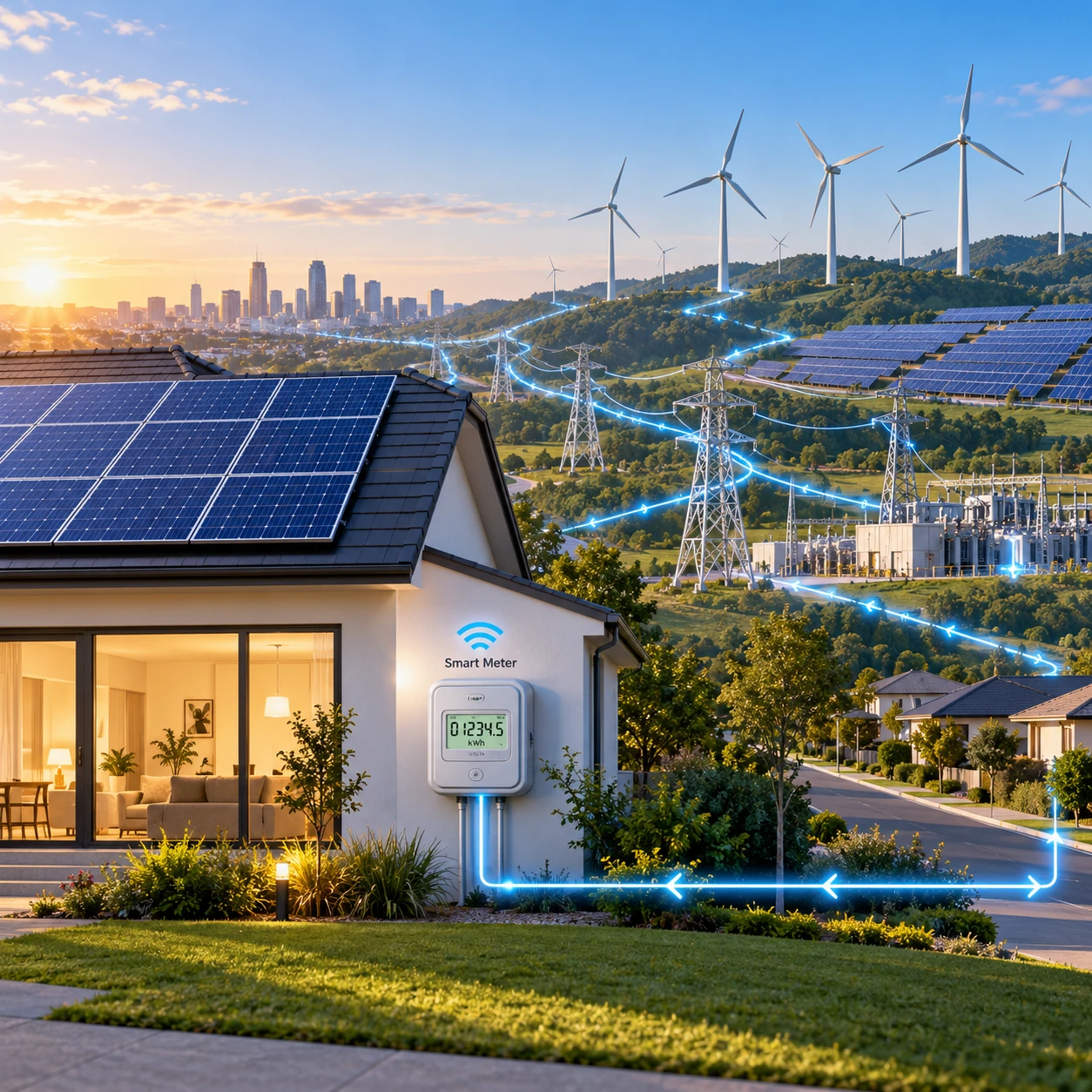
Across Europe, old spinning-dial meters are being replaced by devices that actually talk back. Smart meters don't just measure energy — they give you and your supplier a real-time picture of how electricity and gas flow through your home.

How They Work

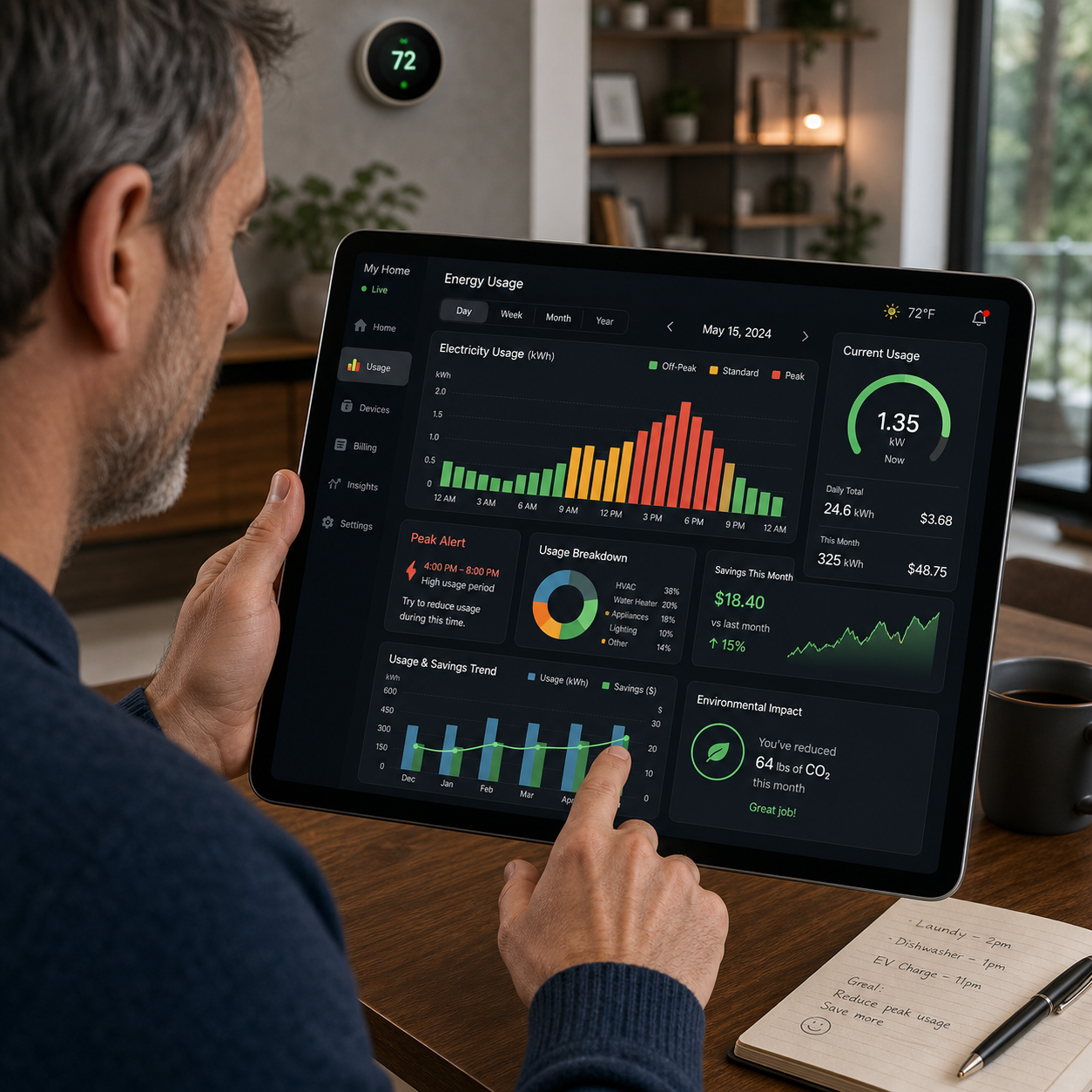
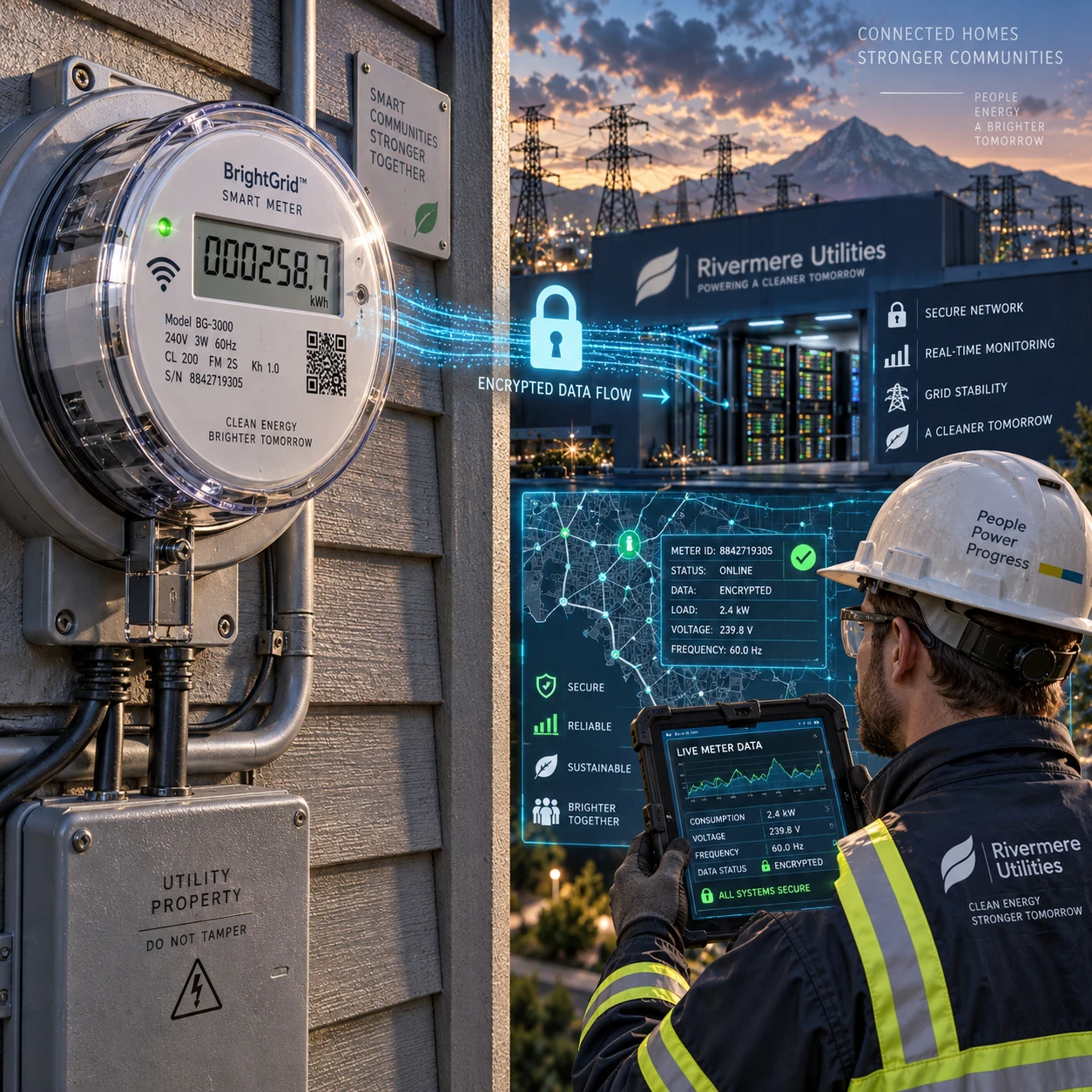
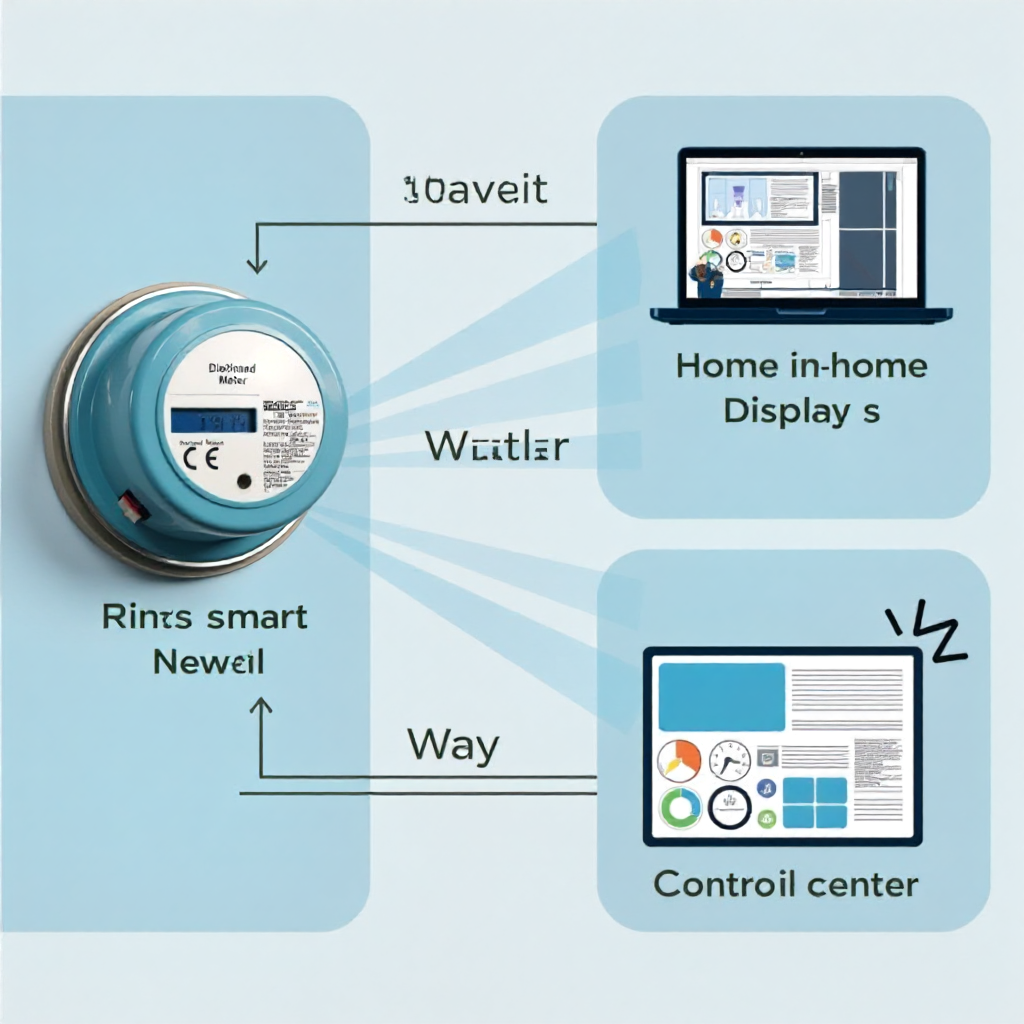
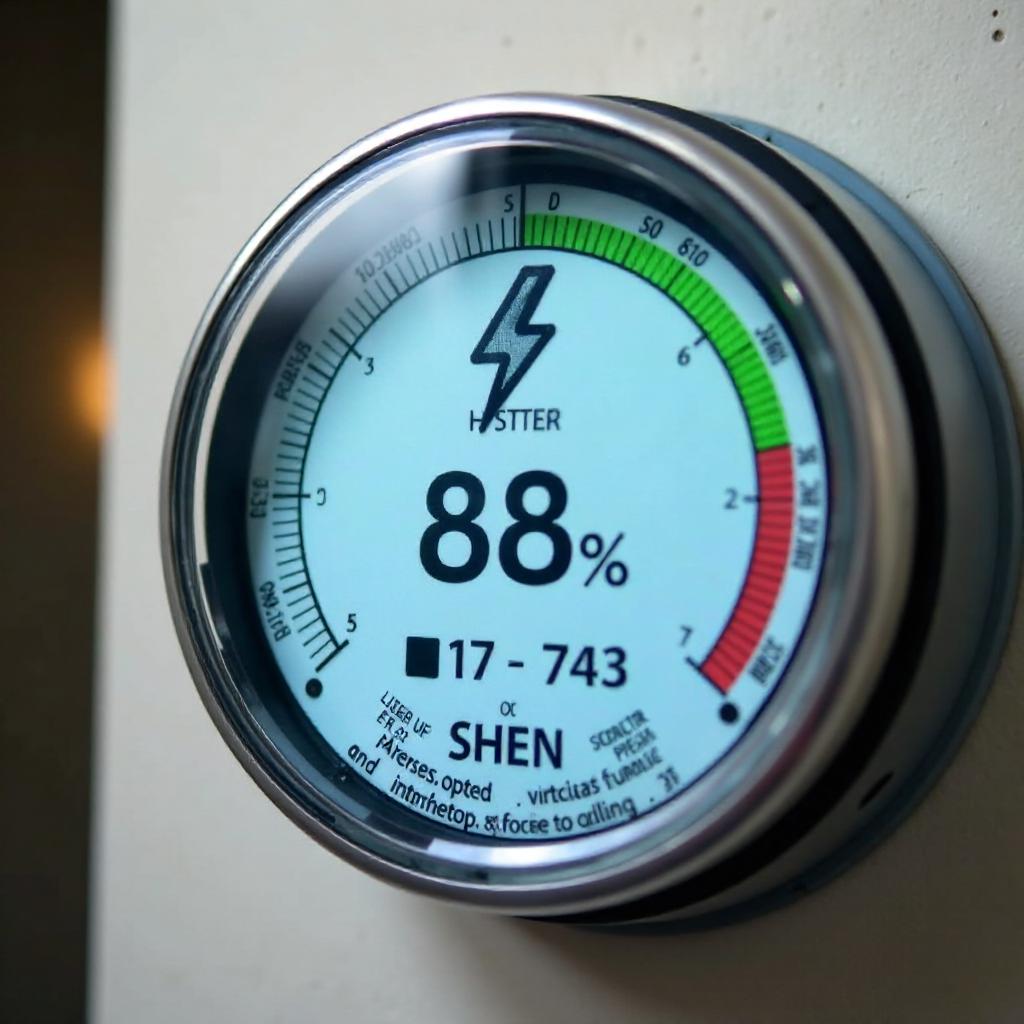
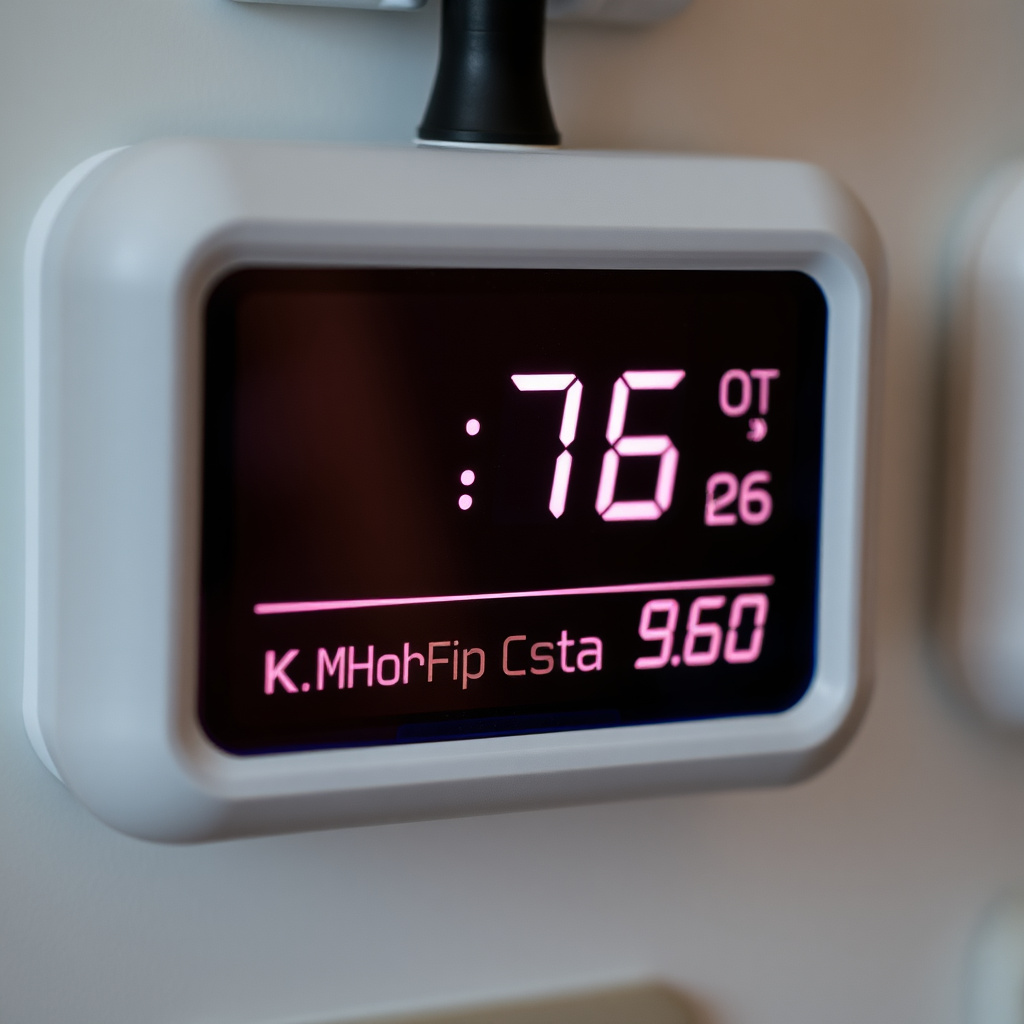
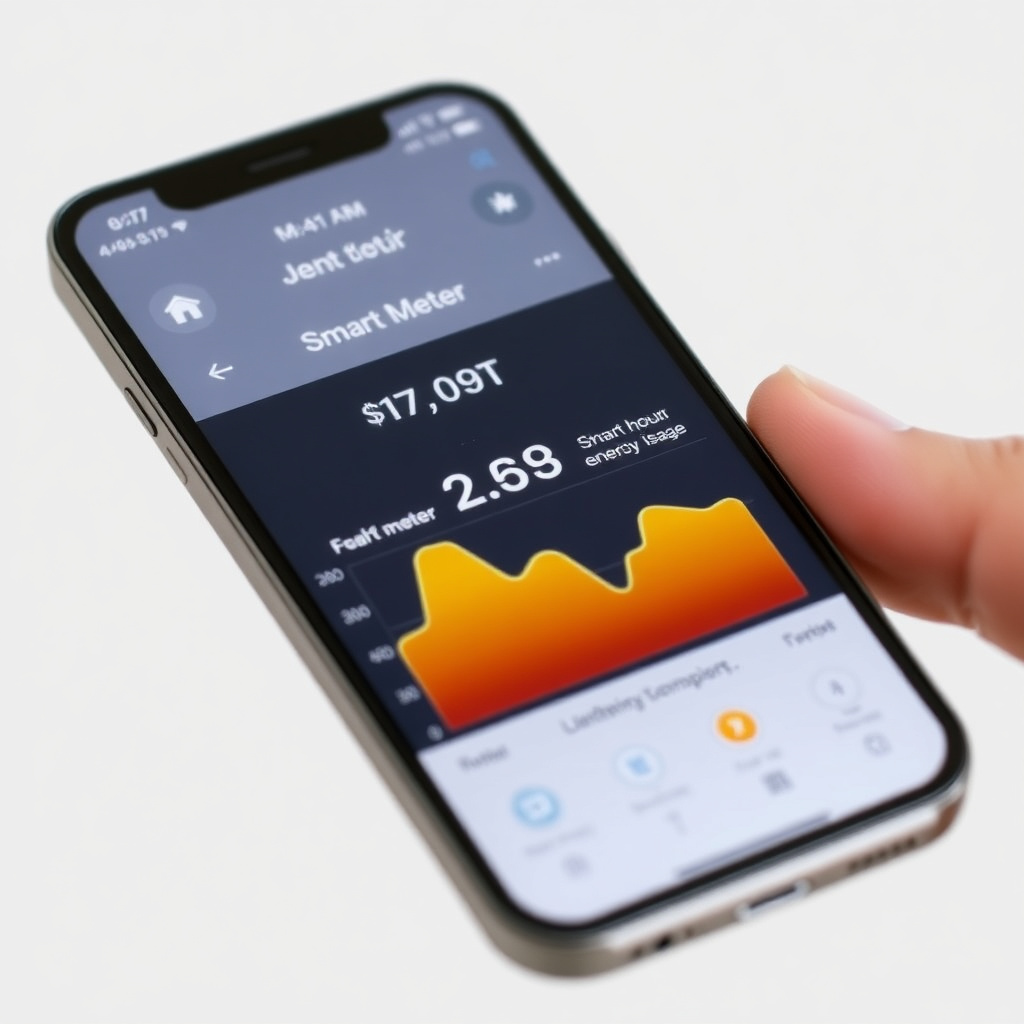
A smart meter records your energy consumption in short intervals — typically every 30 minutes — and transmits that data wirelessly to your supplier. No more estimated bills, no more meter readers at the door. The readings go directly through a secure communications network, and you can view your own usage through an in-home display or an app.

What You Actually Gain

  • Accurate bills based on real consumption, not estimates
  • Visibility into which hours of the day cost you most
  • Faster switching between energy suppliers
  • Support for time-of-use tariffs that reward off-peak usage

Where the EU Rollout Stands

EU directives have pushed member states to deploy smart meters to at least 80% of households where rollout is cost-effective. Countries like Sweden, Finland, and Italy completed their transitions years ago. Others — including Germany and parts of Eastern Europe — are still scaling up. The goal is a fully connected grid that supports renewable energy integration and gives consumers genuine control over their costs.

Want to understand your rights as a consumer during the rollout?

Know Your Rights