





The EU Rules Reshaping How Europe Uses Energy
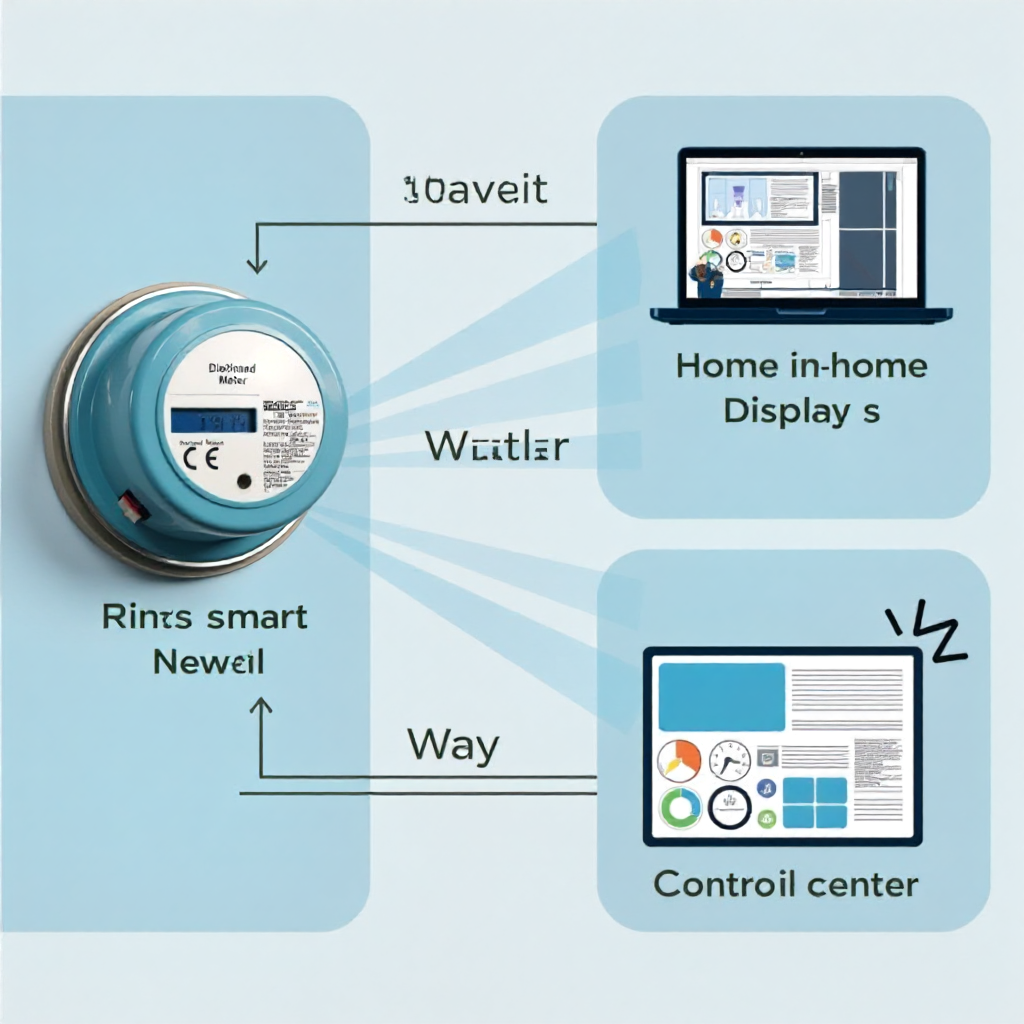
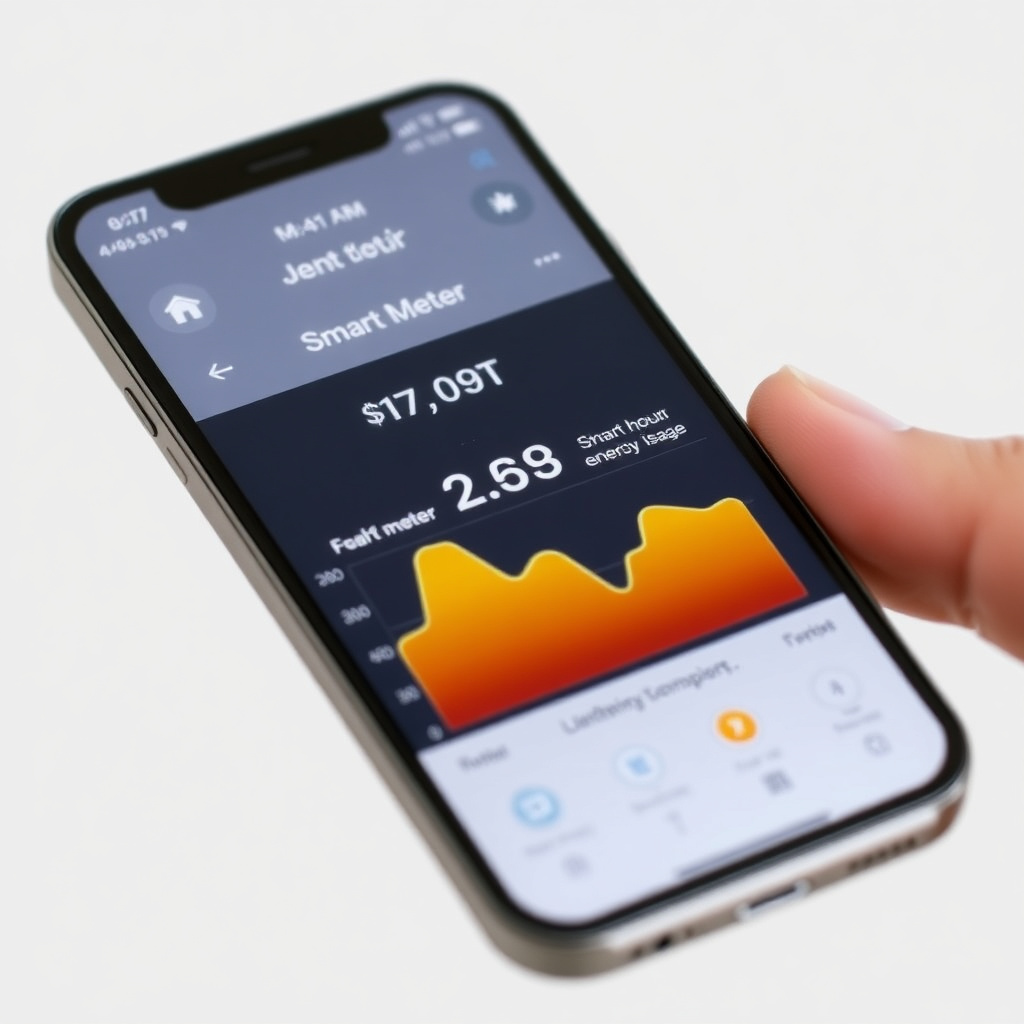
Behind every smart meter and digital energy bill is a framework of European legislation that took decades to build. Understanding it helps you see not just where the market is today, but where it's heading.
The Energy Efficiency Directives
The EU's Energy Efficiency Directive (EED) and its successive revisions set binding targets for member states, pushing utilities and consumers alike toward measurable reductions. Smart metering is a direct instrument of this ambition — you can't manage what you can't measure.
The Internal Electricity Market Directive
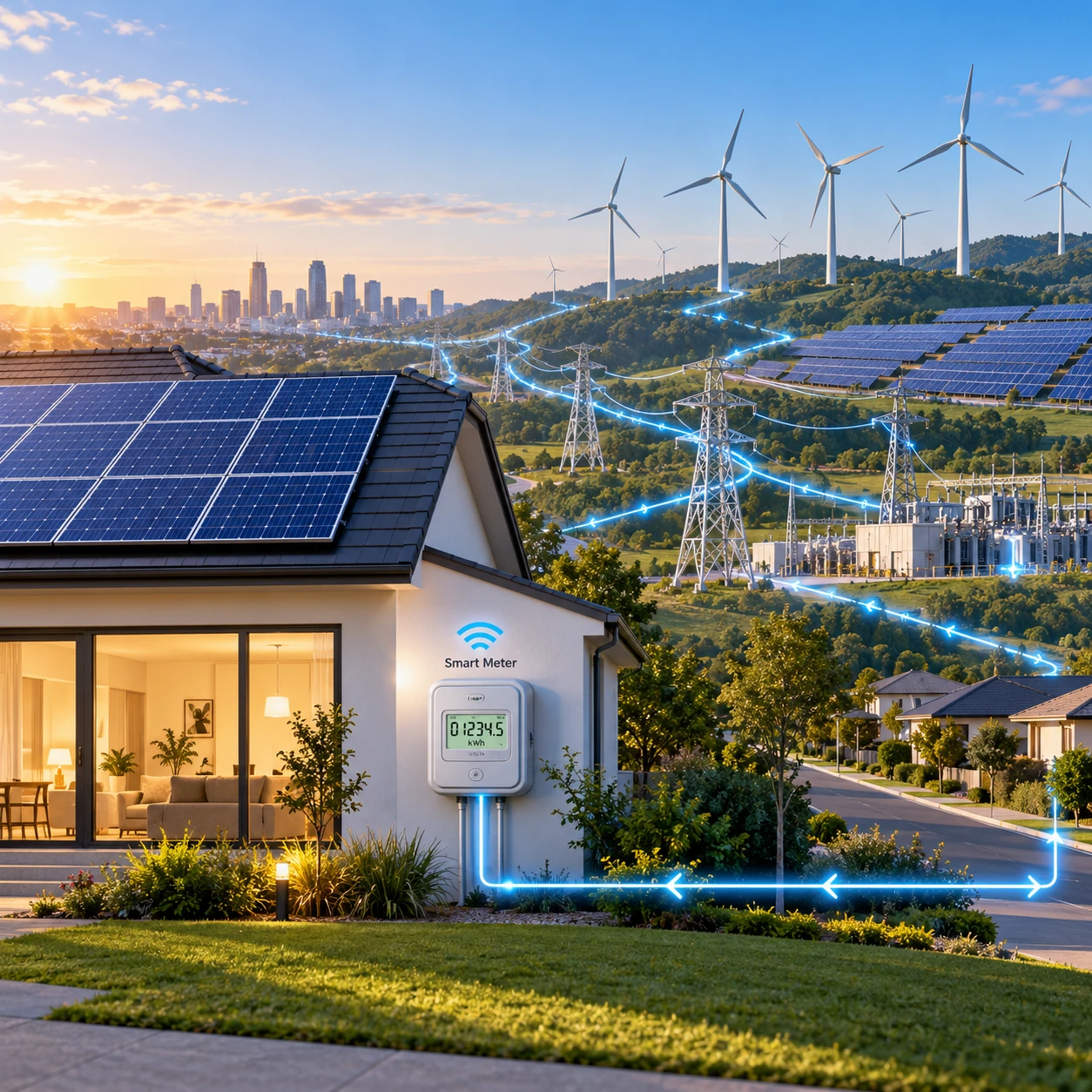
Directive 2019/944 redefined consumer rights across the EU, introducing the concept of the "active consumer" — someone who can produce, store, and sell energy, not just buy it. Smart meters are the gateway to that participation.
GDPR and Data Protection
Smart meters generate granular consumption data. The General Data Protection Regulation sets strict rules on how that data is collected, stored, and shared — giving consumers meaningful control over their own energy information.
The Clean Energy Package
This landmark set of eight legislative acts, adopted between 2018 and 2019, placed consumers at the centre of the energy transition. It accelerated smart meter rollouts and opened the door to energy communities and peer-to-peer trading.
Policy shapes your energy choices
These regulations aren't abstract — they determine what your meter can do, what data you can access, and what rights you hold as a consumer. Explore our guides to see how EU policy translates into everyday energy decisions.
Smart Metering Explained Your Consumer Rights