




Cybersecurity Measures for Smart Meter Systems

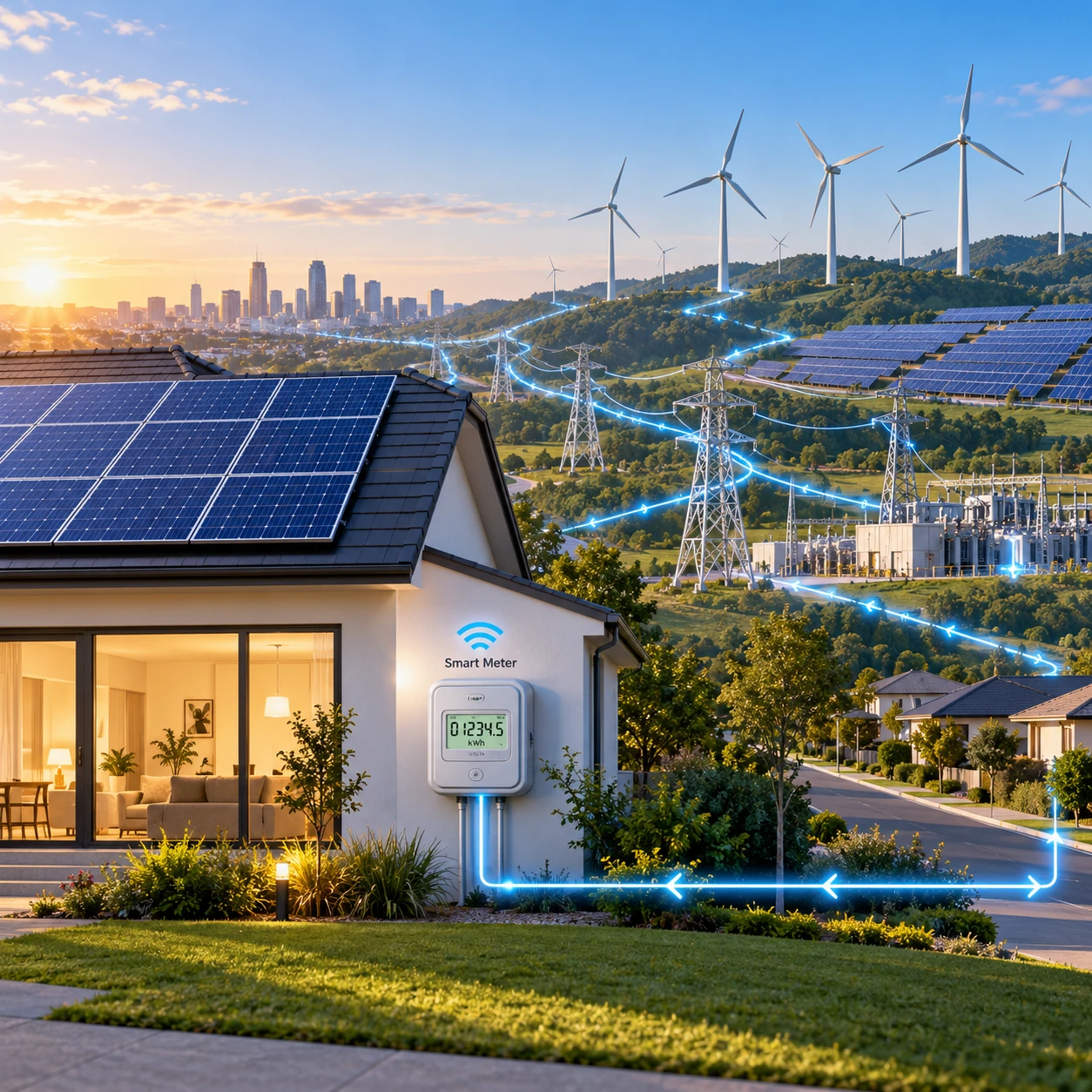
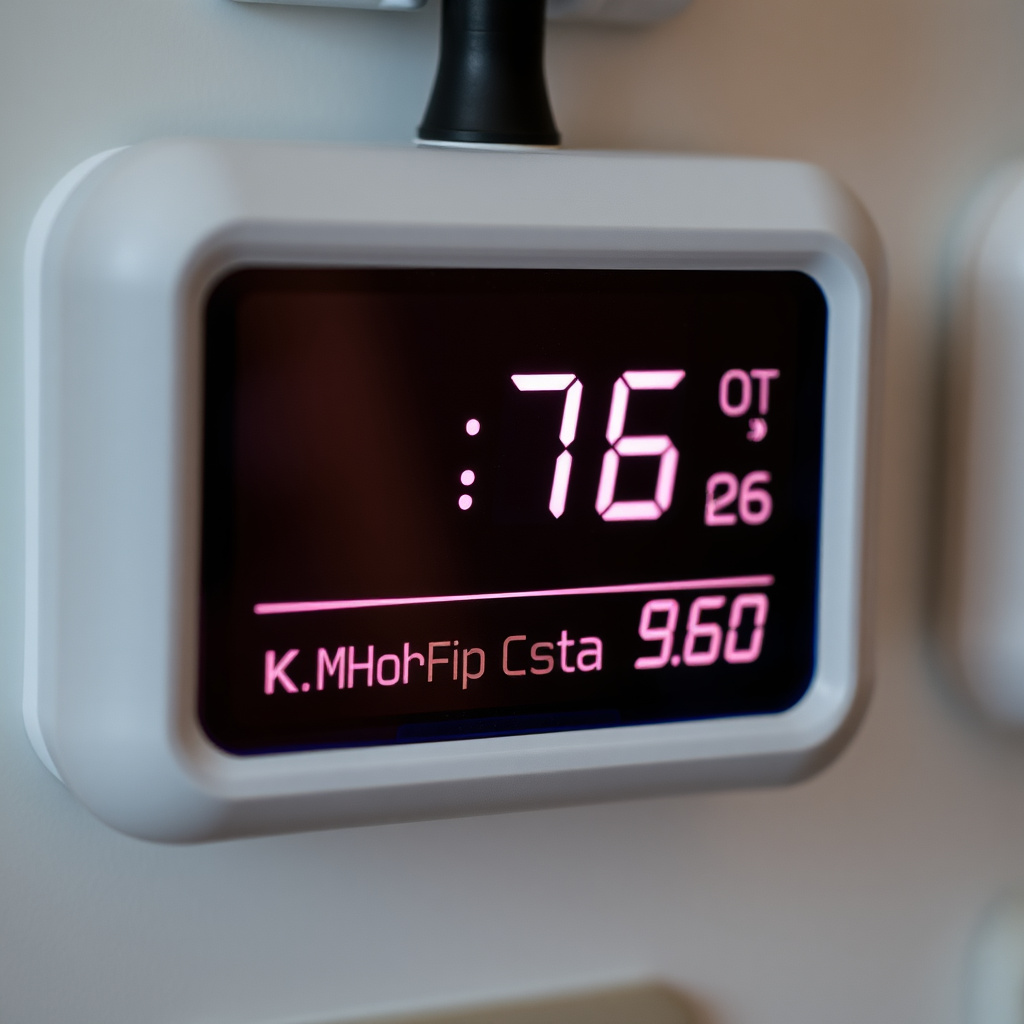
Smart meters help households and utilities track electricity use, manage demand, and make energy services more responsive. Because these devices exchange meter data with utility systems, their security affects more than a single household: it also supports consumer privacy and the reliable operation of the energy network.
Effective cybersecurity uses layers of protection. Encryption, authentication, careful access control, secure firmware updates, network segmentation, and ongoing monitoring each reduce different risks. No single safeguard can eliminate every threat, so utilities, vendors, and consumers all have roles to play.
Why cybersecurity matters for smart meters
Cybersecurity matters because smart meters and advanced metering infrastructure (AMI) connect household energy measurements to utility systems. Protecting those connections helps preserve accurate billing, consumer privacy, and reliable energy management.
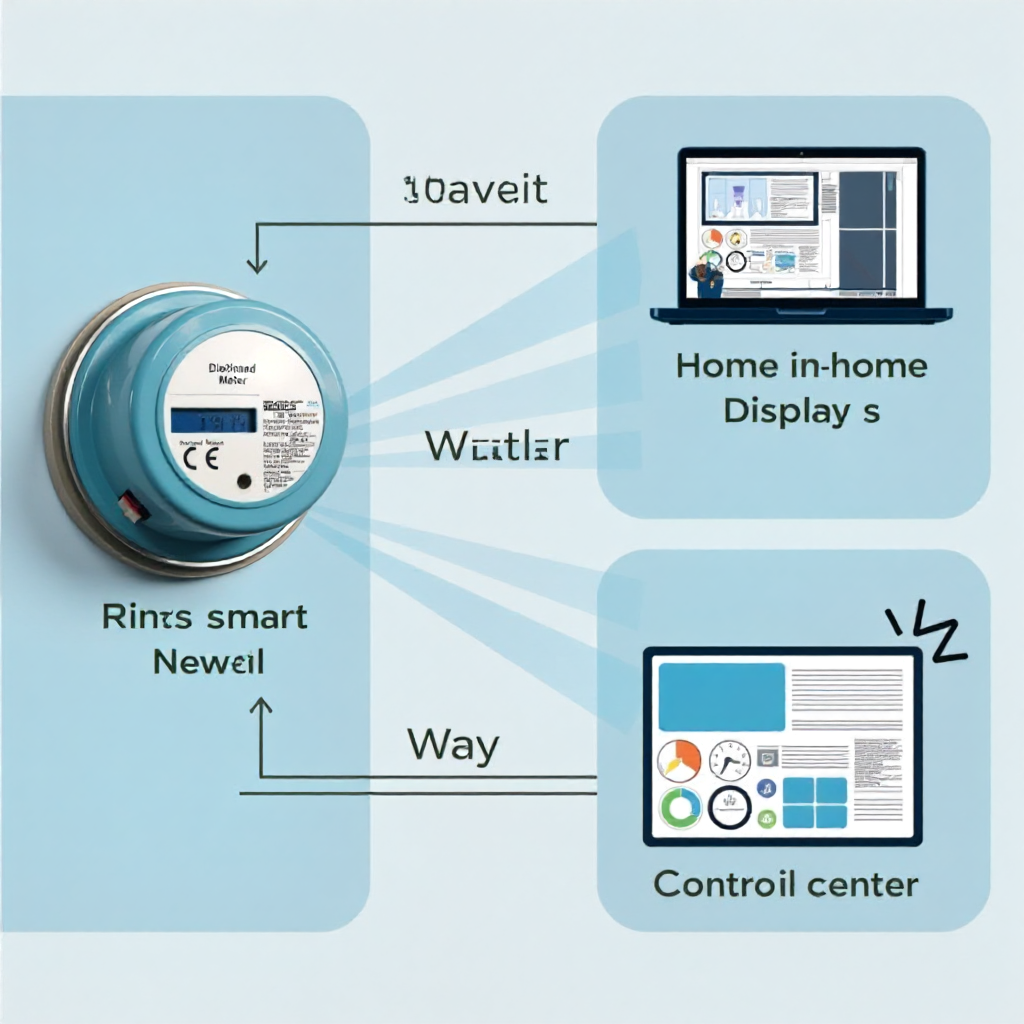
AMI typically includes smart meters, communications networks, data collection systems, and utility applications. It can help operators understand usage patterns, support remote meter services, and manage electricity demand. Those capabilities depend on trustworthy readings and communications: altered data or a service outage can interfere with operations and customer service.
Meter data may reveal when a home is occupied or how energy use changes over time, depending on how often readings are collected and what information is retained. Utilities should therefore limit collection and access to what their stated purposes require, protect data throughout its lifecycle, and explain relevant privacy practices to customers.
Security also supports energy-saving programs. Customers and operators are more likely to rely on usage insights when readings are accurate and systems are dependable. Strong safeguards do add cost and operational work, especially across large, long-lived device fleets. That investment needs to be balanced with the value and sensitivity of the data and the consequences of disruption.
Common risks to smart meter systems
Common smart meter risks include unauthorized access, interception of meter data, device tampering, and disruption of communications or utility services. The exact exposure depends on the meter design, network, configuration, and maintenance practices.
Attackers may seek weak or reused credentials, exploit unpatched software, or take advantage of poorly protected interfaces. If communications lack suitable protections, data could be intercepted or altered while moving between a meter and utility systems. Physical access to a device may also create opportunities for tampering, though safeguards vary by equipment and installation.
Risks can extend beyond one meter. A compromised account or system component may provide a route to other services if access is too broad or networks are not separated. At the same time, accidental causes matter: misconfigured equipment, expired certificates, failed updates, and unavailable communications can also affect data quality or service continuity.
- Unauthorized access: Weak authentication or excessive privileges can expose devices, accounts, or utility systems.
- Data interception or alteration: Inadequate communication protections can put readings and commands at risk.
- Tampering: Physical or software changes may affect device operation or measurement integrity.
- Disruption: Attacks or failures may delay readings and interfere with metering operations.
These risks call for proportionate defenses, not alarm. A meter’s exposure is not determined by connectivity alone; design choices, safeguards, and the speed of response all matter.
Protecting meter data and communications
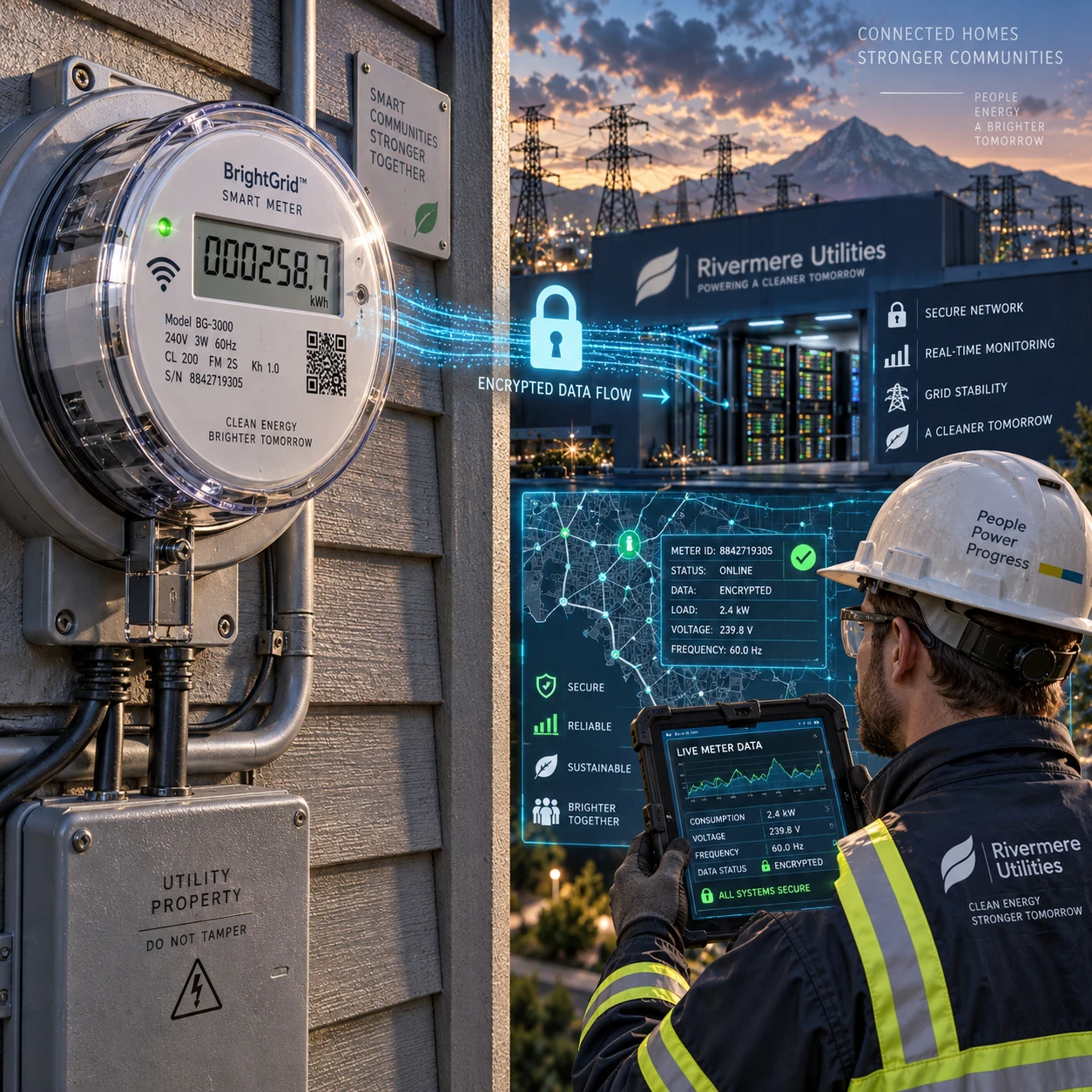
Utilities can protect meter data and communications by encrypting information in transit, verifying device and user identities, and restricting access to the minimum needed. These measures make it harder for unauthorized parties to read, change, or misuse information.
Encryption helps protect data as it travels between smart meters, AMI communication equipment, and utility systems. It should be paired with secure connection practices and appropriate handling of encryption keys. Encryption is less effective if keys are poorly managed, endpoints are compromised, or sensitive data is left exposed in other parts of the system.
Authentication confirms that a device, person, or system is who it claims to be before access is granted. Utilities and vendors should avoid shared default credentials, protect administrative accounts, and use stronger verification for sensitive actions. Access control then limits what an authenticated user or service can do. For example, staff who review usage data may not need the ability to change meter configurations.
Practical controls include:
- Assigning unique identities to devices and accounts rather than relying on shared logins.
- Limiting privileges by job role and reviewing them when responsibilities change.
- Protecting credentials and cryptographic keys, with a process to revoke or replace them if exposed.
- Keeping audit records of access to meter data and important system changes.
Utilities should also define how long they retain meter data, who can access it, and how they handle requests or incidents involving customer information. The NIST Privacy Framework offers a useful reference for managing privacy risk, though organizations still need to adapt controls to their own systems and legal requirements.
Securing devices and the wider metering network
Utilities can secure smart meter devices and AMI networks by maintaining firmware, separating critical systems, monitoring for unusual activity, and configuring equipment carefully. These controls reduce the chance that a weakness in one component will spread or remain unnoticed.
Firmware updates can fix vulnerabilities and improve device reliability. Operators need an inventory of deployed meters, a way to verify updates, and a plan for devices that cannot be updated promptly. Updates should be tested and scheduled to limit service disruption; delaying them indefinitely leaves known weaknesses in place, while rushed changes can cause operational problems.
Network segmentation separates systems according to their purpose and risk. For example, meter communications, business applications, and more sensitive operational systems should not automatically share unrestricted access. Segmentation does not stop every attack, but it can limit how far a compromised account or device can reach.
Intrusion detection and monitoring help teams spot unusual patterns, such as unexpected connection attempts, abnormal volumes of traffic, or repeated authentication failures. Alerts need clear ownership and response procedures. A monitoring tool that produces alerts no one reviews offers little practical protection.
When selecting or managing an AMI platform, utilities can ask vendors how they handle secure configuration, software support periods, vulnerability reports, update verification, and incident notifications. They should also test recovery plans and keep accurate records of devices, software versions, and network connections. Security configuration is ongoing work, not a one-time installation task.
Roles for utilities, vendors, and consumers
Utilities lead smart meter cybersecurity because they operate or oversee the metering environment, while vendors must build and support secure products and consumers should protect their related accounts. Clear responsibilities prevent gaps during deployment, maintenance, and incident response.
Utility operators
Utility operators should set security requirements before procurement, control access to meter data, maintain device inventories, and plan for incidents. They also need procedures for isolating affected systems, restoring service, and notifying the appropriate parties when an incident may affect customers or operations.
Equipment and software vendors
Vendors should provide secure products, document configuration requirements, communicate software support timelines, and report vulnerabilities through a defined process. Utilities, in turn, should assess whether vendor commitments fit the expected service life of meters and the needs of the network.
Consumers
Most consumers do not manage the meter’s firmware or utility network. Their practical responsibility is mainly to secure online utility accounts: use a unique password, enable multifactor authentication if offered, keep contact details current, and be cautious of messages asking for login credentials. Customers should report suspicious account activity or visible meter damage through official utility channels rather than attempting to open or modify equipment.
Responsibility is shared, but not interchangeable. Consumers cannot compensate for weak utility infrastructure, and utilities cannot prevent every account takeover if a customer reuses an exposed password. Good security depends on each party addressing the risks it can control.
Building security into energy-saving programs
Energy-saving programs work best when smart meter data is accurate, available, and handled with appropriate privacy protections. Security helps preserve that trust, while careful data practices make usage insights more acceptable to customers.
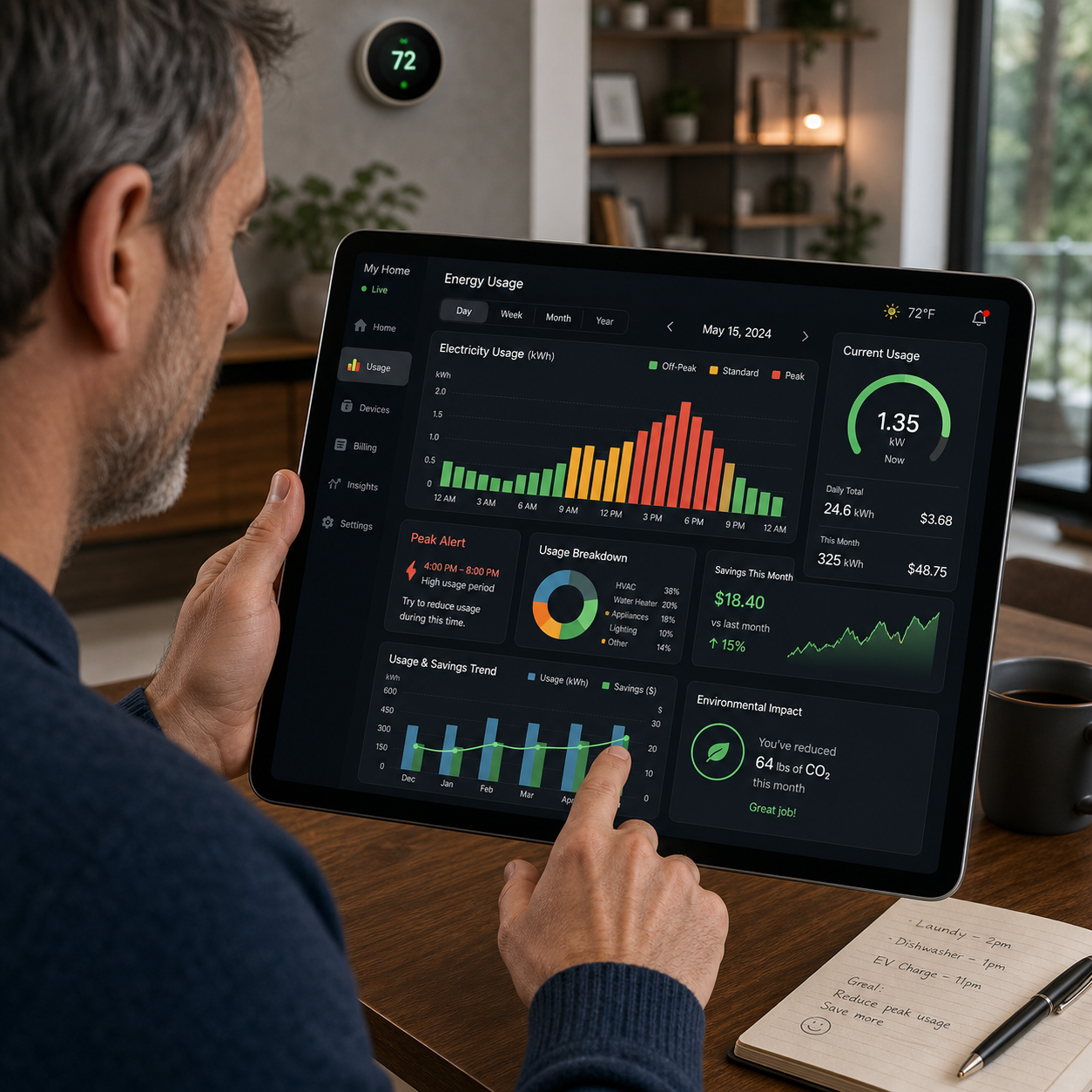
Utilities may use meter readings to provide customers with consumption feedback, support time-based rates, or plan demand-management activities. If data is delayed, altered, or unavailable, those services may give an incomplete picture. If data is collected or retained without clear limits, customers may lose confidence even when a program offers useful energy insights.
A practical approach is to apply a protect, limit, verify, respond cycle:
- Protect devices and communications with encryption, authentication, and secure configuration.
- Limit access and data collection to what the service needs.
- Verify that devices, updates, readings, and account activity are behaving as expected.
- Respond with clear procedures for incidents, service recovery, and customer communication.
This framework helps connect cybersecurity decisions to everyday metering outcomes. For example, a demand-response program should define which readings it needs, who can access them, how long they are kept, and what happens if communications fail. Strong safeguards cannot guarantee uninterrupted service, but they make disruptions easier to detect and manage.
Smart meter cybersecurity FAQ
Smart meter security depends on the device, AMI design, utility controls, and customer account practices. These answers explain what is commonly involved without implying that every meter collects or protects data in exactly the same way.
What data does a smart meter collect?
A smart meter commonly records electricity consumption over time and may report meter status or technical information needed for service. The level of detail and reporting frequency vary by meter and utility. Check the utility’s privacy notice to learn what data it collects, how it uses it, and how long it retains it.
Can smart meters be hacked?
Any connected system can have vulnerabilities, so smart meters cannot be described as impossible to compromise. The likelihood and potential impact depend on the device, network protections, maintenance, and access controls. Layered safeguards and timely incident response reduce risk, but no single measure guarantees security.
How do utilities protect smart meter data?
Utilities can use encryption, device and user authentication, role-based access, secure firmware updates, network segmentation, and intrusion monitoring. They should also restrict data retention, review access, and maintain tested incident-response and recovery plans.
What should consumers do to secure smart meter accounts?
Use a unique password for the utility portal, enable multifactor authentication when available, and keep account recovery details current. Do not share one-time codes or credentials in response to unsolicited messages. Contact the utility through its official website or phone number if account activity seems suspicious.