







Challenges and Solutions in Smart Meter Deployment

Introduction to Smart Meter Deployment

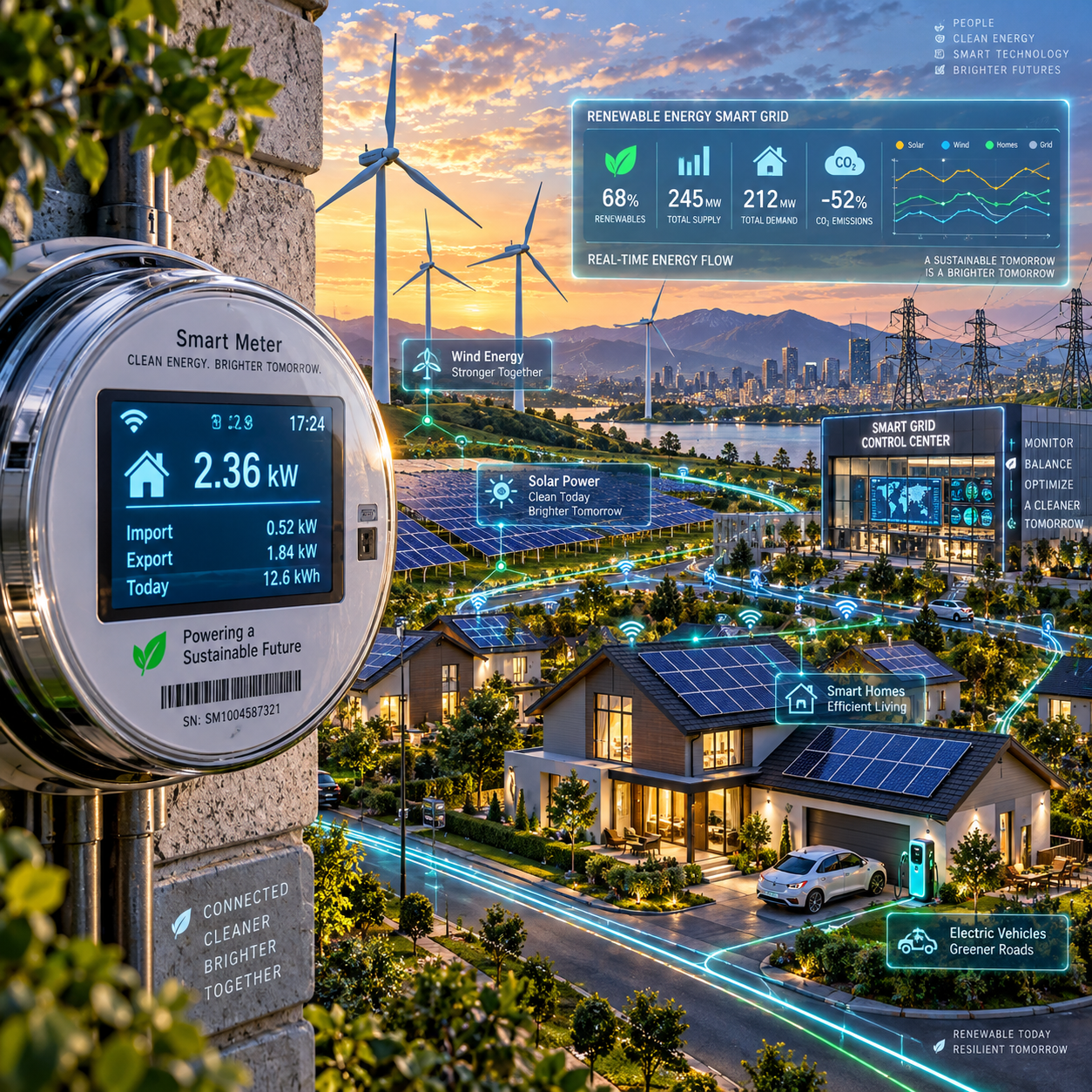
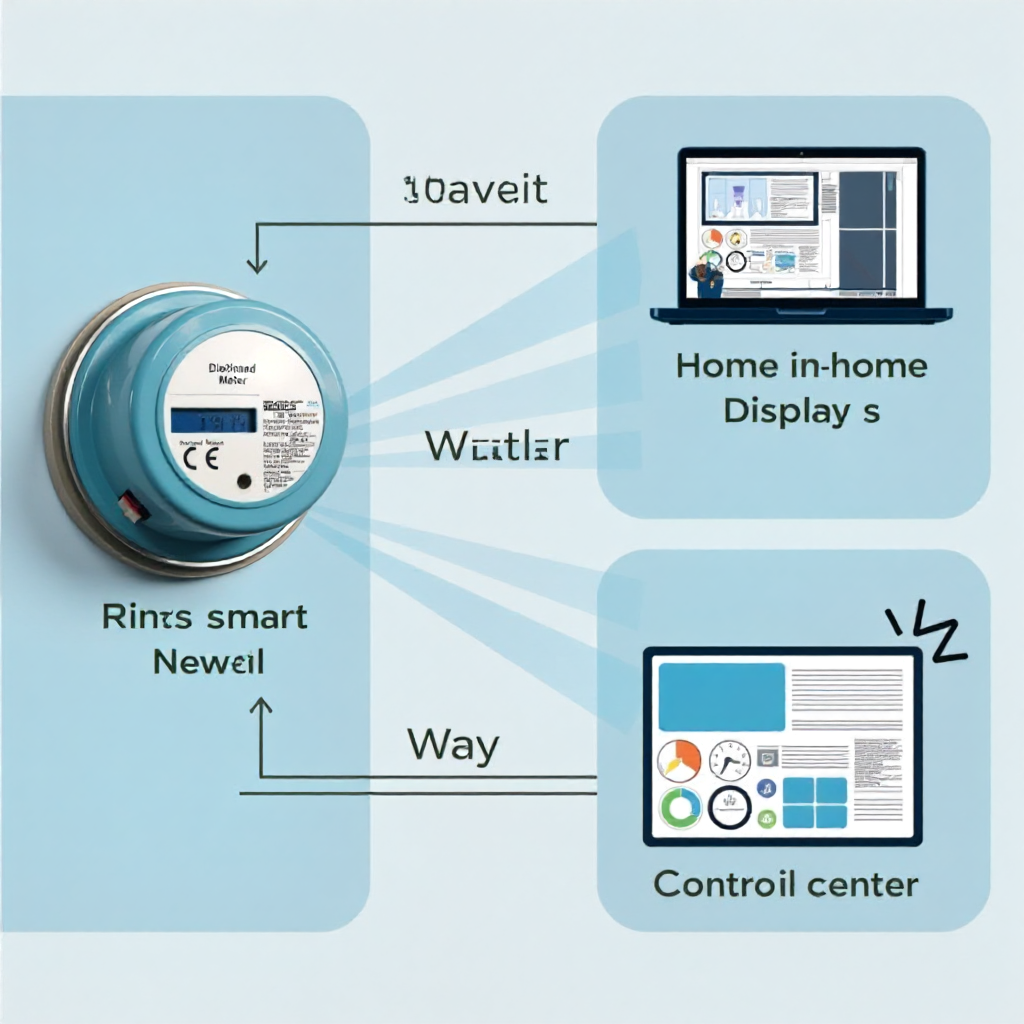
Smart meter deployment involves installing advanced energy metering infrastructure that enables automated, real-time data collection and communication between utilities and consumers. These devices have become essential for grid modernization, allowing for efficient energy management, accurate billing, and improved demand response.

The growing importance of smart meters stems from their role in promoting sustainability, reducing manual meter reading costs, and integrating renewable energy. Across the energy sector, utilities are increasingly investing in smart meter networks to enhance operational efficiency and customer service.

Key Challenges in Smart Meter Deployment

The main challenges in deploying smart meters include technical complexities, installation obstacles, regulatory hurdles, and resistance from stakeholders. Technical issues often arise from integrating smart meters with legacy systems, ensuring technical interoperability, and maintaining reliable IoT connectivity.

Installation can be delayed by physical site limitations or a lack of trained personnel, while regulatory frameworks sometimes lag behind technology advances. Additionally, customer concerns over privacy and the perception of smart meters can lead to pushback, hindering widespread adoption.

Overcoming Technical and Infrastructure Barriers

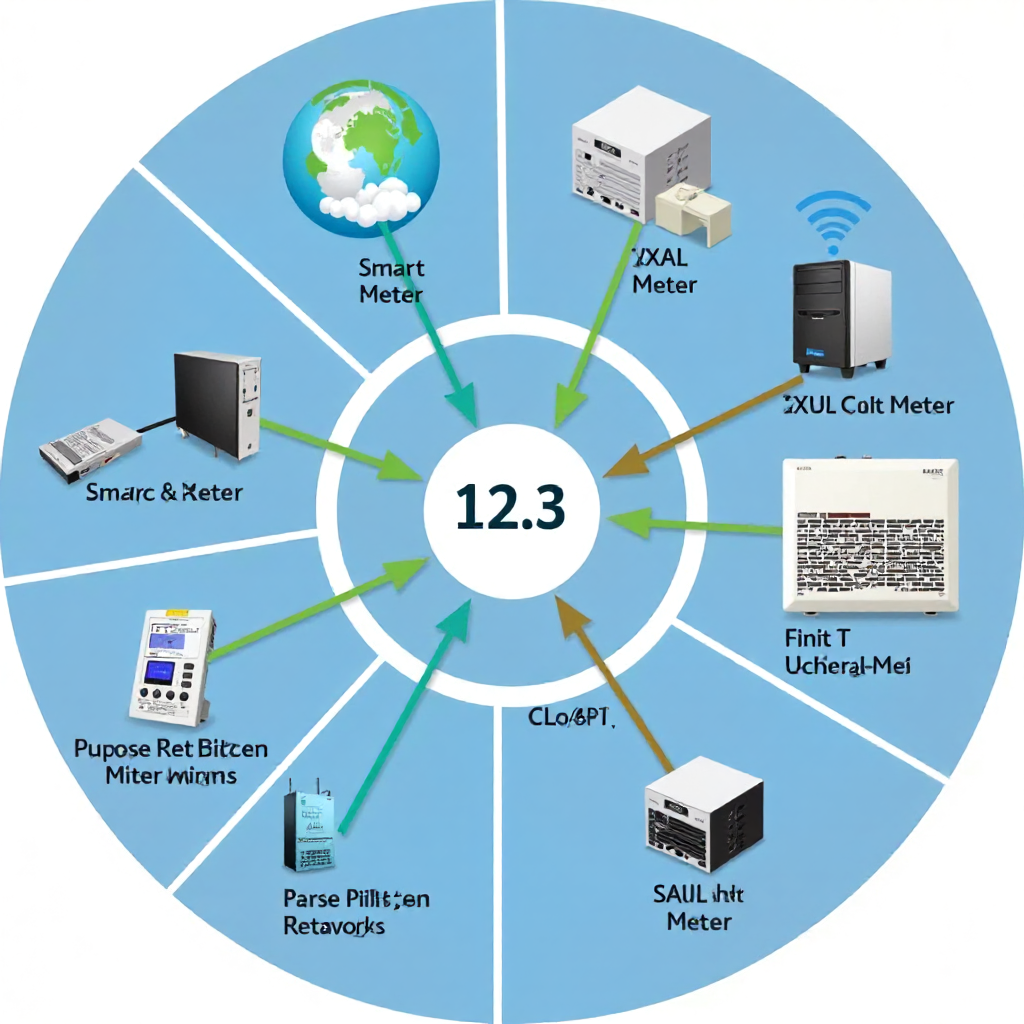
The biggest technical barriers in smart meter deployment are establishing seamless IoT connectivity, ensuring device interoperability, and integrating with existing energy management systems. Addressing these requires adopting open standards and scalable communication protocols like Zigbee, NB-IoT, or LoRaWAN, which support robust, long-range data transfer.

Utilities should prioritize end-to-end system testing and select meters compliant with industry interoperability standards to promote seamless operation with diverse hardware and software. Leveraging cloud-based platforms can simplify integration by centralizing meter data and providing real-time analytics, which improves grid responsiveness.

Regular firmware updates and proactive network maintenance help prevent outages and data inaccuracies. Utilities must also plan infrastructure upgrades as needed to support an expanding smart meter ecosystem without causing communication bottlenecks.

Addressing Regulatory and Security Concerns

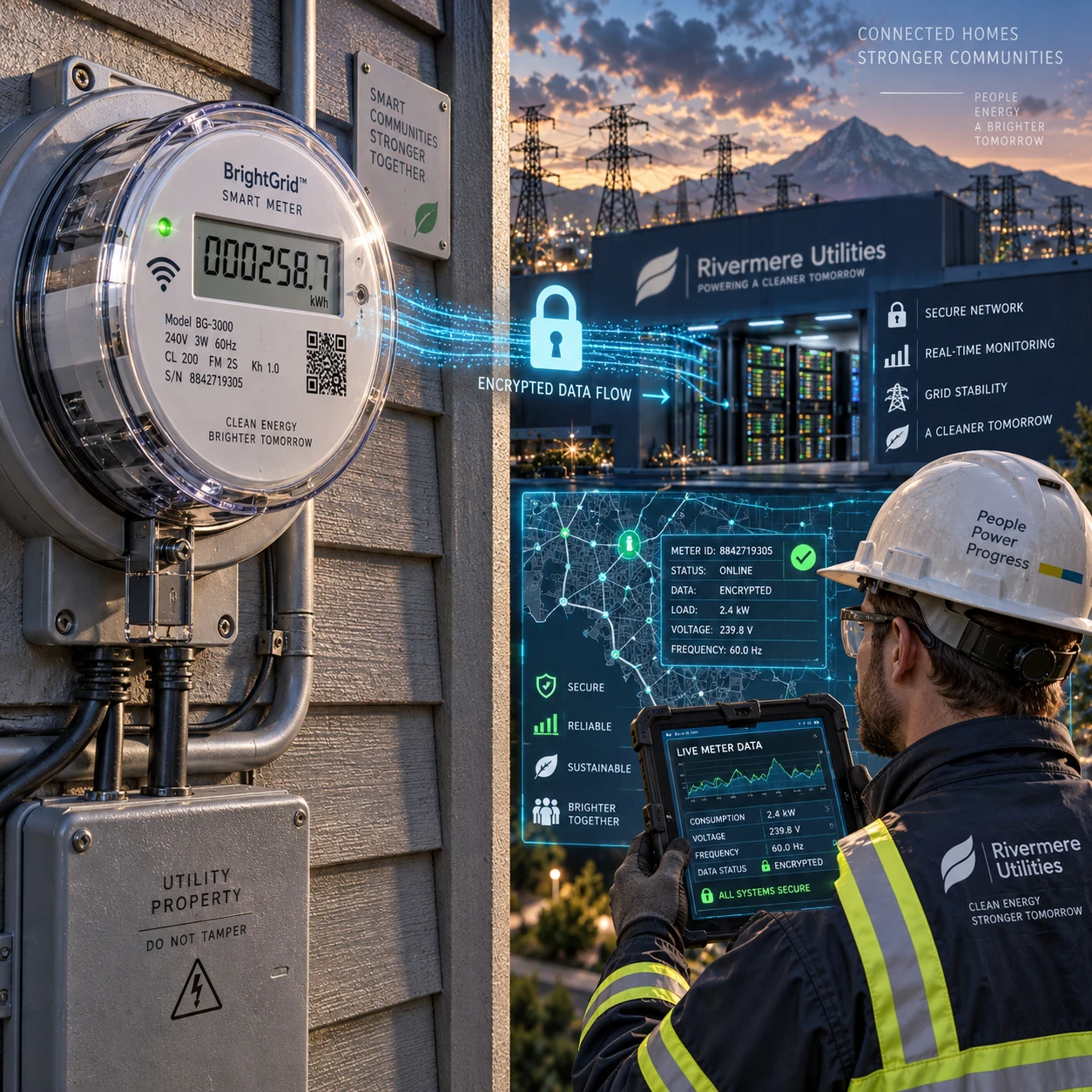
Regulatory compliance and data privacy and security are critical in smart meter deployment. Utilities must follow local and international regulations like GDPR or NIST frameworks that govern consumer data protection and operational security in energy systems.

Implementing strong encryption, secure authentication methods, and network segmentation reduces the risk of cyberattacks targeting smart meter networks. Additionally, utilities need clear policies for data ownership and transparent communication of security practices to build trust.

Regulatory authorities increasingly demand proof of compliance and security audits as part of the deployment process. To stay ahead, utilities should integrate security-by-design principles early in project planning and regularly update security measures as threats evolve.

Enhancing Consumer Acceptance and Engagement

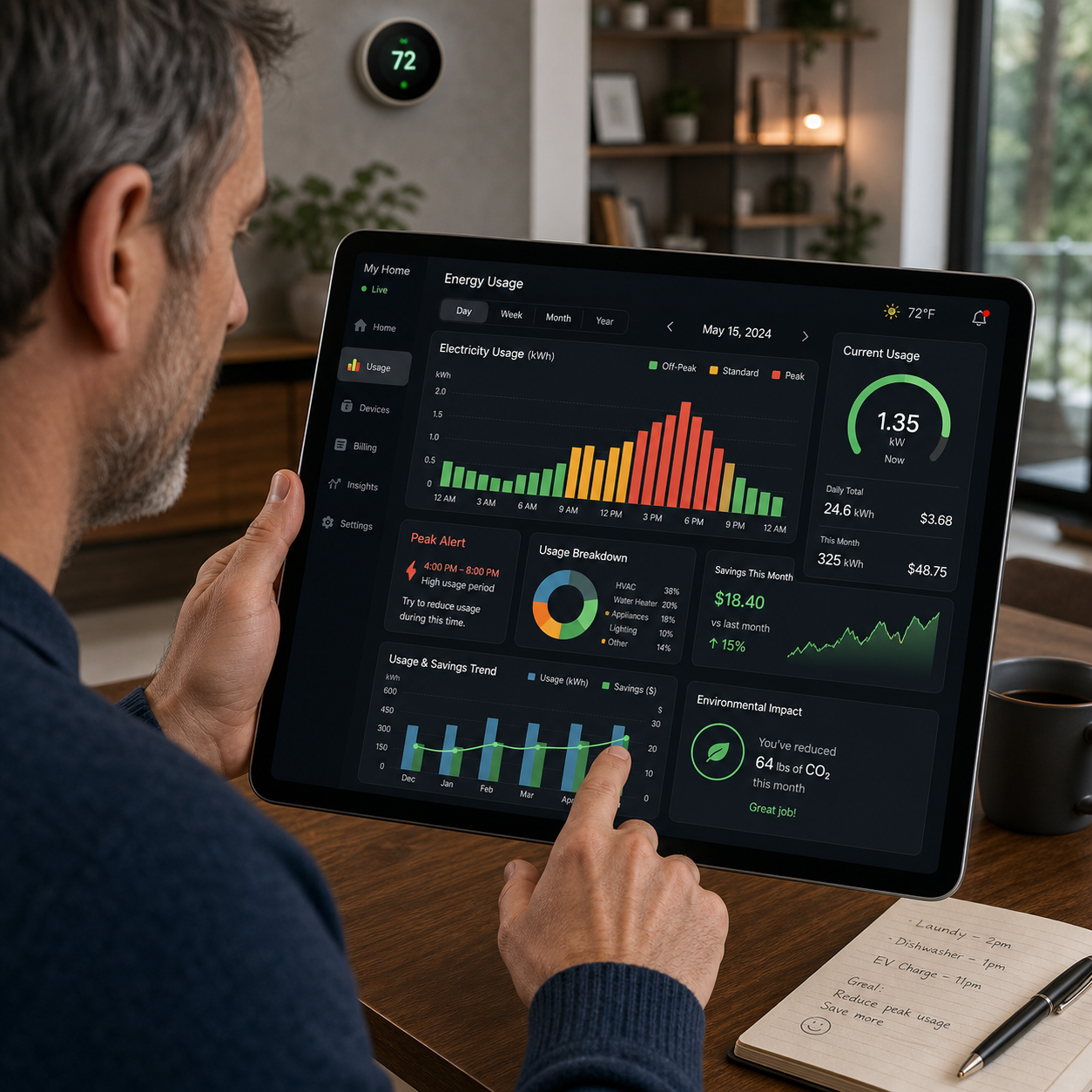
Consumer engagement is pivotal to overcoming skepticism and resistance to smart meter installation. Educating customers about the benefits, such as real-time energy usage insights and potential cost savings, directly improves acceptance rates.

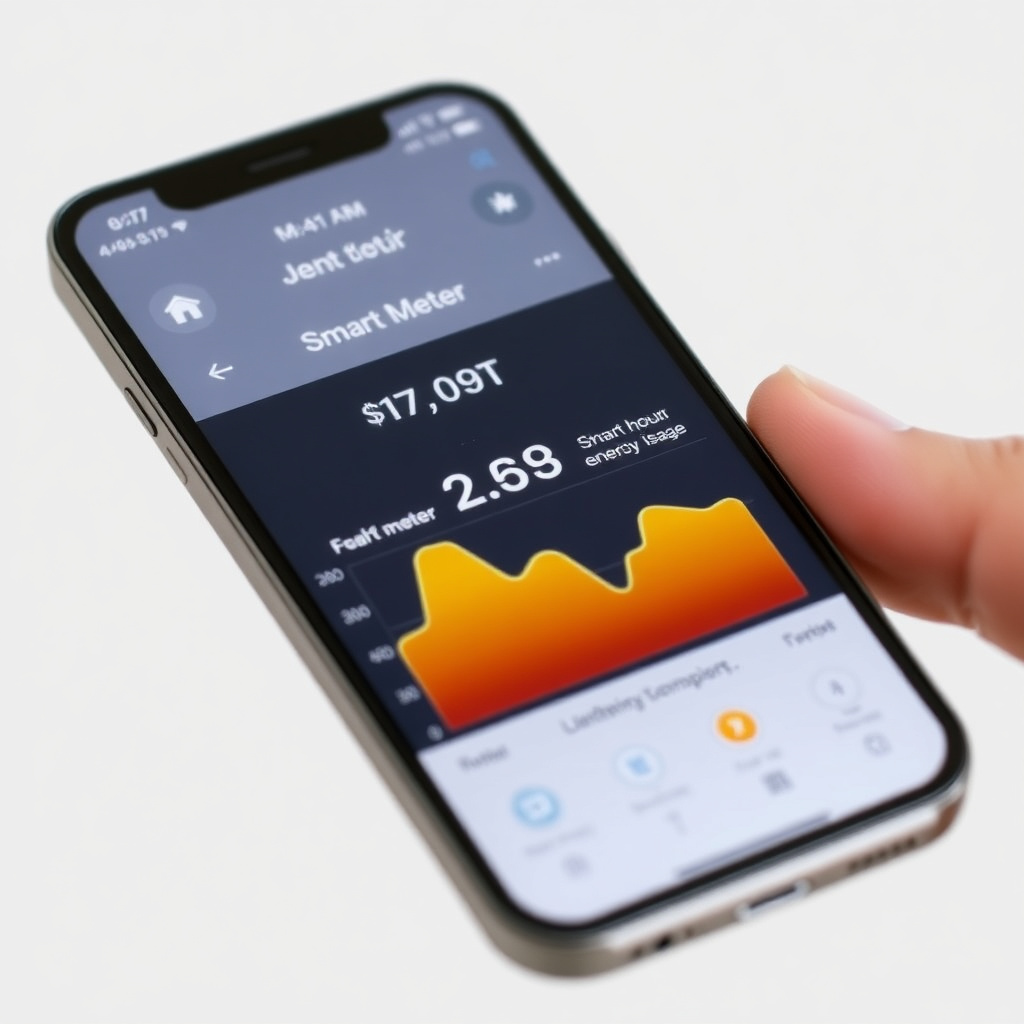
Addressing privacy concerns by explaining what data is collected, how it is used, and how it is protected empowers customers and builds confidence. Offering easy-to-use portals or apps where consumers can monitor their consumption fosters positive interactions with the technology.

Utility companies can further increase adoption by involving community leaders in awareness campaigns and providing incentives like bill credits for early adopters. Two-way communication channels for feedback also help address concerns promptly, making the smart meter rollout more transparent and customer-friendly.

Cost Considerations and Funding Solutions

Cost management is a significant challenge, as deploying smart meters involves capital expenses for hardware, installation, network infrastructure, and training. Utilities must balance upfront costs with long-term operational savings, such as reduced manual meter reading and improved outage detection.

Funding solutions include government grants, regulatory incentives, and public-private partnerships that lower financial risk and speed up deployment. Some regions offer subsidies or tax breaks to encourage investment in smart metering infrastructure.

Utilities should conduct detailed cost-benefit analyses, incorporating factors like meter lifespan, maintenance, and customer retention benefits to justify expenditures. Innovative models like pay-as-you-save or demand response programs can generate additional revenue streams supporting deployment funding.

Future Trends and Innovations in Smart Metering

Emerging technologies continue to simplify smart meter deployment and unlock new capabilities. Integration with advanced IoT devices, AI-driven analytics, and edge computing enhances data processing speed and grid resilience.

Additionally, developments in blockchain offer promise for secure, transparent energy transactions directly between consumers and utilities, promoting decentralized energy markets. Wireless power transfer and energy harvesting techniques could reduce dependence on batteries or power lines, easing installation logistics.

The evolution of user-friendly interfaces and voice-controlled energy management tools will deepen consumer engagement, while increased regulatory focus on cybersecurity will raise standards for future deployments.

FAQ

What are the main reasons for smart meter deployment failures?

Failures typically result from poor planning, lack of stakeholder buy-in, insufficient training, and weak technical integration. Unclear regulatory frameworks and unaddressed consumer concerns also contribute.

How can utilities improve data security with smart meters?

By implementing end-to-end data encryption, multi-factor authentication, regular security audits, and adopting industry cybersecurity standards like NERC CIP or NIST, utilities can protect against cyber threats.

What incentives exist to support smart meter rollout?

Many governments offer grants, tax incentives, or favorable regulatory treatment to encourage utilities to invest in smart metering infrastructure. Some programs focus on reducing deployment costs or rewarding energy efficiency improvements.

How do smart meters benefit consumers and utilities?

Consumers gain detailed energy usage information and potential cost savings through better demand management. Utilities benefit from automated meter reading, faster outage detection, and more efficient grid operation.

What technologies help overcome connectivity challenges?

Low-power wide-area networks (LPWAN) like NB-IoT, LoRaWAN, and mesh networks provide reliable, scalable communication options tailored for smart meter data transmission over various geographic areas.

{{HOMEPAGE_LINKS}}