






How Smart Meter Technology Is Transforming Energy Theft Detection
What Is Energy Theft and Why Does It Matter
Energy theft is the unauthorized consumption of electricity or gas — deliberately taking power without paying for it. It takes several forms: physically bypassing a meter, tampering with internal components to slow the reading, making illegal connections to the grid upstream of any metering point, or using someone else's account credentials to avoid billing. Each method has the same outcome: real energy is consumed, but the cost lands on someone else.
The financial scale is significant. Globally, non-technical losses (NTL) — the industry term for energy lost to theft, fraud, and metering errors rather than physical transmission losses — are estimated to cost the energy sector tens of billions of dollars annually. In some developing grid networks, NTL can represent 20–30% of total distributed energy. Even in mature markets, losses routinely run into the hundreds of millions per country.
Those costs don't disappear. Utility companies recover them through higher tariffs, which means honest consumers effectively subsidize theft. Grid reliability also suffers: illegal connections create unplanned loads, overload infrastructure, and introduce safety hazards. Understanding the scope of the problem is what makes smart meter technology's role in detection so consequential.
The Limitations of Traditional Meter Systems
Legacy analog meters were never designed with fraud detection in mind. A spinning disc meter records cumulative consumption accurately under normal conditions, but it offers almost no visibility into how that consumption happens — or whether the meter itself has been interfered with.
Utility staff could only read meters monthly or quarterly, usually by visiting the property. That gap between readings meant a theft could run undetected for months. Worse, determining whether a low reading reflected genuine low usage or meter tampering required a physical inspection — expensive, time-consuming, and easy to game with advance notice.
Meter tampering with analog devices is also relatively straightforward for someone motivated to try: placing a magnet near older electromechanical meters can slow the disc, and some models can be reversed or bypassed with basic tools. Without automated alerts or remote monitoring, utilities were largely reactive — only discovering theft after a tip-off, a billing anomaly spotted by a human analyst, or a routine audit. The system rewarded patience over vigilance.
How Smart Meters Work — A Quick Overview
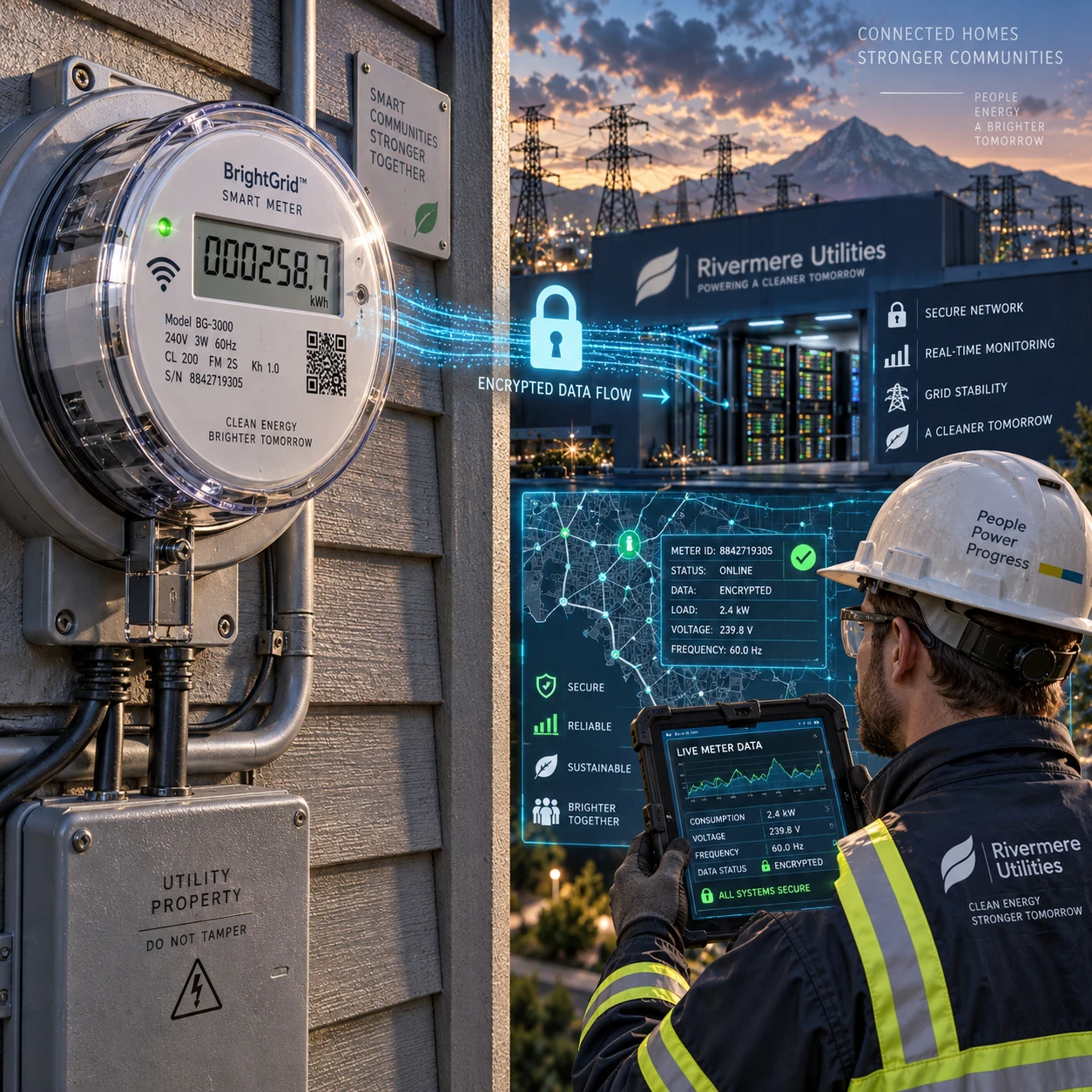
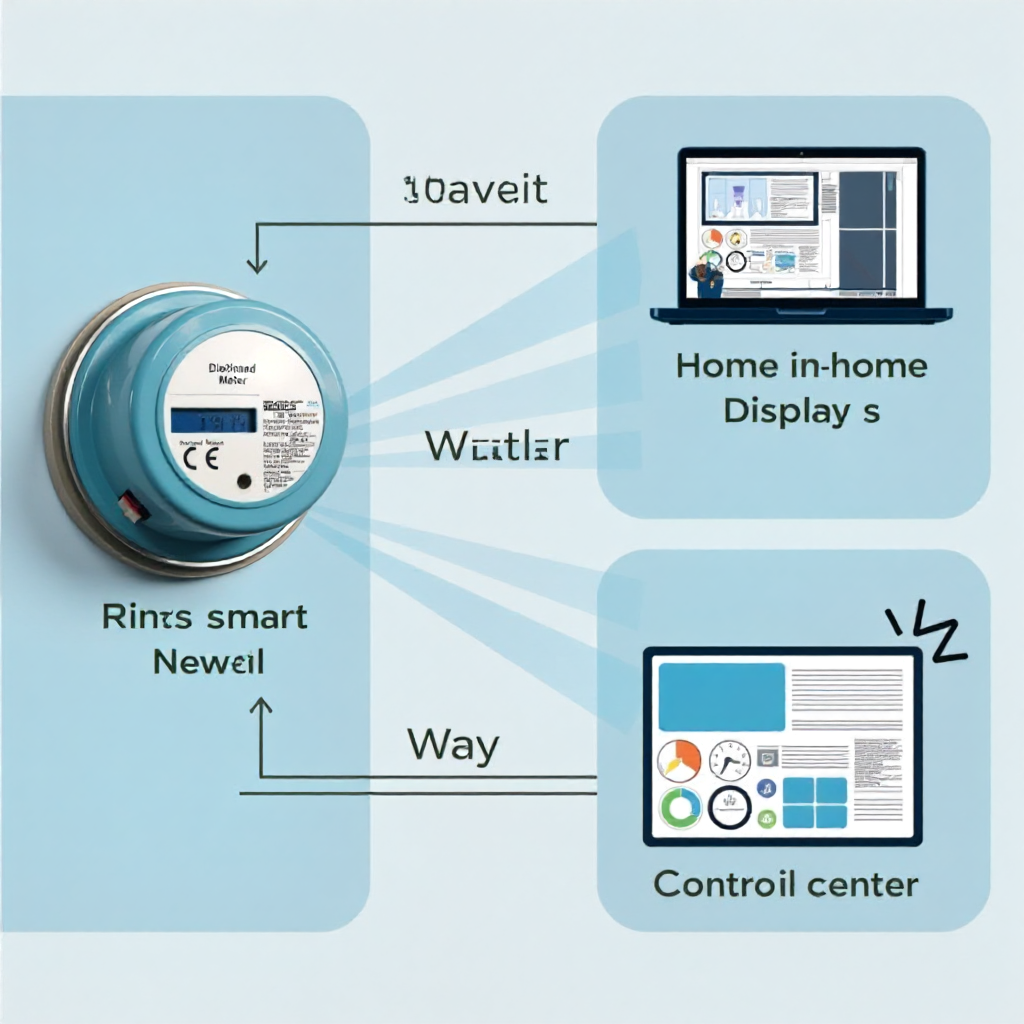
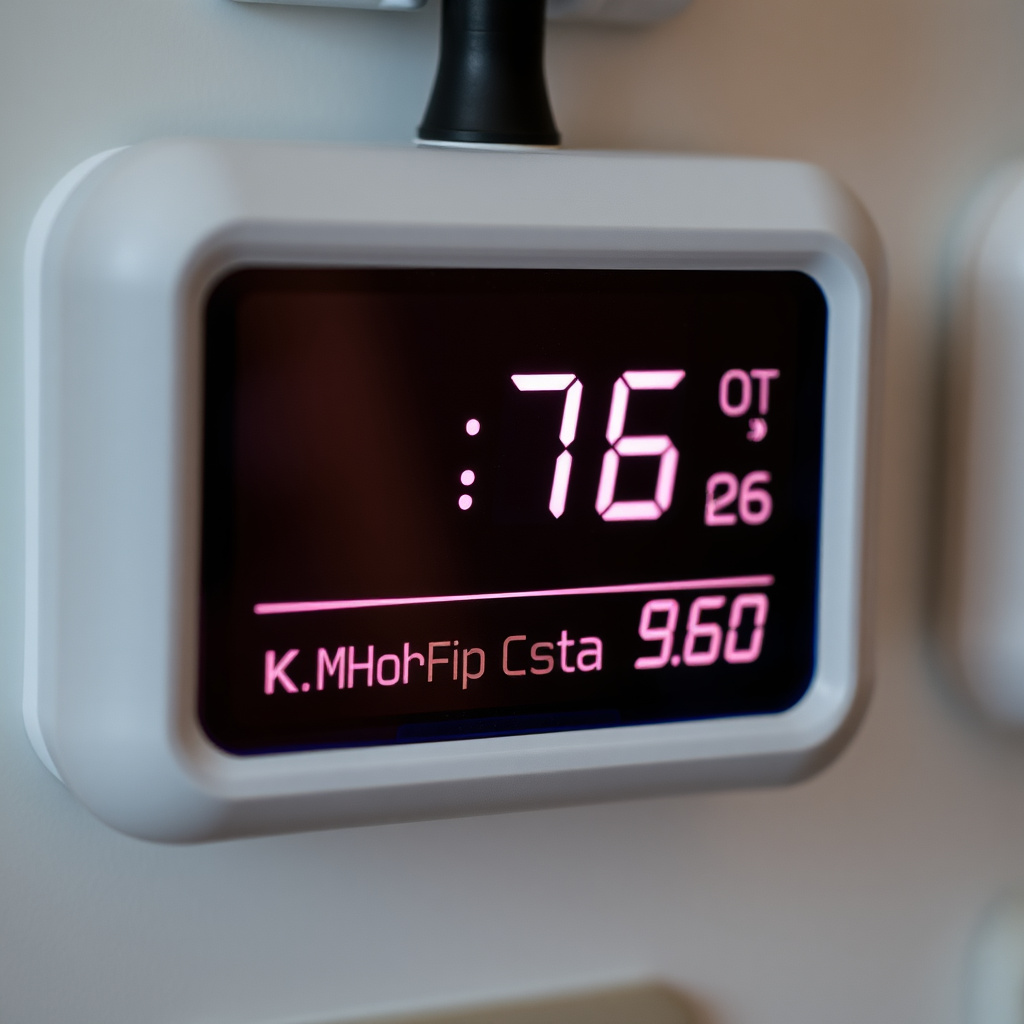
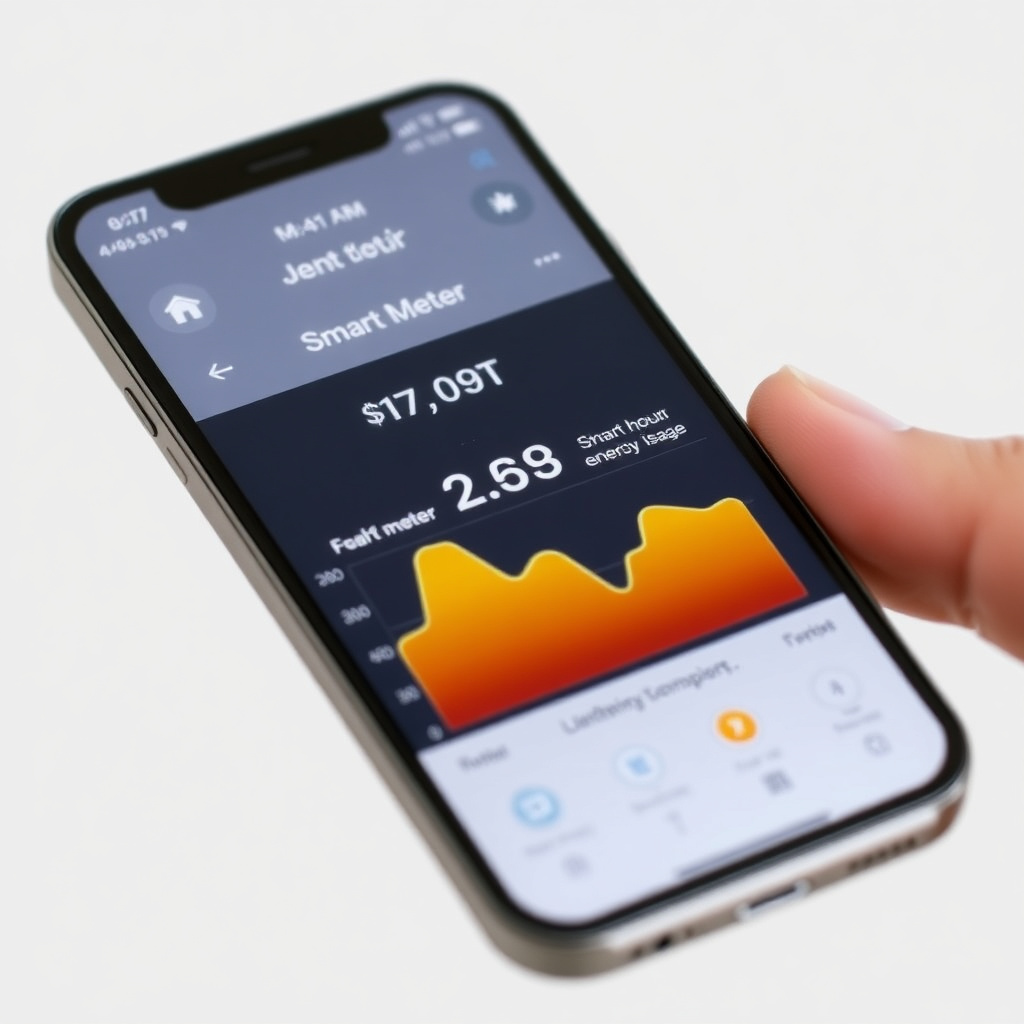
A smart meter is a digital metering device connected to Advanced Metering Infrastructure (AMI) — a network that enables two-way communication between the meter at the customer's premises and the utility's back-end systems. Unlike a passive analog meter, a smart meter continuously records consumption data in short intervals (typically every 15 or 30 minutes) and transmits that data automatically.
The communication layer is what changes everything. Data flows not just from meter to utility, but also in the other direction: utilities can send commands to the meter remotely, including requests for diagnostic information or instructions to disconnect supply. This bidirectional link is the foundation on which all modern theft detection capabilities are built.
Most AMI deployments also include tamper-evident hardware — physical sensors that detect events like the meter cover being opened, strong magnetic fields, or unusual current flow patterns. These hardware signals feed directly into the data stream, creating a timestamped record of any suspicious physical interaction with the device.
Key Detection Methods Smart Meters Use
Smart meters detect energy theft through a combination of hardware sensors, granular consumption data, and automated comparison against expected baselines. No single method catches every case, but together they create a detection net that analog systems simply cannot match.
Load Profile Analysis
Load profile analysis compares a customer's consumption pattern over time against their own historical data and against similar accounts in the same area. A household that suddenly drops from 400 kWh per month to 80 kWh — with no change in occupancy or season — is statistically anomalous. That flag triggers a review, not an accusation, but it creates an investigative lead that would never have surfaced from a monthly manual read.
Tamper Alerts and Physical Sensors
Modern smart meters generate real-time tamper alerts when specific physical events occur: the terminal cover being opened, a strong magnetic field detected near the measurement coil, or the meter being tilted or removed. These alerts are timestamped and transmitted immediately, giving utilities a precise record of when an interference event occurred — information that is directly useful in any subsequent investigation or legal proceeding.
Voltage and Current Irregularity Monitoring
Smart meters also monitor the relationship between voltage and current continuously. If current is flowing through a premises but the meter isn't registering it — or if there's a measurable discrepancy between the supply entering a distribution transformer and the sum of consumption recorded by all downstream meters — that imbalance points to an unmetered connection or a bypassed meter. This transformer-level reconciliation is one of the most reliable indicators of theft in residential clusters.
The Role of Data Analytics and Algorithms
At scale, smart meter data requires automated analysis. A utility serving half a million customers generates hundreds of millions of data points daily — far beyond what human analysts can review manually. This is where anomaly detection algorithms and data analytics become essential.
Utility companies apply statistical models that establish a consumption baseline for each account, accounting for seasonality, property type, historical patterns, and neighborhood norms. Accounts that deviate significantly from their predicted range are scored by risk level and queued for investigation. The most sophisticated deployments use machine learning techniques — trained on confirmed theft cases — to recognize the specific consumption signatures associated with different theft methods, such as the gradual decline typical of a slowed meter versus the sudden drop of a bypass.
It's worth being precise about what machine learning does here: it improves the prioritization of investigation queues, not the legal determination of guilt. An algorithm flags an account as suspicious; a field technician and an energy audit confirm whether theft actually occurred. The technology accelerates detection and focuses resources — it doesn't replace human judgment in the enforcement process.
What Happens After Theft Is Detected
Once a smart meter flags suspicious activity, the utility response follows a structured process. The first step is usually remote disconnection — utilities can cut supply to a flagged account instantly without sending a technician, which stops ongoing theft immediately and signals to the account holder that an issue has been identified.
A field investigation follows. A technician visits the premises to inspect the meter physically, check for bypass connections, and document the condition of the equipment. If tampering is confirmed, an energy audit is conducted to estimate how much energy was stolen and over what period. This reconstruction typically uses the account's historical consumption data alongside the average consumption of comparable properties.
The consequences vary by jurisdiction and severity. In most cases, the customer is billed for the estimated unmetered consumption going back to the point when theft is believed to have started. In cases involving deliberate tampering or large-scale fraud, utilities pursue civil recovery or refer the matter to law enforcement for criminal prosecution. The combination of timestamped tamper alerts, consumption records, and field evidence makes smart meter data highly useful as supporting documentation in these proceedings.
Benefits Beyond Detection — Broader Impact on Grid Integrity
Reducing non-technical losses is the most direct benefit, but smart meters deliver broader grid integrity improvements that compound over time. Accurate, interval-level billing data eliminates the estimation errors that sometimes obscure theft in aggregate billing systems. Customers are billed for what they actually use, which removes one of the ambiguities that historically made it hard to distinguish genuine low consumption from a tampered meter.
The deterrence effect is also real. When customers know their consumption is monitored continuously and that tamper events generate immediate alerts, the risk calculation for would-be offenders changes. Theft that was once low-risk — a slow meter that might go unnoticed for a year — becomes a much faster path to detection and consequences.
For utility companies, the operational savings extend beyond recovered revenue. Fewer truck rolls for manual reads, more targeted field investigations, and faster response to outages and infrastructure faults all reduce operational costs. The U.S. Department of Energy's AMI resources document many of these grid-level benefits across large-scale deployments.
Frequently Asked Questions
Can smart meters detect all types of energy theft?
No single technology catches every method. Smart meters are highly effective at detecting meter tampering, bypassed connections, and consumption anomalies — but theft that occurs upstream of any meter, such as a direct line tap to the distribution network, may require transformer-level reconciliation rather than meter-level data alone. Detection improves when AMI data is combined with network-level monitoring.
How quickly can a utility identify suspicious meter activity?
Physical tamper alerts are transmitted in near real-time — often within minutes of the event. Consumption anomalies identified through load profile analysis typically surface within one to three billing cycles, depending on how frequently the utility runs its detection algorithms. Some utilities run daily anomaly scans; others process data weekly.
Does having a smart meter mean my usage is constantly monitored?
Smart meters record and transmit interval consumption data automatically. That data is used for billing, grid management, and anomaly detection. Utilities do not monitor individual accounts in real time in the way a surveillance system would — automated algorithms flag statistical outliers, which then receive human attention. Most jurisdictions have data privacy regulations governing how meter data can be stored and used.
What should I do if I suspect my neighbor is stealing electricity?
Contact your utility company directly. Most energy providers have a dedicated line or online form for reporting suspected theft. You don't need evidence — a report is enough to prompt a review. Utilities take these reports seriously because unmetered consumption affects the distribution infrastructure serving the entire area, not just the account involved.
Are smart meter tamper alerts always accurate, or can they produce false positives?
False positives do occur. A strong magnetic field from nearby equipment, a meter being legally replaced or repositioned, or a power surge can sometimes trigger alerts that turn out to have innocent explanations. This is why tamper alerts initiate an investigation rather than an automatic penalty. Field verification remains a necessary step before any enforcement action is taken.