

Top 10 Benefits of Smart Metering for Households
Energy bills are one of the biggest recurring costs for any household, yet most people have very little visibility into where that money actually goes. Smart meters are changing that. By replacing traditional meters with connected devices that track consumption in real time, households gain a level of control over their energy use that simply wasn't possible before. Here's what that means in practice.
What Is a Smart Meter and How Does It Work?
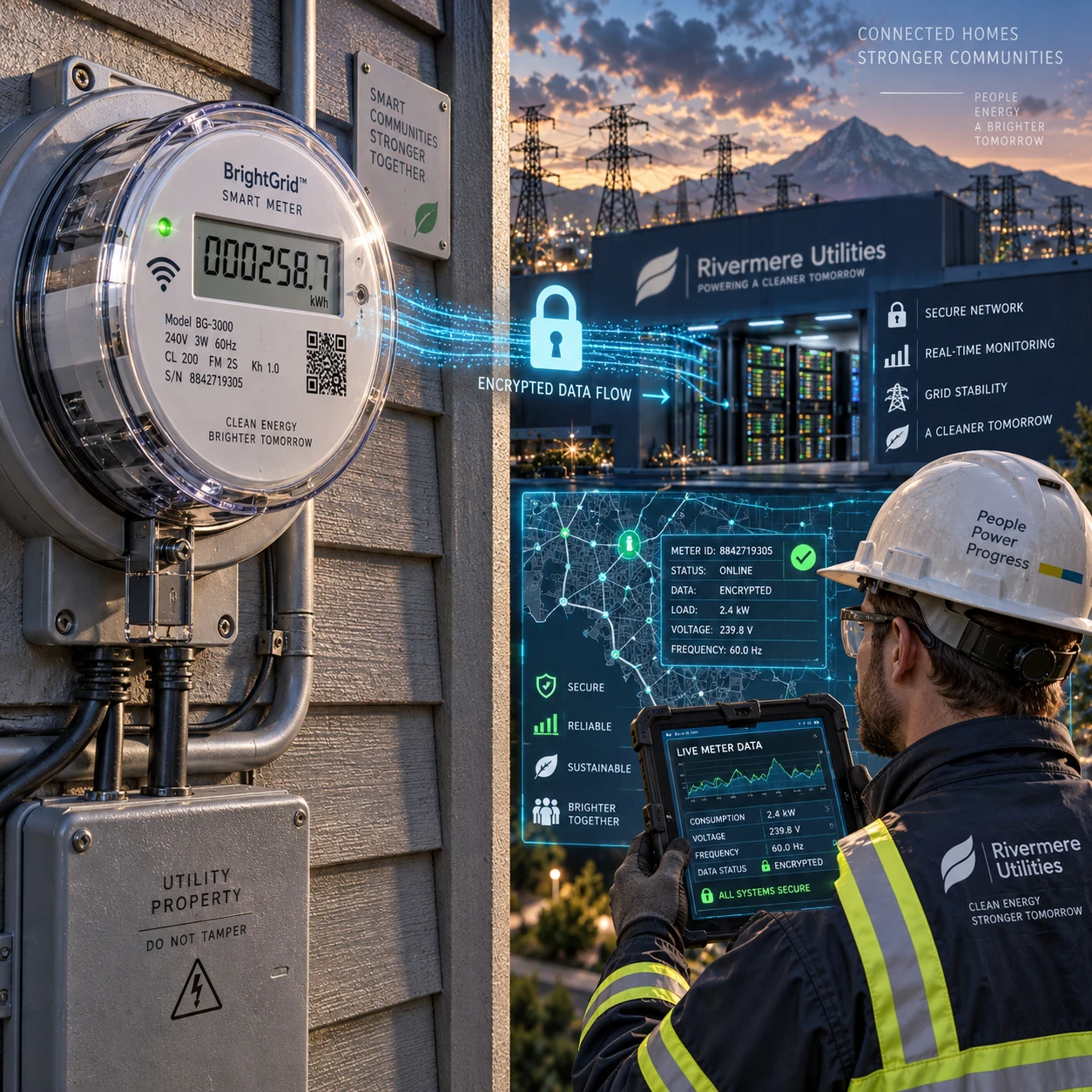
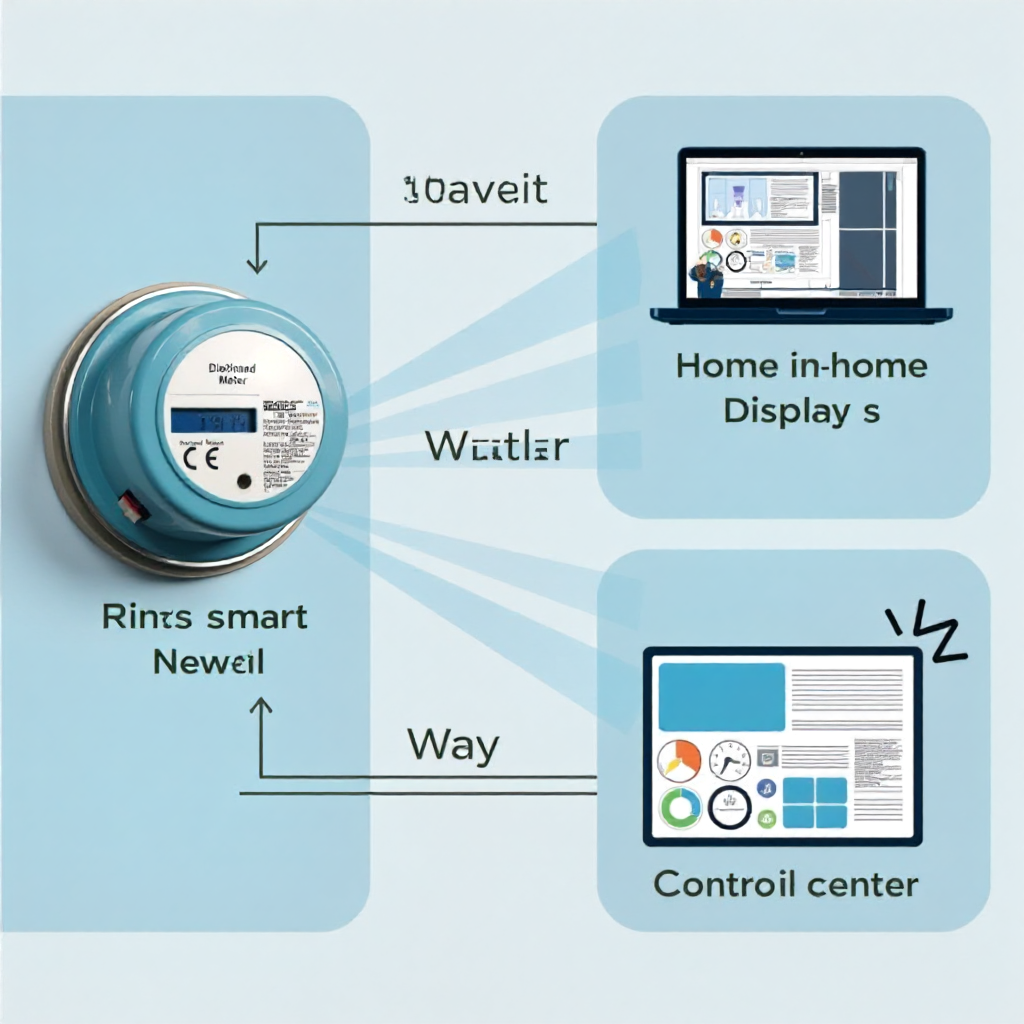
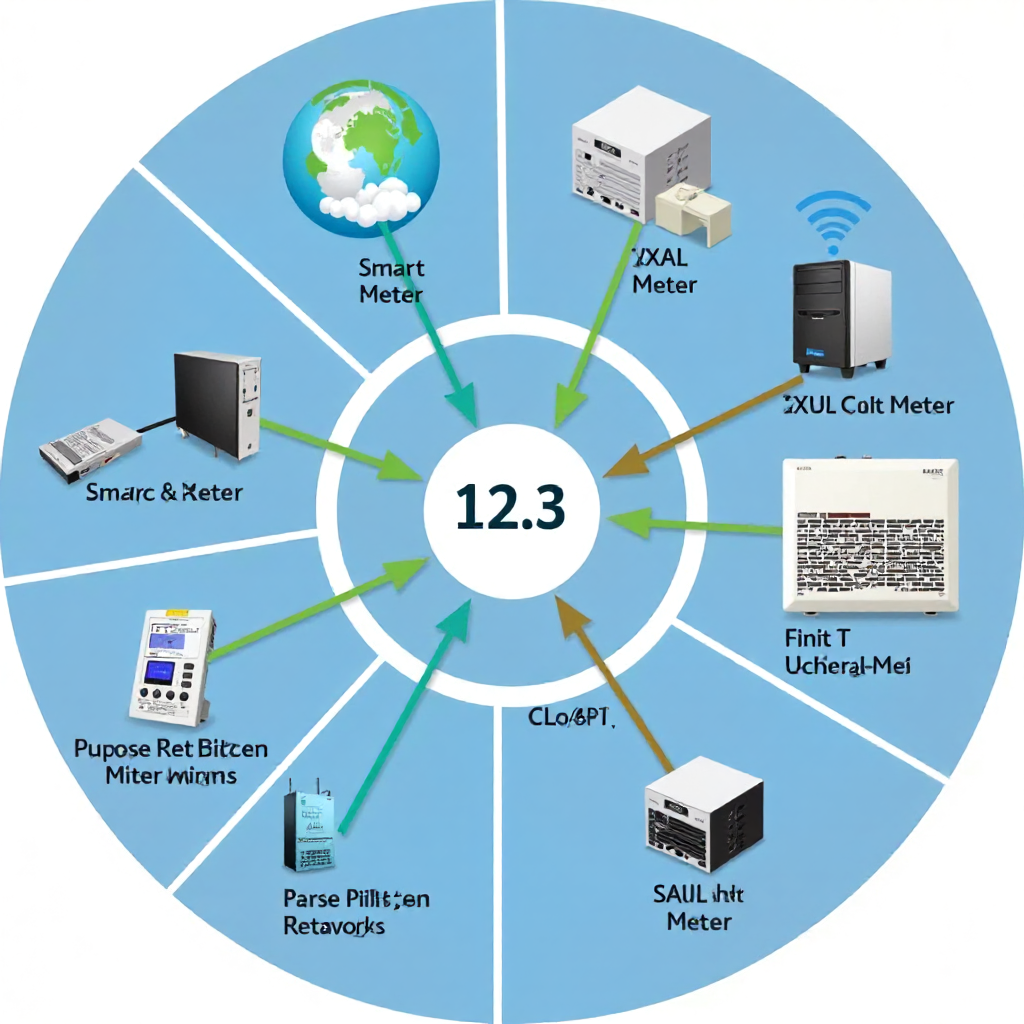
A smart meter is a digital device that automatically records your gas and electricity consumption and sends that data directly to your energy supplier — no manual readings required. Unlike a traditional meter, which simply accumulates a total, a smart meter captures usage in intervals (typically every 30 minutes) and transmits the data wirelessly.
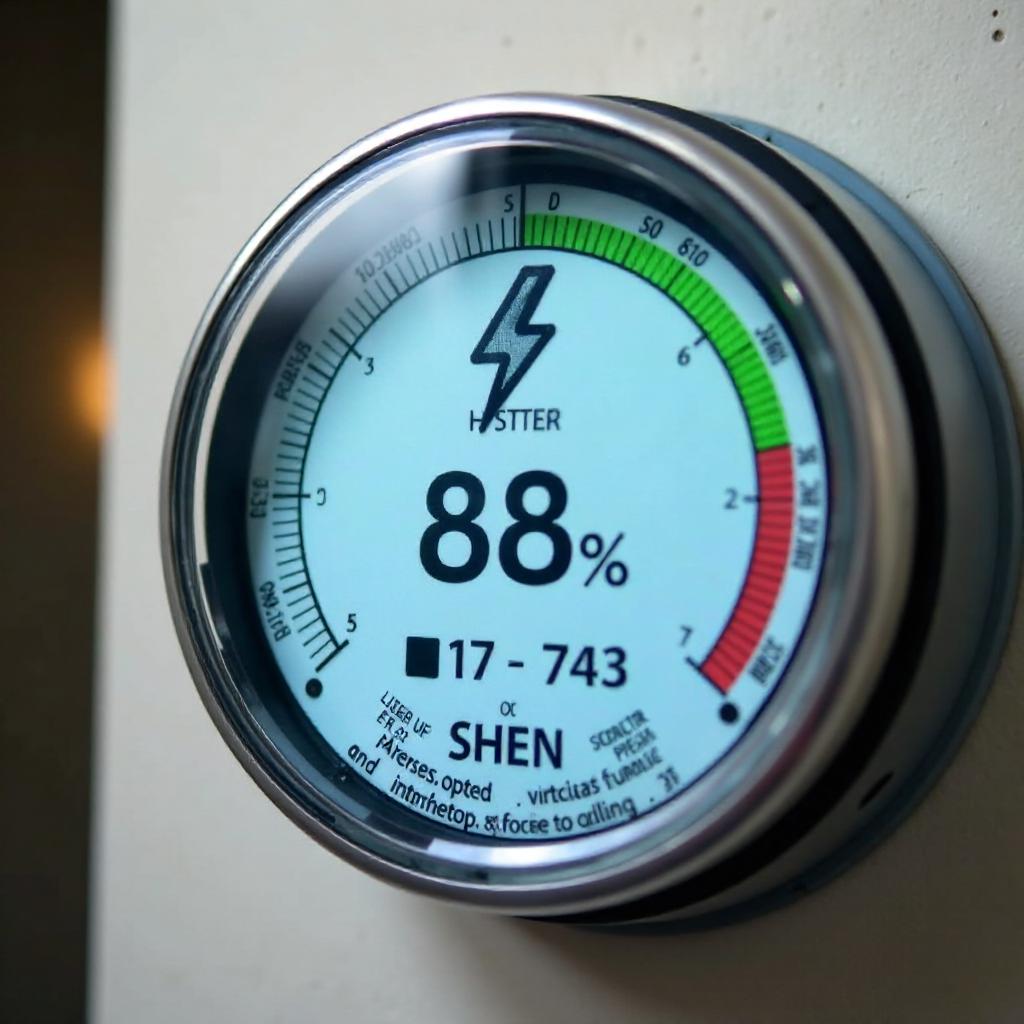
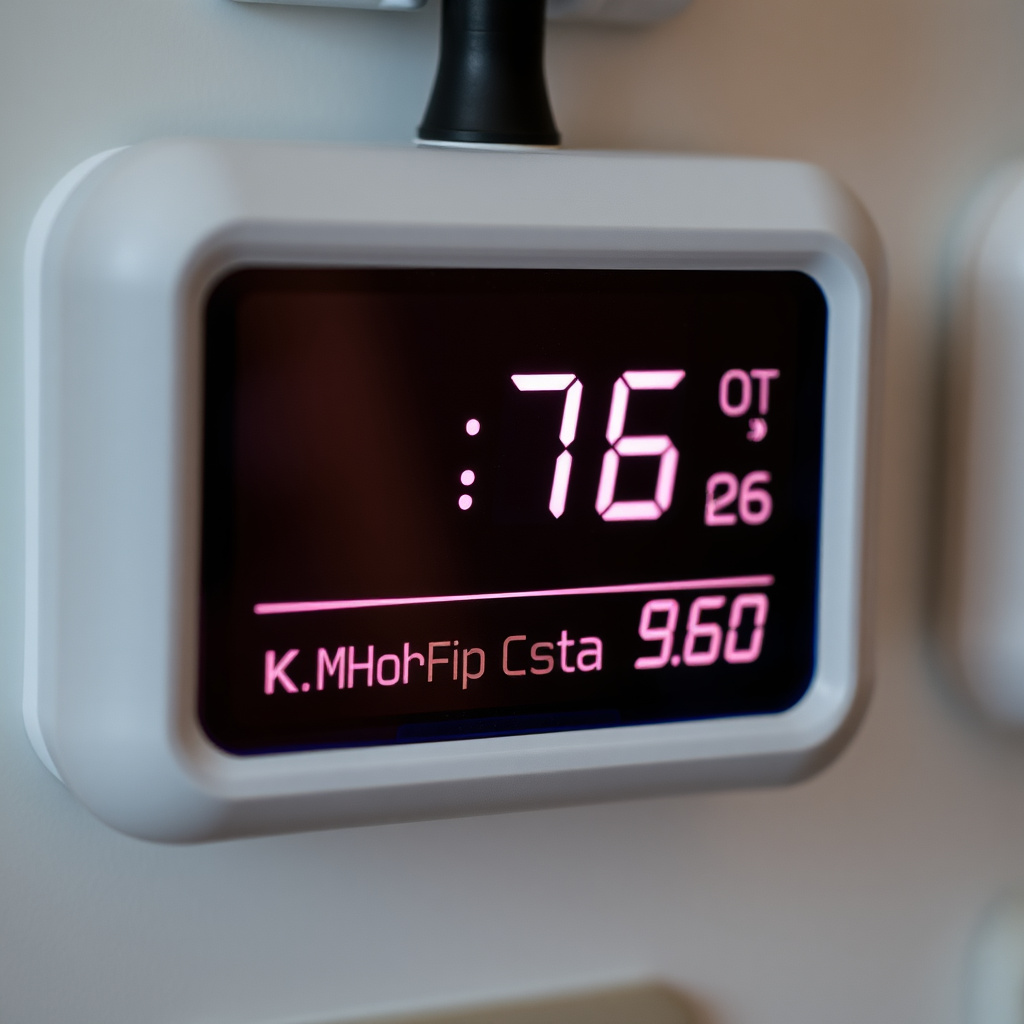
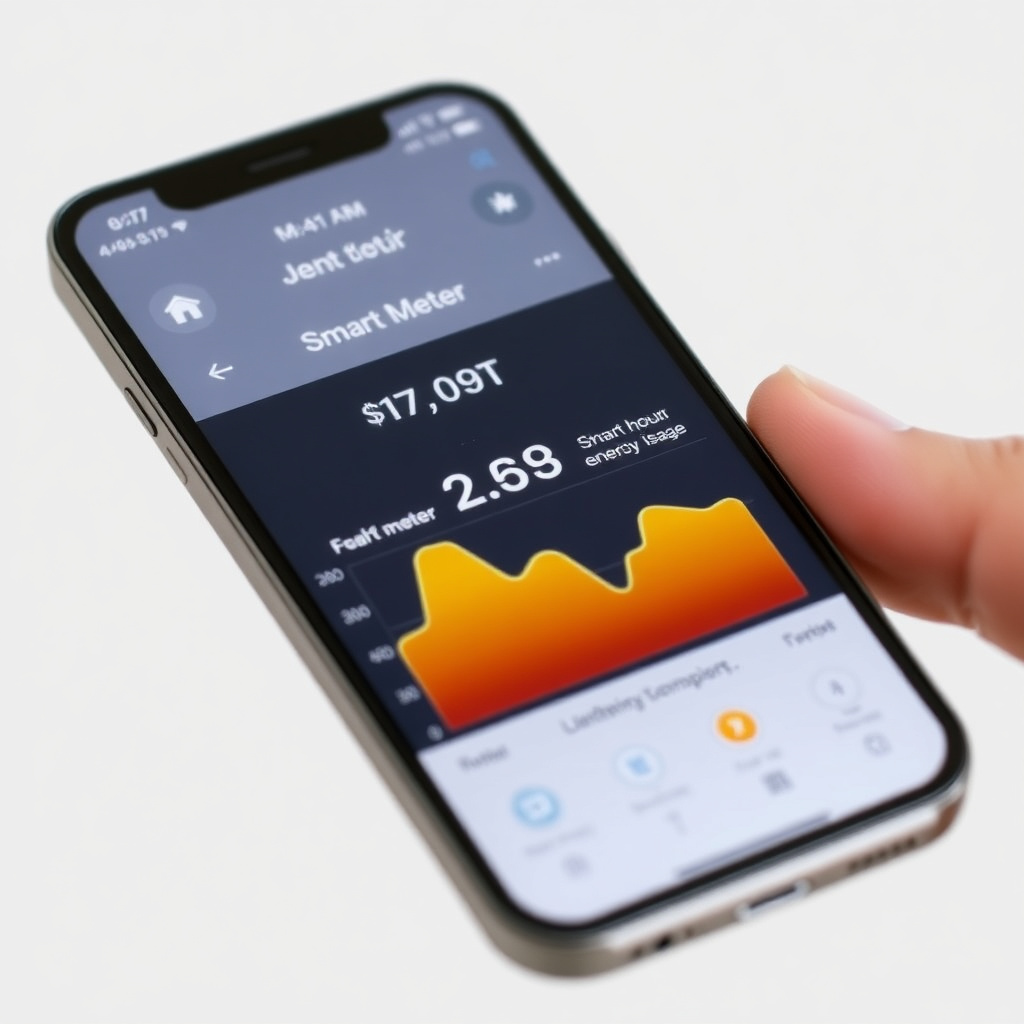
Most smart meter installations include an in-home display (IHD) — a small screen that shows your current energy consumption, cost, and usage history in near real time. Many suppliers also offer companion apps that put the same data on your phone. The meter communicates with your utility provider through a secure national network, forming part of the broader smart grid infrastructure that helps balance energy supply and demand across the country.
The technology itself is straightforward. What matters more is what you can do with the information it provides.
Accurate Billing Based on Real Usage
Smart meters eliminate estimated bills by sending actual consumption data directly to your energy supplier. This is one of the most immediate and tangible benefits for households.
With a traditional meter, suppliers often rely on estimated readings between your manual submissions. Those estimates can be wrong — sometimes significantly. You might overpay for months and receive a surprise credit, or underpay and face a large catch-up bill. Neither is convenient, and billing disputes are a common source of frustration.
Actual billing removes that uncertainty entirely. Every bill reflects exactly what you used, nothing more. For households on fixed incomes or tight budgets, that predictability has real value. You know what you owe, and so does your supplier.
Real-Time Energy Monitoring at Home
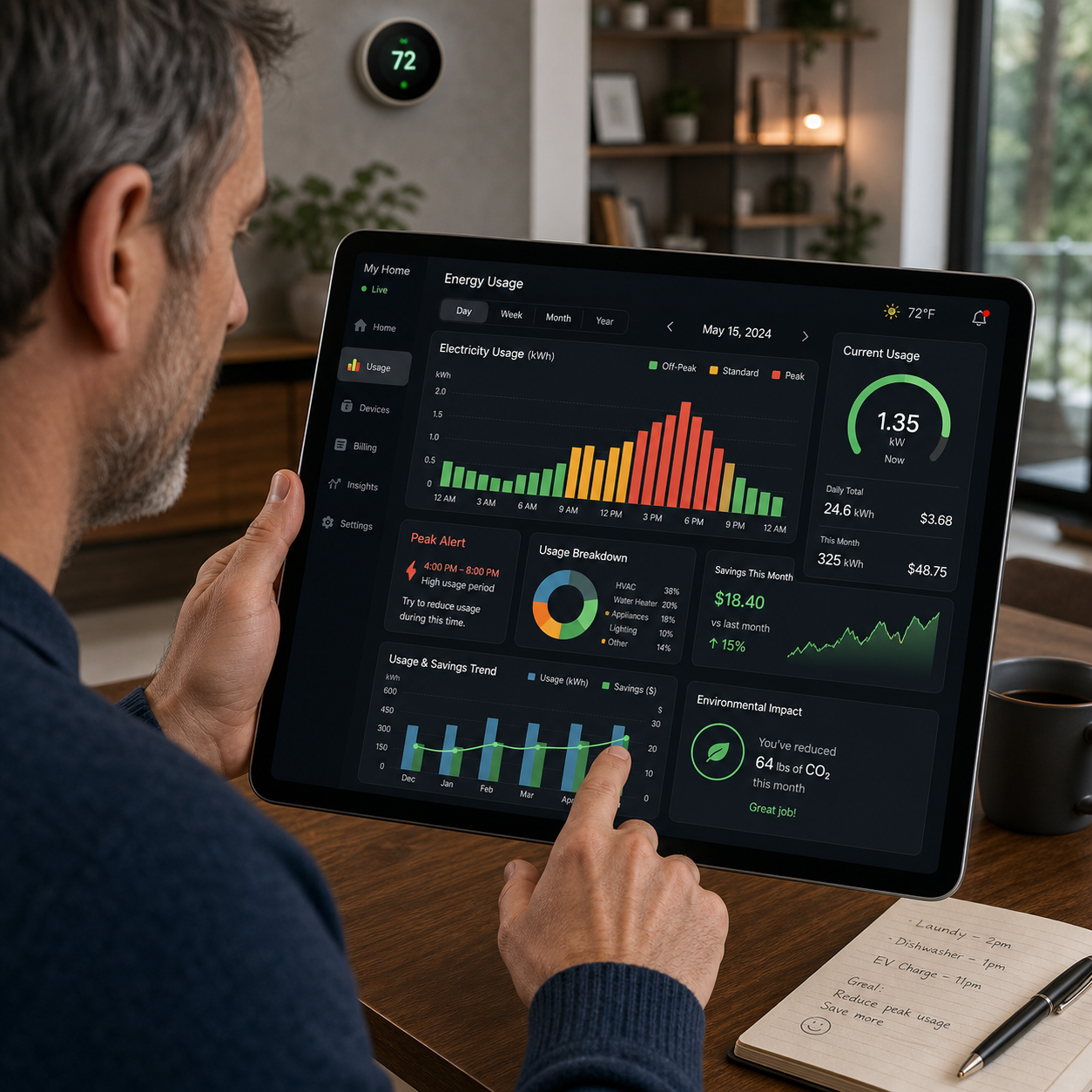
Real-time monitoring lets you see your energy consumption as it happens, giving you the information needed to make smarter decisions throughout the day. The in-home display shows live usage in kilowatt-hours and cost, so you can immediately see the impact of turning on the oven, running the dishwasher, or switching off a standby device.
This kind of visibility changes behavior in ways that abstract billing never could. When you can see that your electric shower costs roughly the same as leaving ten lights on all day, the trade-offs become concrete. Companion apps extend this further, letting you review hourly and daily usage patterns, set spending targets, and track progress over time.
For households with children, the IHD also works as a practical teaching tool — making energy use tangible rather than invisible.
Lower Energy Bills Through Behavioral Change
Smart meters don't reduce bills automatically, but the data they provide gives households the tools to do it themselves. Studies consistently show that households with access to detailed consumption data reduce their energy use compared to those without it — typically in the range of 3–5% for electricity, with higher reductions possible for motivated households.
The mechanism is straightforward: visibility leads to awareness, awareness leads to action. Once you can see which appliances are the biggest consumers, you can prioritize where to cut back. Common changes include:
- Shifting high-consumption tasks (laundry, dishwashing) to off-peak hours
- Identifying appliances left on standby unnecessarily
- Spotting heating or cooling inefficiencies in the home
- Tracking the impact of energy-saving upgrades like LED lighting or insulation
Households on time-of-use tariffs — pricing structures where electricity costs less during off-peak periods — can benefit even more. Smart meters are a prerequisite for these tariffs, since the supplier needs granular consumption data to bill accurately by time of day. Shifting even a portion of your usage to cheaper hours can meaningfully reduce your annual bill.
Faster Fault Detection and Outage Response
Smart meters help utility providers detect faults and power outages faster, which means shorter disruptions for households. With a traditional meter, a supplier only knows your power is out when you call to report it. With a smart meter, the absence of a signal from your device can alert the network automatically.
This matters most during large-scale outages, where suppliers can map affected areas in real time rather than piecing together reports from individual customers. Restoration crews can be dispatched more efficiently, and households are less likely to sit in the dark wondering whether anyone knows there's a problem.
On a smaller scale, unusual consumption patterns detected by the meter can flag potential faults in appliances or wiring — giving households an early warning before a minor issue becomes a costly repair.
Supporting a Greener Home and a Smarter Grid
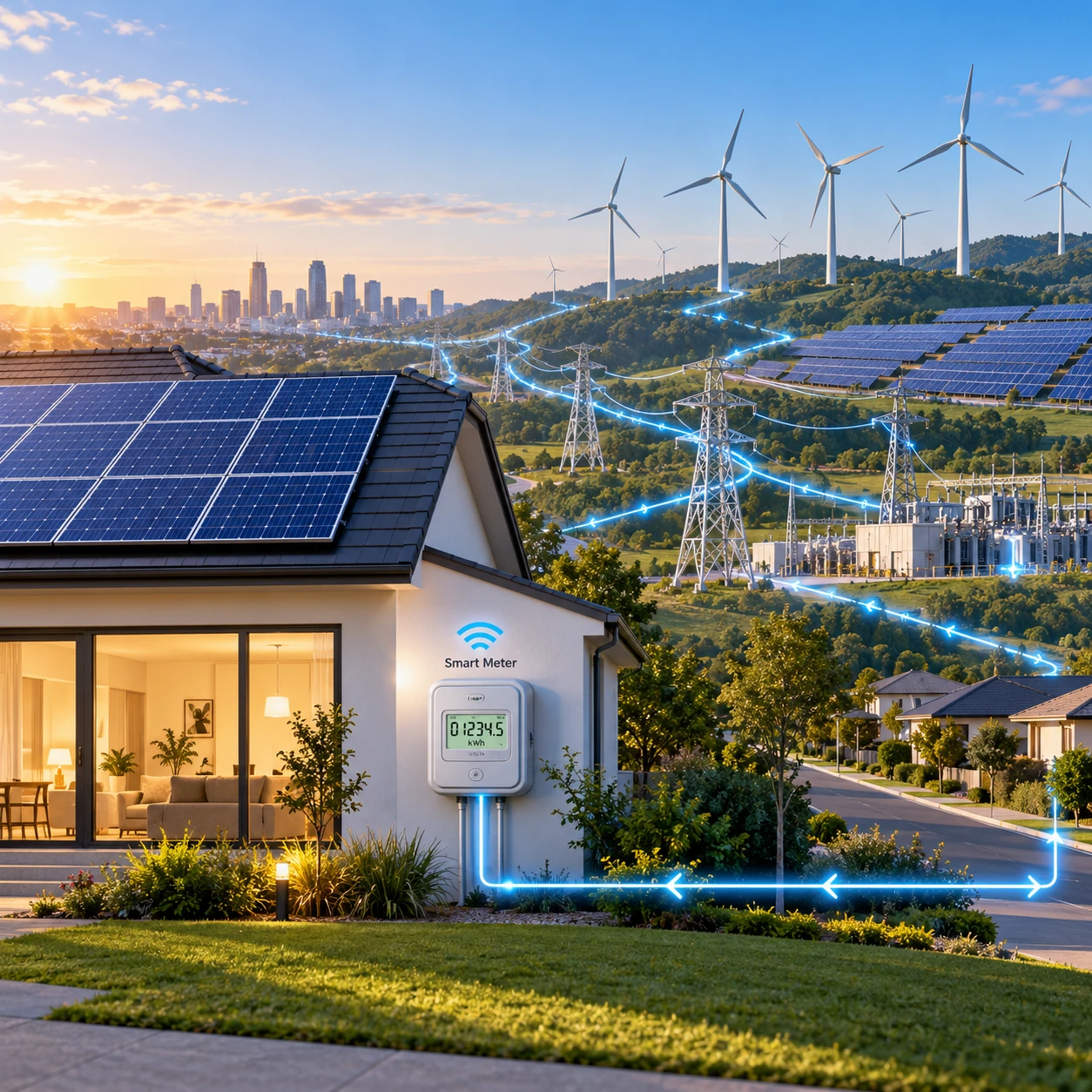
Smart meters connect household energy use to broader environmental goals, helping reduce your carbon footprint while contributing to a more stable national grid. At the household level, the behavioral changes driven by real-time data translate directly into lower emissions — less energy consumed means less generation required, and that matters regardless of your energy mix.
At the grid level, smart meters enable demand response programs, where households agree to reduce consumption during peak periods in exchange for incentives. When millions of homes participate, the collective effect is significant: grid operators can balance supply and demand without firing up additional fossil fuel generation. You can learn more about how demand response works through resources like the U.S. Department of Energy's demand response overview.
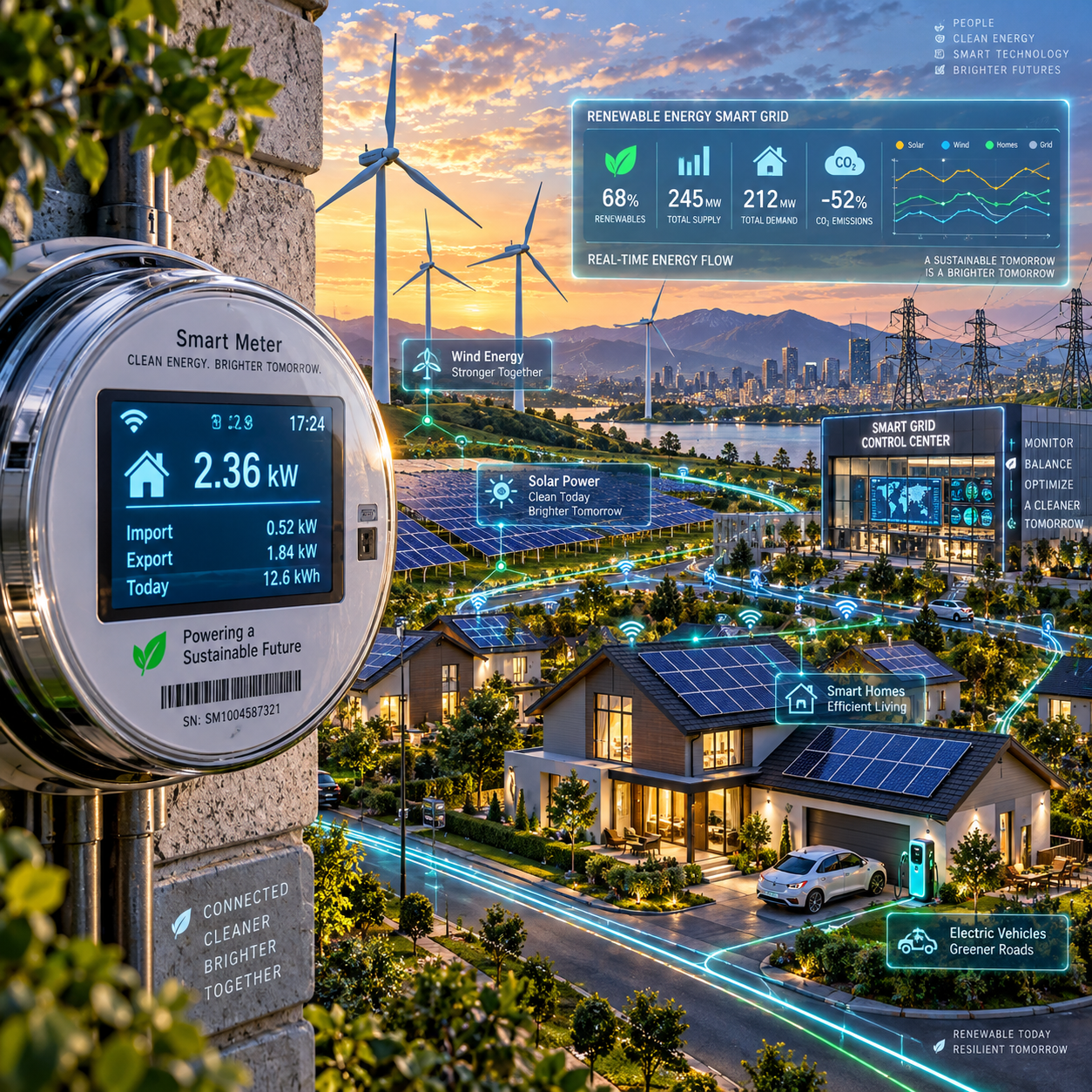
Smart meters are also a foundation for integrating renewable energy at home. If you have solar panels or a home battery, your meter can track both what you consume from the grid and what you export back to it — making it easier to optimize your setup and claim any applicable export payments.
Convenience and Simplified Energy Management
Beyond the data and savings, smart meters simply make managing your energy easier. Several everyday friction points disappear once a smart meter is installed.
No more manual meter readings. You don't need to locate your meter, read it, and submit figures to your supplier. The meter handles all of that automatically, which is particularly useful for meters in awkward locations — under stairs, in locked cupboards, or outside in poor weather.
Switching energy suppliers also becomes smoother. Your consumption history is already recorded digitally, so a new supplier can access accurate data from day one rather than relying on estimates during the transition period. This reduces the risk of billing errors when you move between providers.
Smart meters are also increasingly compatible with smart home ecosystems. Some platforms can pull in your energy data alongside other home automation controls, letting you set rules — for example, automatically running the dishwasher when electricity prices drop below a certain threshold. As home energy management systems mature, the smart meter becomes the data foundation everything else builds on.
Frequently Asked Questions
Do smart meters save money automatically, or do you have to change your habits?
Smart meters don't reduce bills on their own. The savings come from using the data they provide to change how and when you use energy. Households that actively engage with their consumption data — through the in-home display or a supplier app — tend to see the most meaningful reductions.
Are smart meters safe and secure to use in the home?
Yes. Smart meters communicate over a dedicated, encrypted network separate from the public internet. The data transmitted covers consumption figures only — not personal information beyond what your supplier already holds. Regulatory standards govern how that data can be used and shared.
Can a smart meter work with solar panels or home battery storage?
In most cases, yes. A smart meter can record both your import from the grid and your export back to it, which is essential for households generating their own electricity. Check with your supplier to confirm compatibility with your specific setup, as some older smart meter models have limitations.
What happens to your smart meter if you switch energy suppliers?
In most markets, your smart meter stays in place and continues to function when you switch suppliers. Older generation meters occasionally lose some smart functionality during a switch, though this has become less common as infrastructure has improved. Your new supplier should be able to communicate with the meter from the start.
Is a smart meter the same as a smart home energy monitor?
No. A smart meter is an official metering device installed by your energy supplier that records billable consumption and communicates with the grid. A smart home energy monitor is a separate, consumer-purchased device that clips onto your existing wiring to estimate usage. Smart meters provide more accurate data and are the basis for your actual bills; energy monitors are supplementary tools.