







The Environmental Impact of Smart Metering: Benefits, Challenges, and Opportunities

Smart metering can help households, businesses, and energy providers reduce energy waste and manage electricity more intelligently. Its environmental value, however, depends on what happens after data is collected: people must act on the information, utilities must use it for better electricity distribution, and manufacturers must manage the full product lifecycle responsibly.
A smart meter therefore has both an opportunity and an environmental cost. It uses electronics, communications networks, data systems, and physical resources, yet it can also support energy efficiency, demand response, renewable energy integration, and lower carbon emissions.
What Is Smart Metering and How Does It Work?
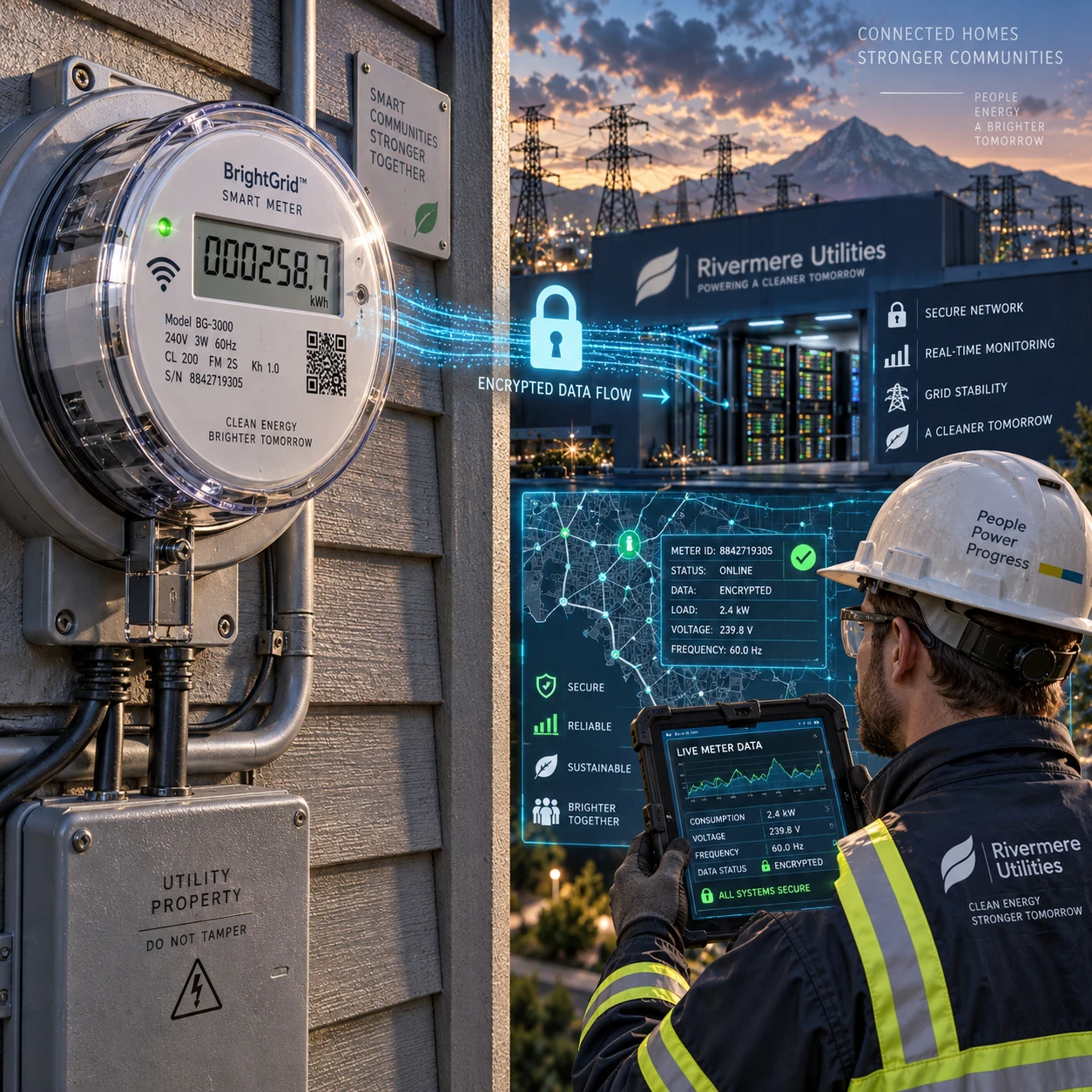
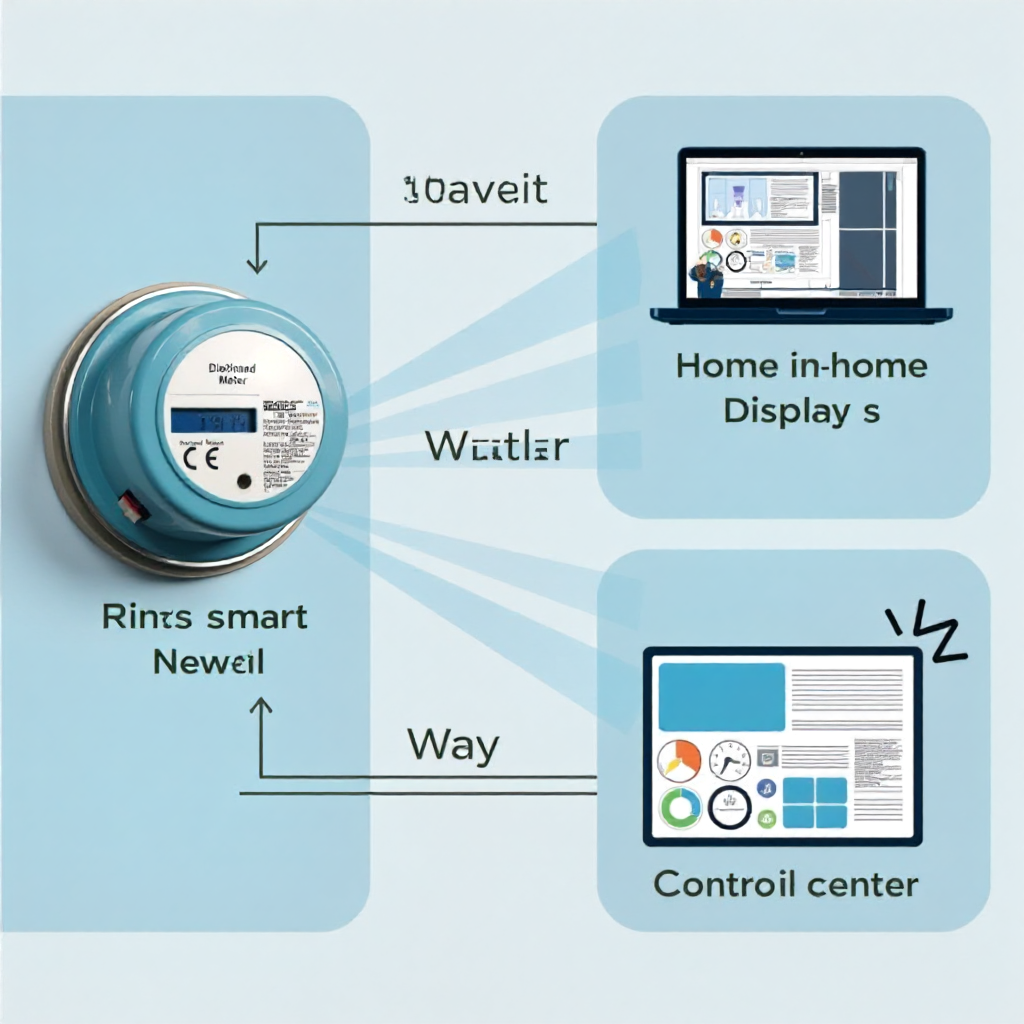
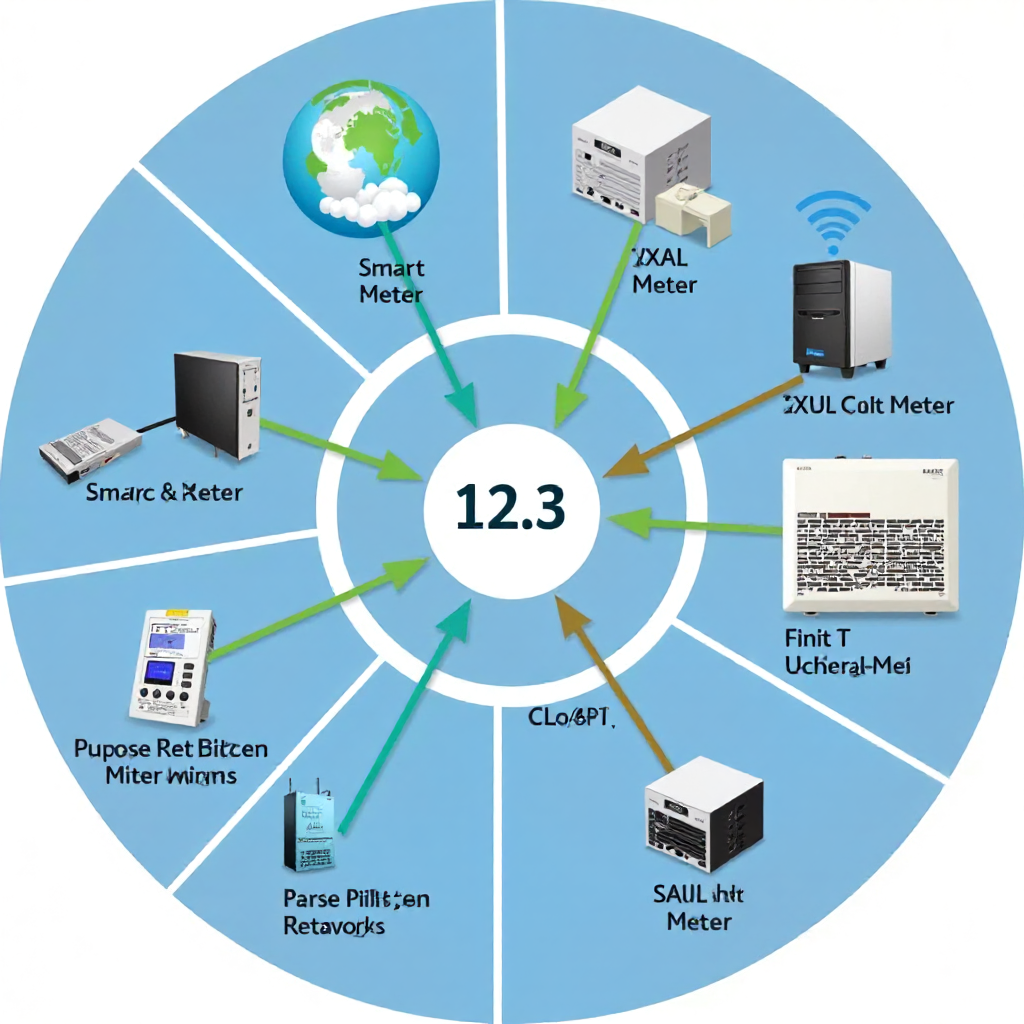
Smart metering is a system that measures energy consumption digitally and sends usage data automatically between a customer and an energy provider. Unlike a traditional meter, a smart meter can usually support two-way communication, allowing the wider smart grid to exchange information with homes and businesses.
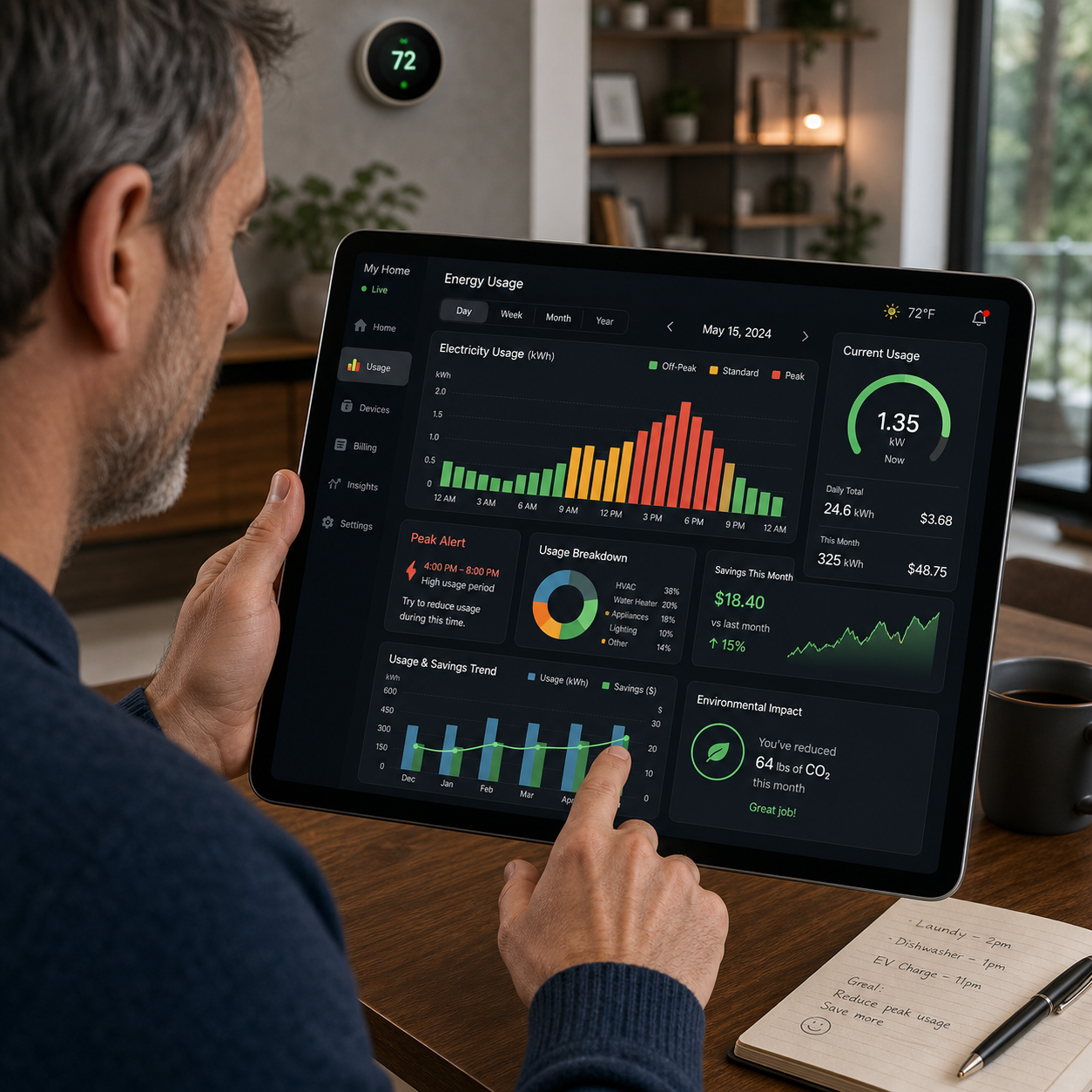
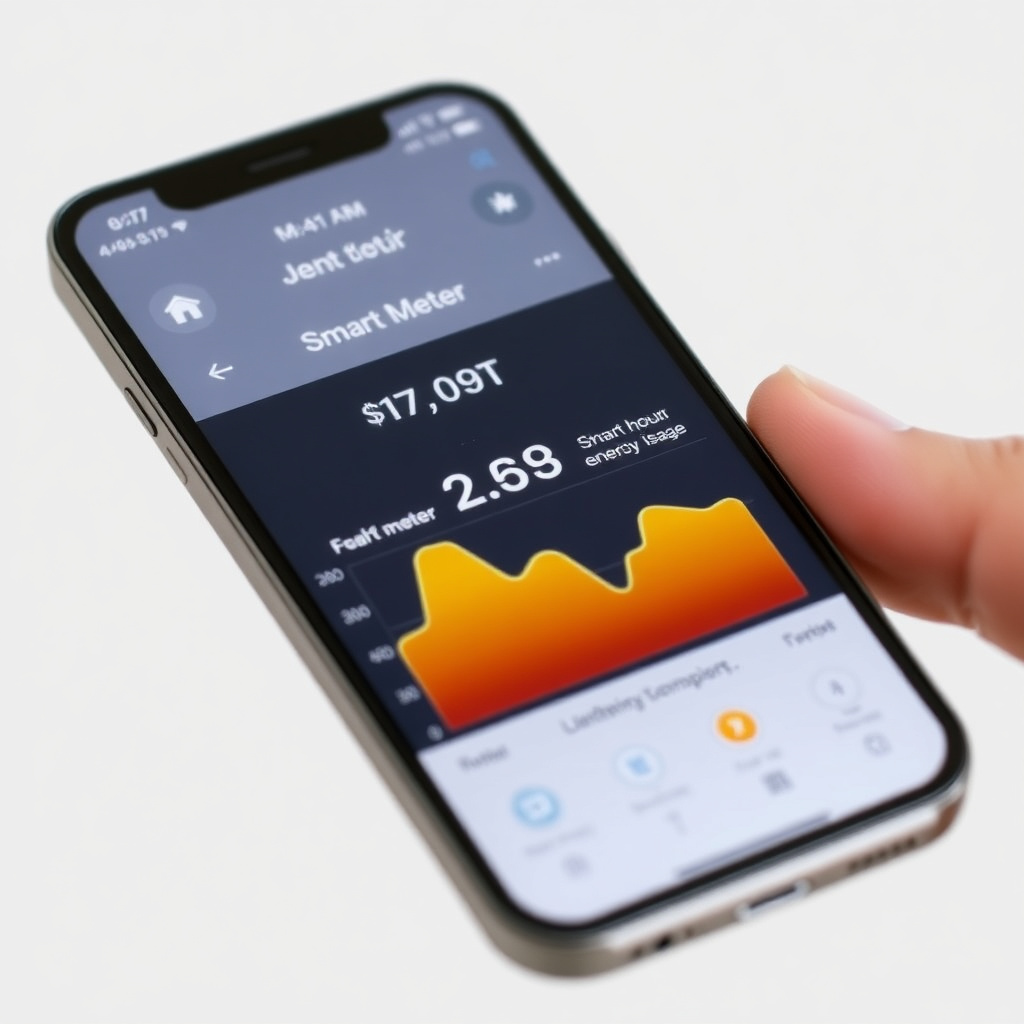
A smart meter records electricity use at regular intervals, although the exact frequency depends on the device, network, and local rules. It then transmits readings through a communications network to the energy supplier or distribution system operator. Customers may see this information through an in-home display, website, or mobile application.
The environmental importance lies in the connection between measurement and action. More timely data can reveal unusually high consumption, standby loads, inefficient equipment, and periods when electricity is especially carbon-intensive. Energy providers can also use aggregated information to forecast demand, identify faults, and operate the electricity distribution network more efficiently.
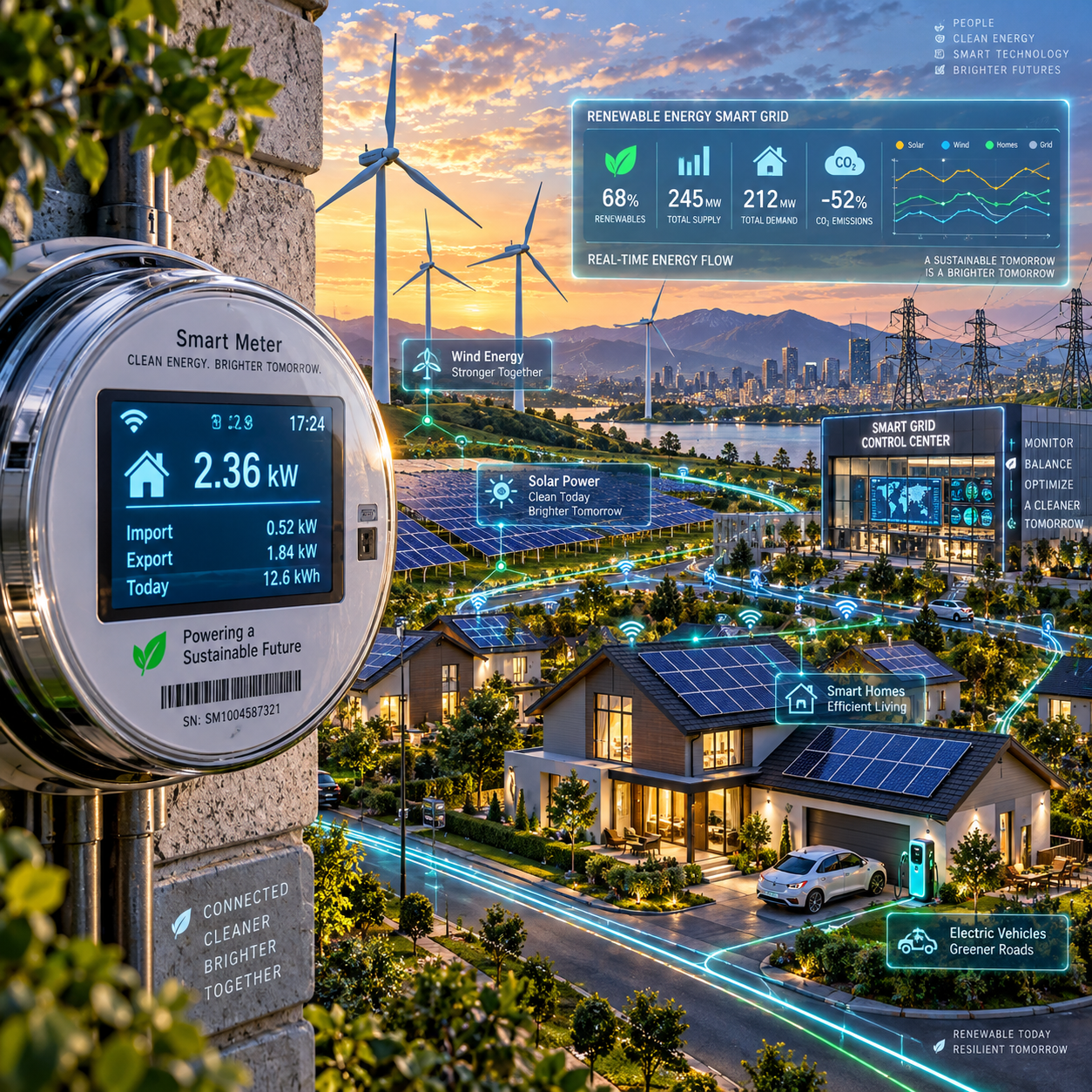
Smart metering is one component of a smart grid rather than a complete solution. The grid may also include automated substations, sensors, battery storage, electric vehicles, solar photovoltaic systems, and software that balances supply and demand. Without suitable tariffs, customer engagement, or clean generation, the meter’s environmental potential may remain largely unused.
How Smart Metering Can Benefit the Environment
Smart metering can benefit the environment by improving energy monitoring, reducing avoidable waste, supporting efficient electricity distribution, and helping lower carbon emissions. The results are strongest when usage data leads to specific changes in equipment, timing, or energy-management practices.
Traditional billing often provides a delayed view of energy consumption. Smart energy monitoring gives a clearer picture of how much electricity is used and when. A household might discover that electric heating, water heating, or an old refrigeration appliance creates a large share of its demand. A business could identify overnight equipment that remains powered when a building is empty.
Better information can reduce waste in several ways:
- Detecting sudden increases that may indicate faulty equipment or unusual consumption.
- Helping customers compare daily, weekly, or seasonal energy use.
- Supporting building controls that switch equipment off when it is not needed.
- Allowing utilities to identify network problems and restore service more efficiently.
- Improving demand forecasts so electricity providers can schedule resources more accurately.
Smarter forecasting may also reduce the need to run inefficient peaking generators during short periods of high demand. The potential reduction in carbon emissions varies by electricity mix, weather, customer behavior, and grid design. A smart meter does not remove emissions by itself; it creates information that can make lower-emission decisions possible.
There is also an indirect benefit. More accurate electricity distribution data can help utilities plan infrastructure, reduce technical losses, and connect new generation or electric vehicles with less congestion. These improvements can postpone some network upgrades, although the data systems and hardware required to deliver them also have an environmental footprint.
The Role of Smart Meters in Energy Efficiency
Smart meters support energy efficiency by showing when and how electricity is consumed, enabling customers and automated systems to reduce unnecessary use and shift flexible demand away from peak periods.
Energy efficiency means delivering the same service with less energy. A meter cannot make an inefficient appliance efficient, but it can make the waste visible. For example, a household may use an in-home display to notice that heating demand rises sharply when windows are open. A retailer may compare electricity use across stores and investigate why one location consumes more than similar sites.
The strongest results usually come from combining data with a practical intervention:
- Measure: establish a baseline for electricity consumption by time and activity.
- Diagnose: identify avoidable loads, inefficient equipment, or high-demand periods.
- Change: improve controls, replace equipment, adjust operating hours, or alter user behavior.
- Verify: compare later consumption with the baseline and check whether savings persist.
Smart meters can also enable demand response. During periods when electricity demand is high, customers may receive a price signal or automated request to reduce or postpone flexible consumption. Charging an electric vehicle later, heating water earlier, or running commercial refrigeration controls at a different time can reduce peak-time demand without eliminating the underlying service.
There are limits. People may ignore usage information, lack control over rented buildings, or be unable to shift essential loads. A demand-response program that relies on confusing messages or inconvenient schedules may produce little lasting benefit. Engagement, accessibility, and fair participation matter as much as the meter’s technical capability.
Supporting Renewable Energy and a Flexible Grid
Smart meters support renewable energy integration by helping the grid match flexible electricity demand with variable generation from sources such as wind and solar power.
Renewable generation changes with weather and daylight. Solar output usually peaks around midday, while household demand may rise later in the afternoon and evening. Smart-meter data helps energy providers understand these patterns and design tariffs, controls, and demand-response programs that encourage consumption when cleaner electricity is available.
A home with solar panels, a battery, and an electric vehicle can use metering information to coordinate these assets. The household may charge the vehicle during periods of high solar output, store surplus electricity in a battery, and draw less power from the grid during an evening peak. At a larger scale, thousands of similar devices can form a flexible demand resource.
Smart metering also supports distributed energy resources, including rooftop solar, community batteries, heat pumps, and managed electric-vehicle charging. Accurate data helps distribution network operators understand local flows and identify where voltage, capacity, or congestion problems may occur.
Flexibility is the key connection. Renewable energy becomes easier to integrate when electricity demand can respond to supply conditions. Still, flexibility programs need consumer consent, reliable automation, and safeguards against shifting demand to another high-carbon period. A tariff that encourages overnight consumption may be beneficial in one grid and less beneficial in another, depending on the generation mix.

Environmental Costs and Potential Drawbacks
Smart metering has environmental costs from raw materials, manufacturing, transportation, installation, communications infrastructure, maintenance, and end-of-life electronic waste. These impacts must be assessed across the meter’s complete lifecycle.
Smart meters contain circuit boards, displays, sensors, wiring, plastics, metals, and other components. Extracting and processing these materials requires energy and can create mining impacts, industrial emissions, and waste. Manufacturing also consumes electricity and water, while transporting devices adds further emissions.
Operation requires a communications network and data infrastructure. Each individual meter may use modest power, but national deployments involve millions of devices, network equipment, servers, software systems, and maintenance visits. The environmental balance depends partly on how efficiently that infrastructure operates and how much useful energy-saving activity it enables.
Installation and replacement create additional impacts. Vehicles, tools, packaging, and technician travel contribute to the project footprint. Replacing functioning meters prematurely can increase material use, especially if new devices offer limited environmental improvement over existing equipment.
End-of-life management is another concern. A smart meter is electronic waste and should not be placed in ordinary household rubbish. If devices are collected through approved channels, valuable metals and components may be recovered and hazardous substances managed appropriately. If collection is weak, recycling rates fall and reusable materials are lost.
The central question is not whether smart meters have an environmental footprint. They do. The practical question is whether the emissions and resources used across that footprint are outweighed by verified reductions in energy waste, peak demand, network losses, and fossil-fuel generation.
How to Maximize the Environmental Benefits of Smart Metering
To maximize smart metering’s environmental benefits, connect accurate measurement with energy-saving action, extend device life, improve recycling, and design data systems around measurable outcomes.
Energy providers and manufacturers can focus on durable hardware, repairable components, recyclable materials, efficient communications, and software updates that extend service life. Procurement policies should evaluate lifecycle emissions rather than choosing devices only on purchase price or short-term functionality.
Utilities can improve results by:
- Providing clear feedback that links energy use to practical actions.
- Offering demand-response programs that are simple, voluntary, and accessible.
- Publishing evidence on measured energy savings rather than relying on theoretical potential.
- Using aggregated data to improve outage management, network planning, and renewable integration.
- Collecting retired meters through certified electronic-waste recycling channels.
Consumers can make the data useful by checking usage patterns, investigating unexpected increases, and targeting changes with a clear baseline. Useful actions may include improving insulation, adjusting heating schedules, replacing inefficient appliances, or shifting electric-vehicle charging to cleaner and less congested periods.
Policy also matters. Smart metering delivers more environmental value when it forms part of a broader program involving building efficiency, clean electricity, consumer education, flexible tariffs, and responsible product stewardship. A rollout that measures consumption but provides no route to reduce it will achieve less than one connected to practical support.
Authoritative guidance on energy efficiency and grid modernization can be found through the U.S. Department of Energy, while electronic-waste principles and recycling responsibilities vary by jurisdiction.
Is Smart Metering Environmentally Sustainable?
Smart metering can be environmentally sustainable when the energy, emissions, and materials used across its lifecycle are outweighed by measurable improvements in energy efficiency, demand management, renewable integration, and electricity distribution.
The answer is therefore conditional rather than automatic. A smart meter installed in a home that receives useful feedback, reduces waste, and participates in flexible consumption can create meaningful environmental value. A device that is installed, rarely used, replaced early, and poorly recycled offers a weaker return.
A practical assessment can use four questions:
- Measurement: Does the system provide accurate, timely, useful energy information?
- Action: Can households, businesses, or automated controls respond to that information?
- Grid value: Does it improve demand response, renewable energy integration, or electricity distribution?
- Lifecycle: Are manufacturing, maintenance, longevity, data infrastructure, and electronic waste managed responsibly?
When the answer to all four is yes, smart metering can become an important enabling technology for a lower-carbon energy system. It should be judged by verified outcomes, not by installation numbers alone.
Frequently Asked Questions
Do smart meters reduce carbon emissions?
Smart meters can help reduce carbon emissions by revealing energy waste, supporting demand response, improving grid operation, and enabling cleaner electricity use. They do not reduce emissions automatically; results depend on customer action, energy programs, and the local electricity mix.
How do smart meters help save energy?
They provide timely energy monitoring that can reveal high-consumption appliances, inefficient routines, and peak-demand periods. Customers and businesses can then reduce unnecessary use, improve equipment, or shift flexible activities to more suitable times.
Are smart meters environmentally friendly to manufacture?
Manufacturing smart meters requires metals, plastics, electronic components, energy, and transport, so production has an environmental footprint. Responsible sourcing, durable design, efficient production, and long service life can reduce that impact.
What happens to smart meters at the end of their useful life?
Retired smart meters should be collected and processed as electronic waste through approved recycling systems. Components and materials may be recovered, while any hazardous substances should be handled under applicable waste regulations.
Can smart meters support renewable energy?
Yes. Smart meters provide data that helps coordinate solar power, wind generation, batteries, heat pumps, and electric vehicles. They support renewable energy integration most effectively when combined with flexible demand, storage, automation, and well-designed grid programs.